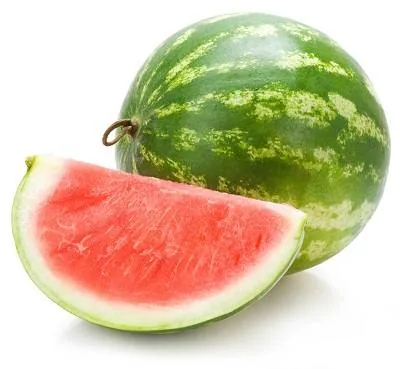
Watermelon (Citrullus lanatus) is frequently mischaracterized as merely a refreshing, sugary summer indulgence; however, contemporary nutritional biochemistry reveals a complex functional powerhouse loaded with bioactive non-protein amino acids, carotenoids, and cellular osmolytes. Composed of approximately 91% to 92% intracellular water, watermelon delivers a unique matrix of phytochemicals dominated by L-citrulline—a potent endogenous precursor to nitric oxide that bypasses hepatic first-pass extraction—and lycopene, an acyclic hydrocarbon carotenoid possessing premier singlet oxygen-quenching capacity. Furthermore, its balanced electrolytic profile featuring potassium and magnesium combined with natural mono- and disaccharides creates an optimal hypotonic fluid transport system across the intestinal epithelium. From mitigating exercise-induced delayed-onset muscle soreness to driving endothelial microvascular vasodilation and down-regulating lipid peroxidation, consuming fresh watermelon or its unpasteurized juice delivers 7 rigorous, clinically validated health benefits: L-citrulline-driven endothelial nitric oxide synthesis to optimize blood pressure and systemic vascular resistance, high-potency bioavailable lycopene to shield cardiovascular membranes and extinguish low-density lipoprotein oxidation, accelerated lactate clearance and muscle oxygenation to curtail delayed-onset muscle soreness, hypotonic cellular hydration kinetics that facilitate accelerated intestinal fluid absorption, potassium-rich renal fluid flux to promote metabolic waste excretion and urate clearance, microvascular pelvic perfusion that supports physiological endothelial erectile function, and synergistic vitamin C and carotenoid deposition to fortify dermal collagen against ultraviolet photoaging.
Quick Nutrition Science & Key Takeaways
- L-Citrulline Bioavailability Advantage: Unlike oral L-arginine, which suffers massive intestinal and hepatic degradation via arginase, oral L-citrulline is readily absorbed and directly converted to L-arginine in the renal parenchyma, driving sustained endothelial nitric oxide (NO) generation.
- Superior Carotenoid Density: Ripe red watermelon contains up to 40% more bioavailable lycopene per unit fresh weight than raw tomatoes, serving as an exceptional lipid-soluble scavenger of singlet oxygen species.
- Hypotonic Fluid Transport: Watermelon’s 92% fluid volume combined with low-density carbohydrates (6–8 g/100 g) and intracellular potassium promotes accelerated gastric emptying and rapid fluid uptake via duodenal sodium-glucose cotransporters.
Phytochemical Pharmacology of Watermelon: L-Citrulline Dynamics, Lycopene Bioavailability, and Osmotic Balance
The therapeutic virtues of watermelon reside in its specialized secondary metabolites. Foremost among these is L-citrulline, an alpha-amino acid named directly after Citrullus. When humans ingest dietary L-arginine to stimulate cardiovascular vasodilation, extensive first-pass metabolism by intestinal bacteria and hepatic arginases destroys up to 60% of the ingested dose before it reaches systemic circulation. In stark contrast, L-citrulline escapes gastrointestinal extraction and passes unobstructed to the kidneys.
Within the proximal tubules of the renal cortex, the enzymes argininosuccinate synthetase and argininosuccinate lyase convert circulating L-citrulline directly into endogenous L-arginine. This newly synthesized L-arginine then serves as the indispensable substrate for endothelial nitric oxide synthase (eNOS) across the vascular tree. eNOS catalyzes the oxidation of L-arginine to produce nitric oxide (NO), a soluble gas that diffuses into adjoining vascular smooth muscle cells. NO stimulates soluble guanylyl cyclase (sGC), accelerating the conversion of GTP to cyclic guanosine monophosphate (cGMP). Elevated intracellular cGMP activates protein kinase G (PKG), which dephosphorylates myosin light chains and drives intracellular calcium sequestration, culminating in arterial vasodilation and a precipitous decline in systemic vascular resistance.
Concurrently, the crimson hue of watermelon flesh is driven by extraordinary concentrations of lycopene (ranging between 4,500 and 6,500 μg per 100 g of fresh red flesh). As detailed in comprehensive biochemical reviews from the National Institutes of Health (NIH) on watermelon pharmacological profiles and vascular physiology, lycopene possesses an open polyene chain featuring 11 conjugated double bonds. This molecular geometry allows lycopene to quench singlet oxygen species twice as effectively as beta-carotene and ten times more efficiently than alpha-tocopherol (vitamin E). Integrating these nutritional benefits alongside our clinical review on evidence-based home strategies for high blood pressure and cardiovascular insights from health benefits of tomatoes and lycopene establishes comprehensive metabolic defense.
“L-citrulline derived from watermelon represents the most biologically efficient oral vehicle for elevating systemic L-arginine concentrations, completely circumventing hepatic arginase destruction to fuel vascular nitric oxide synthesis.”
7 Science-Backed Health Benefits of Watermelon
Modern clinical trials and nutritional investigations have confirmed that regular dietary inclusion of whole watermelon and functional watermelon extracts yields measurable physiological benefits across multiple organ systems. The following 7 mechanisms represent the most robust, evidence-supported health advantages:
1. L-Citrulline Endothelial Vasodilation & Blood Pressure Optimization
Hypertension is underpinned by progressive endothelial dysfunction, reduced bioavailability of endogenous nitric oxide (NO), and elevated systemic vascular resistance. Watermelon is nature’s richest known dietary reservoir of L-citrulline, providing approximately 1.5 to 3.0 mg of citrulline per gram of fresh red flesh, with even denser concentrations occurring in the white peripheral rind.
Randomized, placebo-controlled crossover trials in human cohorts suffering from prehypertension and mild stage-1 hypertension demonstrate that oral supplementation with whole watermelon extract significantly decreases resting brachial systolic and diastolic blood pressure, aortic systolic pressure, and carotid augmentation index (a key biomarker of central arterial stiffness). By fueling eNOS within aortic and brachial endothelial cells, watermelon-derived L-citrulline up-regulates cyclic GMP-mediated vascular smooth muscle relaxation, restoring microvascular compliance and dampening cardiac afterload without eliciting the reflex tachycardia often observed with synthetic vasodilators.
2. High-Concentration Lycopene & Cardiovascular Cellular Defense
While tomatoes are historically renowned as the classical source of dietary lycopene, mature red watermelon frequently surpasses raw tomatoes in lycopene density by 30% to 40%. More importantly, the lycopene found in ripe watermelon exists primarily in a cis-isomeric configuration that demonstrates superior intestinal micellar incorporation and human bioavailability without requiring intense industrial thermal processing.
Upon absorption, lycopene is incorporated into circulating low-density lipoprotein (LDL) particles and cell membranes. Here, it intercalates into phospholipid bilayers, where its conjugated polyene backbone neutralizes lipid peroxyl radicals (LOO•) and quenches singlet oxygen before they can ignite oxidative chain reactions. Clinical research demonstrates that high circulating plasma lycopene is strongly correlated with reduced intima-media thickness of the carotid artery, decreased oxidative modification of LDL particles, and significant down-regulation of vascular cell adhesion molecule-1 (VCAM-1) and intercellular adhesion molecule-1 (ICAM-1), fundamentally arresting the initiation of atheromatous plaques.
3. Delayed-Onset Muscle Soreness (DOMS) Attenuation & Lactate Clearance
High-intensity athletic training, eccentric muscular contractions, and strenuous resistance protocols cause ultrastructural micro-damage across skeletal muscle sarcomeres, sparking delayed-onset muscle soreness (DOMS), intracellular calcium leakage, and sustained muscular fatigue. Watermelon juice has emerged as a premier natural ergogenic recovery aid among sports scientists.
In double-blind clinical trials involving competitive athletes, consuming 500 mL of natural unpasteurized watermelon juice (yielding approximately 1.17 g of native L-citrulline) prior to intense physical exercise produced significant reductions in muscle soreness evaluated 24 hours post-workout. Mechanistically, L-citrulline acts as an indispensable intermediate in the hepatic urea cycle, stimulating the enzyme ornithine carbamoyltransferase to accelerate the detoxification of exercise-induced hyperammonemia. Concurrently, enhanced nitric oxide production accelerates muscle capillary perfusion, expediting the wash-out of lactic acid, attenuating oxidative stress in skeletal myocytes, and facilitating rapid replenishment of intracellular phosphocreatine reserves. For deeper recovery protocols, review our clinical guide on evidence-based management of delayed-onset muscle soreness.
4. Cellular Hydration Kinetics & Hypotonic Electrolyte Balance
Proper systemic hydration involves more than the passive consumption of plain tap water; optimal fluid retention requires adequate intracellular osmolyte transport and balanced sodium-potassium kinetics. Consisting of 92% pure structured water held within plant cellular vacuoles, watermelon delivers an exceptionally hydrating botanical matrix.
The natural fluid of watermelon carries an ideal mild hypotonicity, containing approximately 6 to 8 grams of natural simple carbohydrates (fructose, glucose, and sucrose) and roughly 112 mg of potassium per 100 grams. When this solution reaches the lumen of the small intestine, glucose and sodium act synergistically to activate sodium-glucose cotransporter 1 (SGLT1) on enterocyte apical brush borders. This active transport creates an immediate osmotic gradient across the intestinal epithelium that pulls water molecules rapidly into mesenteric circulation via passive solvent drag, rehydrating plasma volume far more efficiently than plain water while preventing the cellular hyponatremia that can follow heavy sweat loss.
5. Renal Waste Excretion & Urate Solubilization
The renal handling of nitrogenous metabolic wastes and lithogenic mineral crystals is directly influenced by systemic fluid turnover and urinary electrolyte ratios. Watermelon acts as a gentle, natural non-pharmacological diuretic and renal cleanser.
Because watermelon combines an extraordinarily high fluid content with a high potassium-to-sodium ratio (approx. 112:1), it prompts mild physiological diuresis without washing away essential intracellular cations. The massive influx of structured fluid increases renal glomerular filtration rate (GFR), flushing renal tubules and diluting lithogenic minerals like calcium oxalate and uric acid. By expanding urinary output and mildly alkalinizing urine pH through its metabolically alkaline organic acids (malate and citrate), watermelon reduces the crystallization propensity of uric acid, substantially reducing the formation of agonizing nephrolithiasis (kidney stones).
6. Microvascular Penile Perfusion & Endothelial Erectile Support
Penile erectile function is fundamentally a neurovascular event that relies upon intact endothelial nitric oxide synthesis within the cavernous spaces of the penis. When sexual arousal occurs, parasympathetic non-adrenergic non-cholinergic (NANC) nerves and endothelial cells release nitric oxide into the corpus cavernosum.
Clinical investigations have revealed that oral L-citrulline supplementation serves as an effective, safe functional aid for individuals experiencing mild-to-moderate arteriogenic erectile dysfunction. As indexed in peer-reviewed urological literature via the National Library of Medicine (PubMed) on oral L-citrulline in erectile dysfunction, elevating circulating L-arginine via dietary citrulline amplifies eNOS catalytic activity inside penile sinusoidal cavernosal endothelial beds. The resulting surge in cGMP induces profound relaxation of the cavernosal trabecular smooth muscle, facilitating unobstructed arterial inflow, sinusoidal engorgement, and mechanical compression of subtunical venules to sustain penile rigidity.
7. Dermal Photoprotection & Extracellular Matrix Collagen Integrity
Cutaneous aging and solar photo-damage are driven by ultraviolet (UV) radiation-induced generation of reactive oxygen species within the dermis, which degrades structural collagen fibers and activates matrix metalloproteinases (MMPs). Watermelon delivers a synergistic dual antioxidant network comprising water-soluble ascorbic acid (vitamin C) and lipophilic carotenoids (lycopene and beta-carotene).
Ascorbic acid is an essential enzymatic cofactor for prolyl 4-hydroxylase and lysyl hydroxylase, two enzymes required for the post-translational hydroxylation of proline and lysine residues in procollagen peptide chains. This hydroxylation is mandatory for collagen fibrils to fold into stable, triple-helical quaternary structures that confer tensile strength to the dermis. Concurrently, orally ingested lycopene selectively deposits into cutaneous lipid compartments, forming an endogenous photochemical shield that absorbs UV photon energy, prevents solar erythema, and protects dermal fibroblasts from apoptotic senescence.
Nutritional & Pharmacological Matrix of Watermelon Bioactives
| Bioactive Constituent | Molecular Target & Biochemical Pathway | Biological Biomarker Impact | Dietary Synergy & Bioavailability Tip |
|---|---|---|---|
| 1. L-Citrulline (1.5–3.0 mg/g) | Renal argininosuccinate synthetase; substrate for eNOS; elevates sGC & intracellular cGMP. | Decreases systolic/diastolic BP; reduces arterial stiffness & aortic augmentation index. | Highest concentration resides in the white inner rind; blend peripheral rind directly into smoothies. |
| 2. Lycopene (4.5–6.5 mg/100g) | Acyclic C40 carotenoid; singlet oxygen quenching; down-regulates VCAM-1 and ICAM-1. | Inhibits LDL lipid peroxidation; reduces carotid intima-media thickness progression. | Lipophilic molecule: consume alongside a source of healthy fat (e.g., walnuts or avocado) to double micellization. |
| 3. Urea Cycle Intermediates | Ornithine carbamoyltransferase activation; accelerated ammonia-to-urea conversion. | Reduces 24-hour post-exercise DOMS ratings; accelerates post-workout blood lactate clearance. | Drink 500 mL fresh, unpasteurized watermelon juice 60 minutes prior to eccentric resistance training. |
| 4. Structured Vacuolar Water (92%) | Mild hypotonicity; activates SGLT1 glucose-sodium cotransport in enterocytes. | Accelerates duodenal fluid absorption; preserves plasma volume without dilutional hyponatremia. | Ideal post-exertional rehydration fluid during hot, humid environmental exposure. |
| 5. Potassium (112 mg/100g) | High potassium-to-sodium ratio (112:1); drives osmotic GFR expansion; urinary alkalization. | Dilutes urinary calcium oxalate; enhances uric acid solubilization; reduces stone risk. | Eat whole slices rather than strained juice to preserve soluble fiber and prolong gastric transit. |
| 6. Endothelial eNOS Catalysts | Stimulates cavernosal endothelial nitric oxide release; relaxes sinusoidal trabecular smooth muscle. | Improves penile cavernosal arterial inflow velocity and erection hardness score. | Acts upstream of PDE5 enzymes; safe to consume as regular dietary background therapy. |
| 7. Ascorbic Acid & Beta-Carotene | Prolyl and lysyl hydroxylase cofactors; dermal deposition absorbs UV photon radiation. | Preserves extracellular matrix collagen cross-linking; attenuates UV erythema reaction. | Synergizes with dietary zinc and vitamin E for amplified cutaneous tissue repair. |
Debunking Dietary Myths, Glycemic Realities & Critical Health Redlines
Despite its stellar nutrient profile, watermelon is frequently entangled with misunderstandings regarding blood sugar spikes, digestive reactions, and metabolic contraindications:
- The Glycemic Index vs. Glycemic Load Fallacy: Critics frequently point out that watermelon carries a high Glycemic Index (GI ≈ 72–80), falsely assuming it causes explosive blood glucose spikes. However, Glycemic Index only measures carbohydrate quality in isolation. Because fresh watermelon is 92% water and contains only 6 grams of carbohydrates per 100 grams, its Glycemic Load (GL) is exceptionally low (approximately 4 to 5 for an ordinary 120-gram serving). A low GL (≤ 10) exerts negligible impact on postprandial insulin surges in metabolically stable individuals.
- High FODMAP Fructose Malabsorption: Watermelon contains higher concentrations of free fructose relative to glucose, classifying it as a high-FODMAP food. Individuals suffering from Irritable Bowel Syndrome (IBS) or small intestinal bacterial overgrowth (SIBO) may experience rapid colonic microbial fermentation of unabsorbed fructose, leading to bloating, flatulence, and osmotic diarrhea if consumed in excessive portions. Moderating intake to 150 grams per sitting prevents gastrointestinal distress.
- Critical Hyperkalemia Redline in Advanced Chronic Kidney Disease (CKD): For patients with Stage 4 or Stage 5 chronic kidney disease on hemodialysis or receiving potassium-sparing medications (such as ACE inhibitors or spironolactone), impaired renal tubular potassium excretion makes watermelon a potential hazard. Ingesting massive quantities (e.g., a whole large melon delivering > 2,000 mg of potassium in hours) can trigger life-threatening hyperkalemia, cardiac conduction abnormalities, and ventricular arrhythmias.
- Harmless Lycopenemia: Extremely heavy, chronic consumption of watermelon can cause lycopenemia—a benign, reversible orange-red discoloration of the stratum corneum (most visible on the palms and soles) that resolves naturally upon moderating intake and carries zero systemic toxicity.
Disclaimer: This article is for informational purposes only and is not intended as medical advice. Always consult with a qualified healthcare professional before making changes to your health regimen.
Frequently Asked Questions (FAQ)
Does watermelon cause dangerous blood sugar spikes in people with diabetes?
No, not when consumed in normal dietary portions. While watermelon has a high Glycemic Index (GI 72–80), its high water content means an ordinary 120-gram serving contains only 6 to 8 grams of available carbohydrates, resulting in an exceptionally low Glycemic Load (GL ≈ 5). Foods with a Glycemic Load below 10 produce minimal postprandial glycemic excursions; however, individuals managing diabetes should consume whole slices rather than strained juice and pair it with protein or healthy fats.
Which part of the watermelon contains the highest concentration of L-citrulline?
The highest concentrations of L-citrulline are found in the white and pale-green inner rind and the peripheral rind-adjacent flesh, containing approximately 20% to 30% more citrulline per gram than the central red pulp. To maximize citrulline intake for athletic recovery or vascular health, wash the outer rind thoroughly and blend the white rind directly into smoothies or juices.
Can watermelon realistically serve as a natural replacement for erectile dysfunction medication?
Watermelon supports the same biochemical pathway as prescription PDE5 inhibitors, but through a different mechanism. Watermelon’s L-citrulline elevates nitric oxide synthesis to generate cyclic GMP, whereas medications like sildenafil block the phosphodiesterase-5 enzyme to prevent cyclic GMP breakdown. Watermelon provides mild, natural vascular support for mild endothelial dysfunction, but it does not produce the potent, acute pharmacological response of prescription drugs.
How much watermelon should I eat to experience measurable workout recovery benefits?
Clinical trials documenting significant reductions in delayed-onset muscle soreness utilized 500 mL of pure, unpasteurized watermelon juice (or roughly 300 to 400 grams of fresh flesh), consumed approximately 60 minutes before training. This delivers between 1.0 and 1.5 grams of bioactive L-citrulline, which accelerates ammonia clearance and sustains microvascular perfusion during athletic exertion.