







You hit the gym hard, felt great, and woke up two days later barely able to walk down the stairs. Welcome to Delayed Onset Muscle Soreness (DOMS). While it is a natural part of muscle growth and adaptation, the stiffness and pain can severely disrupt your daily life and training schedule. Here is what modern science says about finding true relief.
Core Summary (Key Takeaways)
- It is not lactic acid: DOMS is caused by microscopic tears in your muscle fibers during eccentric (lengthening) exercises, triggering an inflammatory repair response.
- Active recovery beats absolute rest: Light movement (like walking or cycling) increases blood flow and nutrient delivery to damaged tissues, speeding up recovery far better than staying completely still.
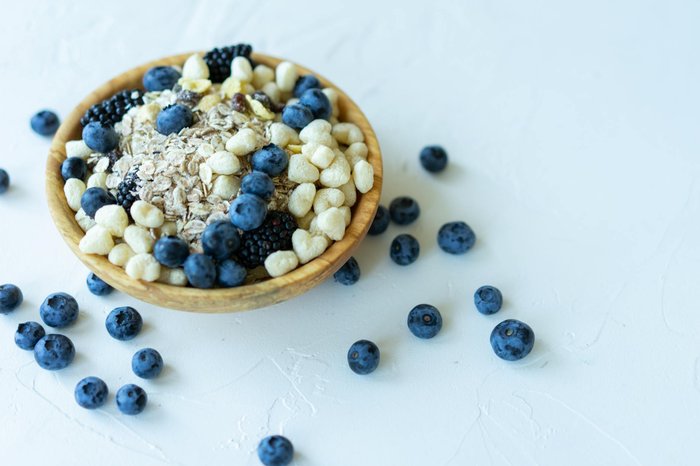
- Targeted nutrition helps: Natural anti-inflammatories like ginger, along with adequate protein and hydration, can significantly reduce the severity of the soreness.

Science-Backed Methods to Treat DOMS
While there is no magic pill to instantly cure delayed onset muscle soreness (which typically peaks 24 to 72 hours post-workout), several evidence-based strategies can drastically ease your discomfort. Below is a quick comparison of the most popular recovery methods:
| Recovery Method | Effectiveness Rating | Best Time to Apply | How It Works |
|---|---|---|---|
| Sports Massage | ⭐⭐⭐⭐⭐ (High) | 24-48 hours post-workout | Increases blood flow and breaks up tissue adhesions. |
| Active Recovery | ⭐⭐⭐⭐⭐ (High) | Next day | Flushes metabolic waste without further tearing fibers. |
| Heat Therapy | ⭐⭐⭐⭐ (Moderate-High) | 48+ hours post-workout | Vasodilation brings oxygen-rich blood to micro-tears. |
| NSAIDs (e.g., Ibuprofen) | ⭐⭐ (Low for long-term) | Only for acute, unbearable pain | Masks pain but may temporarily blunt the muscle-building signal. |
1. Massage Therapy and Foam Rolling
As shown in the table above, massage is one of the most effective ways to soothe sore muscles. According to research highlighted by the American College of Sports Medicine (ACSM), a 10 to 20-minute sports massage post-exercise can alleviate DOMS severity by up to 30%. If a professional massage isn’t an option, self-myofascial release using a foam roller can help break up tissue adhesions and improve local blood circulation.
2. Incorporate Ginger (Natural Anti-inflammatory)
Diet plays a massive role in recovery. A notable 2010 study demonstrated that adults who consumed ginger daily experienced significantly less muscle pain after performing heavy resistance training. Ginger contains potent compounds called gingerols, which act as natural COX-2 inhibitors, reducing the inflammation that causes the sensation of soreness.
3. Heat Therapy (Thermocare)
While ice is great for acute injuries (like a sprained ankle), heat is generally superior for treating DOMS. Applying a warm compress, taking a hot bath, or sitting in a sauna helps to dilate blood vessels. This vasodilation flushes out metabolic waste and brings oxygen-rich blood to the micro-tears, accelerating the cellular repair process.
4. Vitamin C and Antioxidants
Intense exercise causes oxidative stress. Studies suggest that supplementing with Vitamin C (around 3g daily during heavy training periods) may help reduce the perception of muscle pain without hindering the muscle’s functional recovery. You can also get a massive antioxidant boost by consuming tart cherry juice, which has been widely proven to reduce post-workout muscle breakdown.
Disclaimer: This article is for informational purposes only and is not intended to replace professional medical advice. If your muscle pain is sharp, acute, or your urine turns dark (a sign of rhabdomyolysis), seek immediate medical attention.
Frequently Asked Questions (FAQ)
Is it safe to work out while I still have DOMS?
Yes, but you should lower the intensity. Active recovery (like light cardio, yoga, or swimming) is actually beneficial. However, you should avoid heavy resistance training on the specific muscle groups that are severely sore until they have fully recovered to prevent injury.
Does stretching prevent DOMS?
Surprisingly, no. Extensive systematic reviews have shown that static stretching before or after a workout does not significantly prevent or reduce the onset of DOMS. Proper warm-ups and gradual progression in weight lifting are much more effective preventative measures.
How long does DOMS usually last?
DOMS typically begins 12 to 24 hours after a strenuous workout, peaks between 24 and 72 hours, and should completely subside within 3 to 5 days. If the pain persists beyond a week, it may be an injury rather than DOMS.