





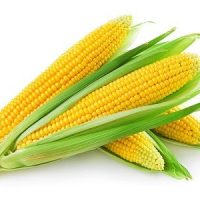
Whole-grain corn (Zea mays)—frequently misclassified merely as a starchy vegetable—is a nutrient-dense whole grain containing a unique, specialized matrix of insoluble dietary fibers, carotenoid macular pigments, and bound hydroxycinnamic polyphenols. While refined corn sweeteners and ultra-processed starches contribute to metabolic dysfunction, intact whole-kernel corn delivers concentrated concentrations of lutein, zeaxanthin, resistant starch, and ferulic acid. Crucially, nutritional biochemistry reveals that thermal processing (such as steaming, boiling, or baking) actually liberates insoluble bound ferulic acid from cell-wall arabinoxylan complexes, dramatically multiplying its antioxidant bioavailability compared to raw kernels. Peer-reviewed metabolic and epidemiological data confirm that regular consumption of intact whole corn supports colonic mucosal integrity, filters retinal blue light to shield against age-related macular degeneration (AMD), modulates postprandial insulin sensitivity via resistant starch fermentation, and supplies essential folate for embryonic neurodevelopment. The 6 clinically verified health benefits of corn encompass thermal ferulic acid liberation and free-radical quenching, macular carotenoid filtration against retinal degeneration, colonic mechanical motility and resistant starch prebiotic fuel, gestational neurodevelopmental defense via natural folate, phytosterol and linoleic acid cardiovascular modulation, and dermal barrier support via topical and dietary fatty acids.
Quick Nutrition Science & Key Takeaways
- Thermal Phenolic Liberation: Unlike most vegetables where cooking degrades micronutrients, boiling or steaming sweet corn breaks ester bonds to release bound ferulic acid, elevating total free antioxidant activity by up to 44%.
- Macular Carotenoid Density: Golden sweet corn is an outstanding dietary reservoir of lutein and zeaxanthin, which deposit directly into the ocular macula to filter high-energy blue-violet light.
- Intact Pericarp & Resistant Starch: Intact whole corn kernels supply non-digestible cellulose pericarp hulls paired with resistant starch that feeds butyrate-producing commensal bacteria in the distal colon.

The Whole Grain Matrix: Dissecting Intact Zea mays vs. Refined Corn Derivatives
To accurately appreciate the clinical pharmacology of corn, one must establish an uncompromising divide between intact whole corn kernels and ultra-processed corn derivatives. Industrial high-fructose corn syrup (HFCS) and refined cornstarch are stripped of germ, bran, fiber, and polyphenols, leaving behind high-glycemic carbohydrates that strain hepatic metabolism.
In stark contrast, intact sweet corn on the cob and whole-grain maize retain their anatomical integrity: the fiber-rich outer pericarp (bran), the starchy and proteinaceous endosperm, and the nutrient-dense germ containing polyunsaturated lipids, phytosterols, and alpha-tocopherol. Groundbreaking food chemistry trials published in the Journal of Agricultural and Food Chemistry and NCBI archives on thermal processing and corn antioxidants establish that cooking whole sweet corn releases locked phenolic compounds. When combined with our guides to fiber-forward digestive wellness and dietary blood pressure protocols, whole corn is a valuable functional whole grain.
“Thermal processing breaks the covalent ester bonds binding ferulic acid to corn cell walls, transforming an everyday culinary staple into a bioavailable polyphenolic shield against oxidative tissue damage.”
6 Science-Backed Health Benefits of Corn
Modern clinical nutrition, ophthalmology, and gastroenterology confirm six distinct physiological health benefits provided by intact whole corn:
1. Thermally Liberated Ferulic Acid and Phase II Enzymatic Chemoprevention
Most consumers assume that thermal cooking degrades the nutritional value of fresh produce. In sweet corn (Zea mays var. saccharata), however, the reverse is true. Over 90% of corn’s primary phenolic antioxidant—ferulic acid—is naturally bound via ester linkages to structural arabinoxylan hemicellulose in the insoluble cell walls.
Controlled thermal processing (such as steaming or boiling at 100°C to 115°C for 25 to 50 minutes) cleaves these covalent ester bonds, increasing free, bioavailable ferulic acid by an astounding 240% to 550% and elevating total antioxidant capacity by 44%. Once absorbed across the jejunal mucosa, free ferulic acid scavenges hydroxyl and peroxyl radicals, halts lipid peroxidation in biological membranes, and activates the Keap1-Nrf2 regulatory pathway. Nrf2 nuclear translocation upregulates endogenous phase II detoxifying enzymes, including glutathione S-transferase (GST) and quinone oxidoreductase-1 (NQO1), rendering cells resistant to environmental carcinogens.
2. Macular Retinal Protection via High-Bioavailability Lutein and Zeaxanthin
Age-related macular degeneration (AMD) is the predominant cause of irreversible visual impairment and central blindness in older adults, precipitated by cumulative photochemical injury to the retinal pigment epithelium (RPE). The brilliant yellow-orange hue of golden corn kernels is created by concentrated xanthophyll carotenoids, predominantly lutein and zeaxanthin.
Unlike beta-carotene, which is converted to retinol, lutein and zeaxanthin selectively cross the blood-retinal barrier to accumulate in the Henle fiber layer of the fovea centralis—the ocular macula. These carotenoids function as internal biological optical filters, absorbing high-energy phototoxic blue light (400–500 nm) before it reaches fragile photoreceptor outer segments. Furthermore, they directly quench singlet molecular oxygen generated by ambient illumination. Peer-reviewed ophthalmic cohorts indexed in the NCBI clinical archives on macular xanthophyll carotenoids and retinal optical density prove that high dietary intake of zeaxanthin-rich foods significantly elevates macular pigment optical density (MPOD), as detailed in our guide to natural evidence-based solutions for ocular health.
3. Colonic Epithelial Kinetics and Resistant Starch Type-2 (RS2) Fermentation
Intact corn kernels supply a dual-action carbohydrate complex that profoundly supports distal gastrointestinal health. The outer translucent skin of the corn kernel is composed of dense insoluble cellulose and hemicellulose, which resist upper digestive enzymatic hydrolysis, retaining water to provide mechanical bulk that stimulates colonic propulsive peristalsis.
Concurrently, the interior endosperm contains significant quantities of resistant starch type-2 (RS2), which increases when cooked corn is allowed to cool (undergoing amylose retrogradation into type-3 resistant starch). These resistant starch polymers pass intact into the large bowel, serving as preferential fuel for saccharolytic commensals including Ruminococcus bromii and Faecalibacterium prausnitzii. Bacterial fermentation yields generous quantities of short-chain fatty acids (SCFAs), notably butyrate, which fuels colonocyte renewal, promotes mucosal tight junctions, and maintains an acidic colonic pH that suppresses neoplastic transformations.
4. Gestational Neural Tube Closure and Hematologic Support via Natural Folate
Adequate preconception and first-trimester folate status is an absolute clinical prerequisite for preventing severe congenital neural tube defects, specifically spina bifida and anencephaly. One standard cup (approximately 164 grams) of boiled sweet corn supplies between 34 and 42 micrograms of naturally occurring dietary folate (vitamin B9), alongside trace pyridoxine and iron.
According to the clinical monograph on folate deficiency and neural tube defect pathogenesis in NCBI Bookshelf, tetrahydrofolate (THF) functions as an obligate one-carbon carrier in the synthesis of purine and thymidylate nucleotides required for DNA replication, chromosomal stability, and rapid cell division during embryonic organogenesis. In non-pregnant adults, dietary folate works in synchrony with corn’s non-heme iron content (~0.5–1.0 mg/cup) to sustain normal erythropoiesis in bone marrow, preventing macrocytic and megaloblastic anemias that cause chronic peripheral tissue hypoxia.
5. Cardiovascular Modulation via Phytosterols and Polyunsaturated Linoleic Acid
Coronary artery disease risk is strongly tied to circulating concentrations of atherogenic apolipoprotein B particles and endothelial stiffness. Whole corn kernels and intact maize germ contain significant quantities of plant sterols (phytosterols), dominated by beta-sitosterol and campesterol, paired with polyunsaturated fatty acids.
Because phytosterols share structural homology with animal cholesterol, they compete directly with dietary and biliary cholesterol for incorporation into mixed biliary micelles in the proximal small intestine. Un-micellized cholesterol cannot cross enterocyte brush-border membranes and is eliminated in the feces. Human clinical studies document that dietary phytosterol intake significantly decreases serum LDL cholesterol. Furthermore, the high ratio of polyunsaturated linoleic acid (18:2 cis-9,12) to saturated fats in corn lipids preserves microvascular elasticity, corroborating lifestyle strategies in our review of evidence-based blood pressure management.
6. Dermal Lipid Barrier Restoration and Topical Linoleate Photoprotection
In addition to dietary intake, whole corn lipids have substantial dermatological value. Cold-pressed corn germ oil is composed of over 50% to 55% linoleic acid, an essential omega-6 polyunsaturated fatty acid that human epidermal enzymes cannot synthesize de novo.
Within the stratum corneum, linoleic acid is an irreplaceable structural component of acylceramide EOS, the vital lipid molecule that anchors lamellar lipid bilayers between corneocytes. When dietary linoleate is combined with topical botanical barrier care, it actively repairs xerotic cutaneous cracking, suppresses pro-inflammatory leukotriene B4 (LTB4) synthesis, and fortifies the skin against airborne particulate irritants. This lipid barrier restoration functions in synergy with principles explored in our guide to home remedies for wrinkle prevention and epidermal repair.
Evidence Matrix for Whole Corn Phytochemical Fractions
| Nutritional / Bioactive Component | Molecular Target & Mechanistic Pathway | Physiological Outcome & Evidence Grade | Optimal Culinary Preparation Protocol |
|---|---|---|---|
| 1. Thermally Released Ferulic Acid | Cleaves ester bonds from arabinoxylan; triggers Nrf2-ARE phase II enzyme synthesis. | High (Biochemical food kinetics trials); boosts free radical quenching capacity by 44%. | Steam or boil fresh sweet corn on the cob for 15–25 minutes; do not consume raw. |
| 2. Lutein & Zeaxanthin | Crosses blood-retinal barrier; concentrates in Henle fiber layer to absorb 400–500 nm blue light. | High (Extensive AREDS ophthalmology trials); elevates MPOD and preserves visual acuity. | Consume corn with a healthy lipid (such as olive oil) to maximize carotenoid uptake. |
| 3. Pericarp Cellulose & Resistant Starch | Supplies intraluminal bulk; fermented into anti-inflammatory SCFA butyrate. | High (Human gastroenterology and microbiome data); optimizes colonic transit kinetics. | Cool cooked corn slightly before eating to enhance type-3 resistant starch retrogradation. |
| 4. Natural Dietary Folate (B9) | One-carbon tetrahydrofolate transfer; essential for thymidylate and DNA synthesis. | High (Established clinical obstetrics and hematology); guards against neural tube defects. | Lightly steam to avoid leaching water-soluble B-vitamins into discarded boiling water. |
| 5. Beta-Sitosterol & Phytosterols | Competitive displacement of cholesterol from mixed micelles in proximal jejunum. | Moderate-High (Cardiovascular lipid trials); decreases circulating atherogenic LDL. | Choose minimally processed whole kernel or whole grain cornmeal over degermed flour. |
| 6. Linoleic Acid (18:2 cis-9,12) | Mandatory substrate for acylceramide EOS; restrains leukotriene B4 micro-inflammation. | Moderate (Dermatological lipid membrane studies); repairs damaged epidermal barrier. | Incorporate intact whole grains or unrefined cold-pressed germ oils in cooking. |
Disclaimer: This article is for informational purposes only and is not intended as medical advice. Always consult with a qualified healthcare professional before making changes to your health regimen.
Frequently Asked Questions (FAQ)
Is sweet corn safe for individuals with type 2 diabetes or insulin resistance?
Yes, individuals with diabetes can safely enjoy whole sweet corn in moderation. While sweet corn contains natural carbohydrates, it possesses a moderate glycemic index of approximately 52 and a modest glycemic load of 15. The presence of insoluble dietary fiber and resistant starch significantly slows starch hydrolysis into glucose. Sticking to half an ear or one cup of corn alongside high-fiber leafy vegetables and lean protein prevents acute blood sugar spikes.
Why do the outer skins of corn kernels appear undigested in stool?
The outer translucent hull of each corn kernel—the pericarp—is composed almost entirely of insoluble cellulose, hemicellulose, and lignin. Human digestive enzymes cannot break beta-acetal cellulose bonds, allowing the empty fibrous skins to pass through the gastrointestinal tract intact. However, during mastication and gastric churning, the kernel’s interior starches, ferulic acid, carotenoids, and minerals are thoroughly digested and absorbed into the bloodstream.
Does boiling or steaming corn diminish its nutritional and antioxidant value?
No, thermal cooking actually enhances the antioxidant power of sweet corn. In fresh raw corn, the potent polyphenol ferulic acid is locked within insoluble arabinoxylan complexes. Boiling or steaming at 100°C breaks these ester bonds, increasing free bioavailable ferulic acid by up to 550% and total antioxidant activity by 44%. While a small amount of heat-sensitive vitamin C is lost, the surge in bioavailable phenolics far outweighs this minor reduction.
How does whole sweet corn differ metabolically from high-fructose corn syrup (HFCS)?
Whole sweet corn is an intact, nutrient-dense whole grain containing only about 3 to 4 grams of natural sucrose per ear, packaged alongside dietary fiber, carotenoids, folate, and minerals that regulate metabolic absorption. High-fructose corn syrup is an industrial liquid sweetener manufactured by enzymatically processing extracted cornstarch into free glucose and fructose, completely stripped of fiber and micronutrients, which floods the portal vein and drives hepatic steatosis.