






Millions rely on synthetic melatonin to cure insomnia, but frequent use often leads to morning grogginess, vivid nightmares, and hormone disruption. If you are tired of the dreaded “melatonin hangover,” it is time to explore natural, plant-based solutions.
Botanical nervines and adaptogens target the root cause of sleeplessness—such as elevated cortisol or low GABA levels—rather than simply forcing the brain to shut down. These natural sleep aids restore your circadian rhythm without the risk of dependency.
Core Summary (Key Takeaways)
- Valerian root and Passionflower naturally boost GABA production, effectively calming a hyperactive nervous system.
- Adaptogens like Ashwagandha directly lower cortisol levels, making them ideal for stress-induced insomnia.
- Unlike synthetic hormones, herbal alternatives do not cause chemical dependency or disrupt your body’s natural sleep-wake cycle.
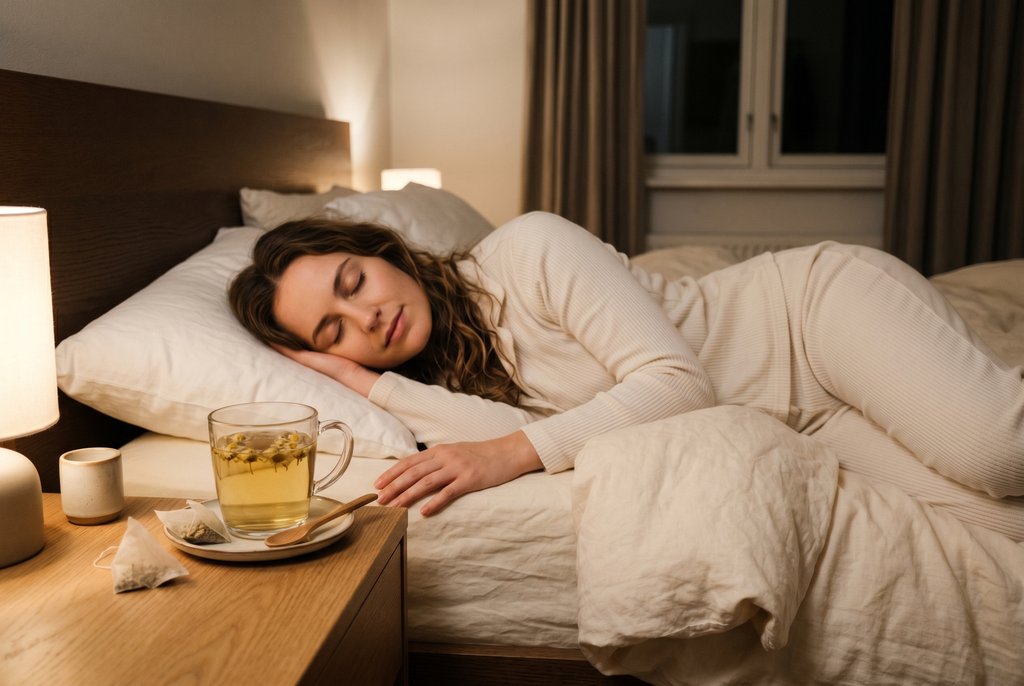
Why Skip Melatonin? The Power of Plant Botanicals
While melatonin is a hormone your body produces naturally, over-the-counter supplements often contain massive doses that overwhelm your receptors. Herbal alternatives work differently by gently modulating neurotransmitters, guiding your brain safely into the REM and deep sleep stages.
“Botanical medicines like Valerian and Chamomile contain active flavonoids that bind to benzodiazepine receptors in the brain, inducing sleep safely without the withdrawal symptoms associated with pharmaceuticals.”
Let us break down the most effective herbal remedies for optimizing your nightly rest, backed by rigorous clinical research.
| Herbal Alternative | Active Compound | Best For | Onset Time |
|---|---|---|---|
| Valerian Root | Valerenic Acid | Deep Sleep & Insomnia | 30-60 mins |
| Passionflower | Chrysin | Racing Thoughts | 30 mins |
| Chamomile | Apigenin | Mild Relaxation | 45 mins |
| Ashwagandha | Withanolides | High Cortisol | Takes days to build |
| Lemon Balm | Rosmarinic Acid | Anxiety Reduction | 30-45 mins |
| Magnolia Bark | Honokiol | Lowering Adrenaline | 30 mins |
Top 6 Herbal Sleep Aids Explained
1. Valerian Root: The Heavy Hitter
Often referred to as “nature’s Valium,” Valerian root prevents the breakdown of GABA in the brain. More GABA means a calmer nervous system and faster sleep onset. A comprehensive NCBI review on Valerian Root found that patients reported significantly improved sleep quality without side effects.
2. Passionflower: The Mind Quieter
If you lie awake overthinking, Passionflower is your best defense. It acts synergistically with other herbs to soothe anxiety. It mildly depresses the central nervous system, creating a perfect environment for uninterrupted rest.
3. Chamomile: The Classic Relaxant
Chamomile tea is a bedtime staple for a reason. Its abundant antioxidant, apigenin, binds to specific brain receptors that decrease anxiety. The National Institutes of Health highlights chamomile as a powerful, non-addictive mild tranquilizer.
4. Ashwagandha: The Cortisol Crusher
Unlike fast-acting sedatives, Ashwagandha is an adaptogen that repairs your sleep cycle over time. By drastically reducing cortisol levels, it stops stress hormones from keeping you awake. It is perfect for those suffering from chronic burnout.
5. Lemon Balm: The Mood Soother
Part of the mint family, Lemon Balm has been used since the Middle Ages. It significantly reduces stress and promotes sleep when combined with Valerian root. Its rosmarinic acid content directly improves mood and cognitive relaxation.
6. Magnolia Bark: The Adrenaline Blocker
Rich in honokiol, Magnolia Bark works as a rapid relaxant. It quickly decreases adrenaline and cortisol levels, making it ideal for those who wake up in the middle of the night in a panic. It promotes deep, restorative REM sleep.
Disclaimer: This article is for informational purposes only and is not intended as medical advice. Always consult with a qualified healthcare professional before making changes to your health regimen.
Frequently Asked Questions (FAQ)
Can I take multiple herbal sleep aids together?
Yes, many herbal supplements blend herbs like Valerian, Passionflower, and Lemon Balm for a synergistic effect. However, start with single herbs or low-dose blends to see how your body reacts before combining high doses.
How long does it take for Valerian root to work?
While some feel the effects within 30 minutes, Valerian often requires daily use for 1 to 2 weeks to reach maximum efficacy. It builds up in your system, repairing your sleep architecture over time.
Are these herbal alternatives safe for long-term use?
Unlike synthetic sleeping pills or high-dose melatonin, most herbal teas and adaptogens are generally safe for long-term use. They do not cause chemical dependence, but taking periodic breaks is still highly recommended.