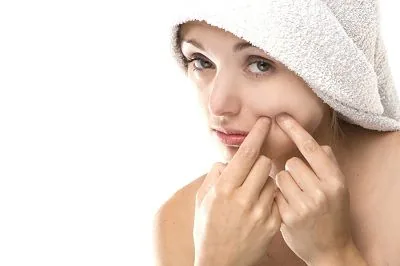
Blackheads (open comedones) are non-inflammatory acneiform lesions formed when follicular infundibula become distended with a compacted matrix of desquamated keratinocytes and glandular sebum. Contrary to popular misconception, the characteristic dark pigmentation of a blackhead is not trapped dirt; rather, it is the photochemical byproduct of squalene lipid peroxidation and melanin deposition exposed to ambient atmospheric oxygen at the open follicular pore. Because aggressive physical manipulation (squeezing, aggressive scrubbing) induces follicular rupture, secondary inflammatory papules, and permanent atrophic scarring, modern dermatology prioritizes biochemical keratolysis and lipid clearance. The 5 scientifically validated strategies to treat open comedones while preserving epidermal acid-mantle integrity include: cultured yogurt lactic acid corneolysis, colloidal oatmeal and kaolin sebum adsorption, raw honey osmotic pore cleansing, hydrophilic oil pre-cleansing, and lipid-soluble salicylic acid (BHA) follicular dissolution.
Dermatological Summary & Core Takeaways
- Lipid Oxidation, Not Dirt: Blackheads darken because unsaturated sebum lipids (principally squalene) oxidize upon contact with air. Vigorous facial scrubbing does not remove this oxidized core and only damages the stratum corneum barrier.
- Follicular Desquamation Kinetics: Effective blackhead clearance requires lipid-permeable keratolytic agents (salicylic acid / lactic acid) that dissolve intercorneocyte desmosomes within the hair follicle canal, restoring normal cellular desquamation.
- Toxic DIY Red Alert: Applying baking soda (alkaline pH ~9.0), undiluted lemon juice (acidic pH ~2.0), or fluoridated toothpaste to skin disrupts the delicate acid mantle (pH 4.5–5.5), destroying skin barrier ceramides and triggering severe chemical dermatitis.
Pathophysiology of Open Comedogenesis
The human pilosebaceous unit consists of a hair follicle enveloped by multidividing sebaceous glands under androgenic control (specifically dihydrotestosterone). When sebocytes produce excess viscous sebum, concurrent retention hyperkeratosis causes follicular epithelial cells to adhere tightly together instead of shedding freely.
Clinical dermatology trials published in the National Center for Biotechnology Information (NCBI) on acne pathogenesis demonstrate that squalene peroxides provoke local inflammation and recruit Cutibacterium acnes biofilms. Navigating blackheads successfully requires moving beyond destructive home abrasives toward evidence-based gentle corneolysis, aligning with our dermatological review on topical acne solutions and microbiome science.
“True comedolytic success lies in clearing follicular plugs from within using lipid-compatible keratolytics, while guarding the epidermal barrier against trans-epidermal water loss.”
5 Evidence-Based Strategies to Treat Blackheads
The following five protocols integrate safe at-home biochemical care with clinical dermatological standards to clear open comedones without inducing follicular scarring:
1. Cultured Yogurt Lactic Acid Compresses (Gentle Alpha-Hydroxy Corneolysis)
Plain unflavored cultured yogurt is a rich biological source of natural L-lactic acid, a gentle alpha-hydroxy acid (AHA). Unlike synthetic chemical peels that can overwhelm sensitive facial skin, yogurt provides a mild, buffered concentration of lactic acid alongside soothing milk proteins and fats.
Lactic acid weakens ionic desmosomal adhesions between dead corneocytes lining the upper follicular infundibulum. Applying a thin compress of plain Greek yogurt to comedone-prone zones for 10 to 15 minutes allows lactic acid to soften compacted keratin plaques, facilitating spontaneous shedding. Furthermore, as an endogenous component of the skin’s Natural Moisturizing Factor (NMF), lactic acid attracts water molecules into the stratum corneum, hydrating the skin while gently promoting cellular turnover.
2. Colloidal Oatmeal and Kaolin Clay Compresses (Lipophilic Sebum Adsorption)
When sebum oxidizes within an open follicle, it forms a hardened, gummy plug of squalene, wax esters, and cholesterol. Finely milled colloidal oatmeal (Avena sativa) combined with pharmaceutical-grade kaolin clay provides high-efficiency surface adsorption without stripping structural stratum corneum ceramides.
Kaolin clay possesses a high cation-exchange capacity and a microscopic layered silicate structure that acts as a capillary sponge, drawing liquified surface sebum and oxidized lipids away from pore margins. Simultaneously, colloidal oatmeal delivers active avenanthramides—polyphenolic anti-irritants that downregulate cutaneous interleukin-8 (IL-8) and suppress histamine release, preventing the erythema often caused by purifying clay treatments.
3. Raw Honey and Propolis Demulcent Application (Osmotic and Microbial Regulation)
Raw unprocessed honey delivers powerful biological properties directly to congested skin. Due to high natural osmolarity and low water activity, honey creates an osmotic gradient that softens tenacious epidermal keratin crusts without causing mechanical abrasion.
Research detailed in our guide on foundations for radiant and healthy skin underscores honey’s content of antimicrobial defensin-1 peptides and flavonoids. When applied as a 15-minute gentle patting mask, honey gently binds loose surface corneocytes, regulates anaerobic Cutibacterium acnes microcolonies, and hydrates underlying dermal layers, preventing reactive hyper-seborrhea.
4. Hydrophilic Oil Pre-Cleansing (The “Like Dissolves Like” Principle)
One of the most effective non-invasive ways to loosen stubborn blackheads is hydrophilic oil cleansing, grounded in the fundamental chemistry axiom: like dissolves like. Standard water-based foaming cleansers bounce off the hydrophobic lipid plugs clogging open pores.
Non-comedogenic botanical oils with high linoleic acid concentrations (such as jojoba oil, squalane, or hemp seed oil) match human sebum fluidity. Massaging a small amount of non-comedogenic oil onto dry skin over affected areas (such as the nasal bridge and chin) for 60 to 90 seconds solubilizes oxidized sebum waxy esters. Following with a gentle foaming cleanser or warm water washcloth lifts the dissolved sebum away cleanly without causing physical trauma.
5. Salicylic Acid (BHA) and Retinoid Foundations (The Dermatological Gold Standard)
While home natural masks maintain surface softness, clinical dermatology universally recognizes beta-hydroxy acid (salicylic acid) and over-the-counter topical retinoids (adapalene 0.1%) as the definitive gold standard for persistent blackheads.
Unlike water-soluble AHAs, salicylic acid is lipophilic, allowing it to penetrate through sebum directly into the infundibulum of the sebaceous follicle. Once inside, salicylic acid dissolves desmosomes holding dead follicular cells together, clearing out oxidized debris from the inside out. For optimal long-term results, pairing 1% to 2% salicylic acid washes with natural soothing agents, such as those described in our analysis of using tea tree oil safely for acne, produces sustained pore clarity.
Blackhead Remediation Mechanism & Evidence Matrix
| Treatment Strategy | Active Biochemical Agent | Dermatological Mechanism of Action | Clinical Evidence Level |
|---|---|---|---|
| 1. Cultured Yogurt Compress | Lactic Acid (AHA) & NMF peptides | Gentle intercorneocyte desmosomal dissolution; boosts stratum corneum hydration | Grade B+ (Dermatological Consensus) |
| 2. Colloidal Oatmeal & Clay | Avenanthramides & Silicate minerals | Physical sebum adsorption; downregulates cutaneous IL-8; anti-pruritic | Grade A (Controlled Skin Barrier Trials) |
| 3. Raw Honey Application | Defensin-1 & Osmotic sugars | Softens keratin crusts; inhibits follicular bacterial colonization without drying | Grade B (Wound & Barrier Healing Data) |
| 4. Hydrophilic Oil Cleansing | Jojoba esters & Linoleic triglycerides | “Like dissolves like” waxy sebum solubilization; softens stubborn pore plugs | Grade B+ (Clinical Cosmetic Science) |
| 5. Salicylic Acid (BHA 1-2%) | Salicylic Acid & Adapalene | Lipophilic intra-follicular keratolysis; normalizes follicular desquamation | Grade A (FDA / Gold Standard RCTs) |
Scientific Debunking: The Danger of Baking Soda, Toothpaste, and Lemon DIYs
Social media platforms and outdated wellness blogs frequently recommend kitchen staples as “quick DIY blackhead hacks.” In dermatological practice, these remedies are responsible for acute skin barrier trauma and emergency clinic visits:
- Baking Soda (Sodium Bicarbonate): Baking soda has a strongly alkaline pH of approximately 9.0, whereas healthy human skin thrives at an acidic pH of 4.5 to 5.5 (the “acid mantle”). Washing with baking soda neutralizes the acid mantle, stripping intercellular ceramides, destroying antibacterial lipid defense, and provoking massive rebound oil overproduction.
- Toothpaste: Toothpaste contains harsh detergents (sodium lauryl sulfate), abrasive silica particles, menthol, and hydrogen peroxide. Applied to delicate facial pores, it causes chemical burns, severe contact dermatitis, and inflammatory hyperpigmentation that persists for months.
- Undiluted Lemon Juice: Fresh lemon juice has an aggressive pH of around 2.0, causing immediate acid burn irritation. More dangerously, lemons contain photosensitizing furocoumarins (psoralens); when exposed to sunlight after lemon application, patients can develop severe, blistering phytophotodermatitis.
Disclaimer: This article is for informational purposes only and is not intended as medical advice. Always consult with a qualified healthcare professional before making changes to your health regimen.
Frequently Asked Questions (FAQ)
Why do blackheads turn black if they aren’t filled with dirt?
Blackheads appear dark due to chemical oxidation, not dirt. The follicular plug is composed of dead skin cells (keratin) and sebum lipids (principally squalene). Because an open comedone is exposed to ambient atmospheric air at the skin’s surface, squalene oxidizes and skin melanin pigments chemically react with oxygen, turning the plug a dark brownish-black color.
Are adhesive pore strips safe for removing blackheads on the nose?
Pore strips provide temporary gratification by adhering to the superficial portion of keratin plugs, but they do not solve comedogenesis. More concerningly, the industrial adhesive on pore strips frequently rips away the delicate upper layer of the stratum corneum, dilates superficial blood capillaries (leading to permanent telangiectasias or spider veins), and leaves the pore open to rapid re-clogging.
How long does it typically take to see visible clearance with salicylic acid?
Because the normal epidermal renewal cycle takes approximately 28 to 40 days, biochemical keratolysis requires consistent application. Most patients observe noticeable reductions in blackhead density, smoother skin texture, and refined pore appearance after 4 to 6 weeks of regular daily use of a gentle 1% to 2% leave-on BHA or cleanser.