






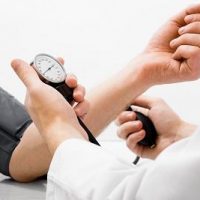
Hypertension—clinically defined as a sustained systolic blood pressure (SBP) ≥ 130 mmHg or diastolic blood pressure (DBP) ≥ 80 mmHg by modern American College of Cardiology / American Heart Association (ACC/AHA) guidelines—is rightfully dubbed the “silent killer.” Chronic unmanaged arterial tension inexorably inflicts shearing mechanical damage upon delicate vascular endothelium, accelerating atherosclerotic plaque formation, myocardial infarction, congestive heart failure, chronic kidney disease (CKD), and cerebrovascular stroke. Fundamental hemodynamics dictate that blood pressure is the mathematical product of Cardiac Output (CO) and Systemic Vascular Resistance (SVR): BP = CO × SVR. Non-pharmacological lifestyle and dietary interventions directly modify these biophysical variables by blunting sympathetic tone, upregulating endothelial nitric oxide bioavailability, and balancing renal electrolyte excretion. The 6 evidence-based strategies for hypertension management comprise the DASH dietary framework, strategic potassium-sodium electrophysiology, bioactive aged garlic extract, celery-derived phthalide vasodilation, structured aerobic and isometric exercise, and visceral adiposity reduction.
Cardiovascular Summary & Actionable Takeaways
- DASH Diet Hemodynamic Potency: The Dietary Approaches to Stop Hypertension (DASH) eating pattern—rich in fruits, vegetables, whole grains, and low-fat dairy—delivers a substantial 8 to 14 mmHg systolic drop in hypertensive individuals, rivaling first-line single-agent pharmaceutical monotherapy.
- The Renal Sodium-Potassium Ratio: Arterial pressure is mediated by renal electrophysiology. Increasing dietary potassium (K+) to 3,500–4,700 mg/day while constraining sodium (Na+) below 1,500–2,000 mg/day hyperpolarizes vascular smooth muscle cells and promotes robust natriuresis via the Na+/K+-ATPase pump.
- Hypertensive Crisis Red Lines: Lifestyle measures are foundational long-term supportive strategies, not emergency interventions. A resting blood pressure reading exceeding 180/120 mmHg accompanied by symptoms of target-organ damage (severe headache, chest pain, dyspnea, blurred vision) represents a hypertensive emergency requiring immediate hospital emergency department care.

Vascular Pathophysiology: What Drives Elevated Arterial Resistance?
At the microvascular level, arterial blood pressure is sustained by the resting contractile tone of vascular smooth muscle cells (VSMCs) lining resistance arterioles. When endothelial dysfunction occurs—precipitated by chronic oxidative stress, hyperinsulinemia, or systemic inflammation—endothelial nitric oxide synthase (eNOS) uncouples, decreasing the production of nitric oxide (NO), the body’s primary endogenous vasodilator.
As detailed in the comprehensive clinical review on hypertension in the National Center for Biotechnology Information (NCBI) DASH and Blood Pressure guidelines, simultaneous activation of the renin-angiotensin-aldosterone system (RAAS) causes angiotensin II to constrict arterial beds and stimulate aldosterone-mediated renal sodium and water retention. Combining targeted nutritional shifts with clinical symptom monitoring, as outlined in our review of high blood pressure symptoms and stages, restores endothelial caliber and lowers systemic resistance without pharmaceutical adverse reactions.
“By restoring endothelial nitric oxide bioavailability and re-establishing cellular potassium-to-sodium equilibrium, targeted lifestyle interventions directly blunt excessive arteriolar vasoconstriction and lower systemic vascular resistance.”
6 Science-Backed Strategies to Manage High Blood Pressure
The following six evidence-based strategies modulate hormonal, renal, and endothelial pathways to safely lower elevated arterial pressure:
1. Dietary Approaches to Stop Hypertension (DASH Electrophysiology and Natriuresis)
The DASH dietary pattern is the gold standard nutritional intervention recommended by major cardiology societies worldwide. DASH emphasizes whole, minimally processed plant foods, legumes, nuts, lean poultry, and low-fat dairy while drastically curbing refined carbohydrates, sugar-sweetened beverages, and saturated fats.
Biochemically, DASH operates by supplying an abundance of cardioprotective micronutrients: magnesium (Mg2+), calcium (Ca2+), potassium (K+), and dietary nitrates. Magnesium acts as a physiological calcium channel blocker, competing with intracellular Ca2+ at vascular smooth muscle binding sites, thereby promoting vascular relaxation. Randomized clinical trials demonstrate that fully adhering to DASH lowers systolic blood pressure by an average of 11 mmHg and diastolic pressure by 5 mmHg in hypertensive patients.
2. Strategic Potassium and Sodium Balances (Restoring the Vascular Na+/K+ Pump)
Modern Western diets provide an inverted sodium-to-potassium ratio, delivering vast amounts of sodium chloride alongside an extreme deficit of plant-derived potassium. In the renal distal convoluted tubule, excess sodium increases plasma volume, expanding cardiac preload and raising cardiac output.
Elevating dietary potassium intake through whole foods (such as dark leafy greens, avocados, and incorporating our potassium-rich insights on the cardiovascular benefits of bananas) restores cellular electrophysiology. High intracellular potassium hyperpolarizes the endothelial cell membrane, deactivating L-type voltage-gated calcium channels and blunting vasoconstriction. Simultaneously, potassium stimulates renal natriuresis, excreting excess sodium into the urine and reducing total intravascular fluid volume.
3. Aged Garlic Extract and Allicin Metabolites (Endothelial Nitric Oxide and H2S Signaling)
Fresh crushed garlic (Allium sativum) yields allicin, which rapidly degrades into active organosulfur compounds including S-allylcysteine (SAC), diallyl disulfide (DADS), and diallyl trisulfide (DATS). In aged garlic extract (AGE), standardized SAC offers superior stability and oral bioavailability.
As documented in modern cardiovascular meta-analyses and our foundational analysis of the proven health benefits of garlic, organosulfur metabolites stimulate endothelial nitric oxide synthase (eNOS) and serve as enzymatic donors for hydrogen sulfide (H2S) gaseous signaling. Hydrogen sulfide hyperpolarizes vascular smooth muscle cells by opening ATP-sensitive potassium (KATP) channels, provoking widespread peripheral vasodilation. Meta-analyses of clinical trials show that standardized garlic supplementation lowers systolic blood pressure by an average of 8.3 mmHg and diastolic by 5.5 mmHg, an effect size comparable to conventional beta-blockers.
4. Celery and 3-n-Butylphthalide (Vascular Smooth Muscle Relaxation and Calcium Channel Modulation)
Celery (Apium graveolens) and celery seed extract contain a unique bioactive chemical class known as phthalides, most notably 3-n-butylphthalide (NBP). Pharmacological investigations reveal that NBP acts directly upon the central nervous and vascular systems.
Mechanistically, NBP blunts the secretion of systemic catecholamines (adrenaline and noradrenaline), which typically drive acute arteriolar vasoconstriction under chronic stress. Furthermore, phthalides act as natural calcium channel modulators, diminishing the influx of extracellular calcium into vascular smooth muscle and enabling the muscular walls of arterial resistance vessels to dilate. Consuming fresh celery stalks or fresh celery juice delivers these bioactive phthalides alongside dietary potassium and apigenin; explore full mechanistic details in our clinical review on the health benefits of celery and phthalides.
5. Structured Aerobic and Isometric Resistance Training (Endothelial Shear Stress and Vasodilation)
Regular physical exercise is one of the most reliable hemodynamic stabilizers known to cardiovascular science. Performing 150 minutes per week of moderate-intensity aerobic exercise (brisk walking, cycling, lap swimming) creates sustained laminar fluid shear stress along the vascular endoluminal surface.
This hemodynamic shear stress phosphorylates eNOS at the Ser1177 residue, dramatically enhancing basal endothelial nitric oxide production. Consequently, systemic vascular resistance decreases post-exercise (post-exercise hypotension), maintaining lower arterial pressures for up to 24 hours. Additionally, emerging sports cardiology data reveal that isometric resistance training (such as static wall sits or isometric handgrip exercises for 12 minutes three times weekly) triggers potent baroreceptor recalibration, decreasing resting systolic pressure by up to 10 mmHg.
6. Targeted Visceral Adiposity Loss (Blunting Sympathetic Hyperactivity and RAAS Axis Strain)
Excess visceral adiposity—particularly intra-abdominal fat surrounding vital organs—is directly pathogenic to the cardiovascular system. Visceral adipocytes chronically release inflammatory adipokines (TNF-α, IL-6) and excess leptin, which directly stimulates hypothalamic pro-opiomelanocortin (POMC) neurons, triggering chronic renal sympathetic nerve hyperactivation.
This persistent sympathetic surge constricts renal efferent arterioles and stimulates sustained renin release, perpetuating fluid retention and systemic vasoconstriction. Clinical weight loss studies consistently show that every 1 kilogram (2.2 lbs) of body weight lost reduces systolic and diastolic blood pressure by approximately 1 mmHg. Furthermore, reducing waist circumference (aiming for < 40 inches in men and < 35 inches in women) relieves physical compression on renal parenchyma, immediately decompressing the renal vascular circuit.
Hypertension Lifestyle Modalities & Clinical Impact Matrix
| Strategy / Interventional Modality | Physiological & Molecular Pathway | Expected SBP/DBP Reduction & Implementation Standard |
|---|---|---|
| 1. DASH Dietary Pattern | Supplies synergistic Mg2+, Ca2+, K+, and fiber; blunts vascular smooth muscle contractility. | −8 to −14 mmHg SBP; High evidence. Prioritize 4–5 cups vegetables/fruits, legumes, and lean protein daily. |
| 2. Sodium Restriction & Potassium Loading | Activates renal Na+/K+-ATPase natriuresis; hyperpolarizes smooth muscle membrane. | −5 to −8 mmHg SBP; Constrain sodium < 2,000 mg/day; boost dietary potassium to 3,500–4,700 mg/day. |
| 3. Standardized Aged Garlic Extract | S-allylcysteine donates H2S and stimulates eNOS; opens KATP vascular channels. | −5 to −9 mmHg SBP / −4 to −6 mmHg DBP; 600–1,200 mg aged garlic extract daily. |
| 4. Celery Bioactives (3-n-Butylphthalide) | Downregulates adrenal catecholamine release; natural calcium channel modulation. | −3 to −5 mmHg SBP; 4 fresh celery stalks or 150–200 mL cold-pressed celery juice daily. |
| 5. Aerobic & Isometric Exercise | Endothelial shear stress activates eNOS Ser1177; baroreflex sensitivity reset. | −5 to −10 mmHg SBP; 150 min/wk moderate aerobic exercise + 3 sessions isometric wall sits. |
| 6. Visceral Weight Reduction | Decompresses renal vasculature; eliminates leptin-driven central sympathetic overdrive. | −1 mmHg SBP per 1 kg lost; Target waist-to-height ratio < 0.5 through caloric deficit. |
Clinical Boundaries: Hypertensive Emergency vs. Urgency Red Lines
While lifestyle and natural remedies are indispensable pillars of long-term cardiovascular health, they cannot substitute for urgent clinical intervention during acute hypertensive spikes:
- Hypertensive Crisis Definition: Any blood pressure reading where systolic pressure exceeds 180 mmHg and/or diastolic pressure exceeds 120 mmHg. If a home monitor yields this reading, wait 5 minutes in a seated, relaxed position and re-test. If readings remain above 180/120 mmHg, immediate medical evaluation is essential.
- Hypertensive Emergency (Target Organ Damage): If blood pressure > 180/120 mmHg is accompanied by symptoms such as acute crushing chest pain, shortness of breath (pulmonary edema), sudden severe thunderclap headache, neurological deficits (slurred speech, facial droop, numbness), acute visual blurring, or upper back tearing pain (aortic dissection), call emergency services (911) immediately. Do not attempt home remedies or wait for natural therapies.
- Never Discontinue Prescribed Antihypertensives Abruptly: If your physician has prescribed ACE inhibitors, ARBs, beta-blockers, or calcium channel blockers, never stop taking them abruptly in favor of natural remedies. Abrupt cessation of medications (especially clonidine or beta-blockers) can trigger lethal rebound sympathetic surges, acute hypertensive crises, and strokes. Always taper medications under the supervision of your prescribing cardiologist.
Disclaimer: This article is for informational purposes only and is not intended as medical advice. Always consult with a qualified healthcare professional before making changes to your health regimen.
Frequently Asked Questions (FAQ)
Can natural home remedies replace prescription blood pressure medications entirely?
For individuals with stage 1 hypertension (130–139 / 80–89 mmHg) without existing cardiovascular disease or diabetes, lifestyle interventions (DASH diet, exercise, potassium loading, weight loss) are recommended as primary therapy for 3 to 6 months before initiating pharmaceuticals. However, for individuals with stage 2 hypertension (≥ 140/90 mmHg) or established target-organ damage, natural strategies serve as vital adjunctive therapies alongside prescription medications to reduce cardiovascular events.
How quickly can dietary changes lower blood pressure numbers?
Noticeable hemodynamic shifts occur remarkably fast. Studies on the DASH diet demonstrate measurable reductions in systolic blood pressure within 14 days of full adherence. Similarly, adopting a strict low-sodium, high-potassium intake lowers blood pressure within 2 to 4 weeks as renal intravascular volume recalibrates. Aerobic exercise produces acute post-exercise hypotension that lowers blood pressure for several hours immediately after a workout.
Are potassium supplements safe for everyone trying to lower their blood pressure?
No. While increasing dietary potassium through whole foods (vegetables, legumes, fruit) is safe for healthy individuals, taking concentrated potassium pills is strictly contraindicated in patients with chronic kidney disease (CKD), acute renal failure, or those taking potassium-sparing diuretics (such as spironolactone) or ACE inhibitors / ARBs. In these individuals, supplementary potassium can trigger lethal hyperkalemia, causing fatal cardiac arrhythmias.
What is the single most effective daily exercise for lowering resting blood pressure?
Recent meta-analyses indicate that isometric exercise training—specifically isometric wall sits (wall squats) or isometric handgrip contractions—yields the greatest resting blood pressure reductions (averaging an 8 to 10 mmHg systolic drop), exceeding traditional aerobic endurance training. Performing four 2-minute wall sits separated by 2-minute rests, three times weekly, delivers profound cardiovascular recalibration.