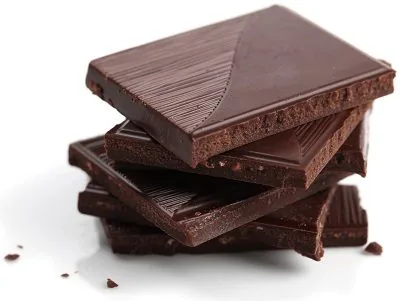
Dark chocolate—specifically minimally processed cocoa products standardized to 70% or higher cocoa solids—is one of nature’s most concentrated botanical reservoirs of monomeric and oligomeric flavan-3-ols, notably (-)-epicatechin, (+)-catechin, and procyanidin oligomers. Unlike high-sugar confectionery, dark cocoa functions as a potent pharmacologically active functional food that interacts directly with human vascular endothelium, central nervous system perfusion, and neurochemical receptors. Peer-reviewed metabolic and randomized crossover trials confirm that regular consumption of flavanol-rich dark chocolate stimulates endothelial nitric oxide synthase (eNOS), inducing robust arterial vasodilation that lowers systemic blood pressure, enhances cerebral blood flow to elevate executive cognitive performance, improves lipid oxidation resistance, and upregulates cutaneous microcirculation. The 6 clinically substantiated health benefits of dark chocolate encompass endothelial nitric oxide generation and blood pressure reduction, cerebral perfusion and cognitive executive enhancement, atherogenic lipid oxidation suppression and anti-platelet dynamics, monoamine neurotransmitter elevation and neuro-affective mood modulation, UV-induced erythema resistance and cutaneous microcirculation, and intracellular magnesium replenishment for cardiovascular electrophysiology.
Quick Nutrition Science & Key Takeaways
- Endothelial eNOS Phosphorylation: Monomeric (-)-epicatechin directly activates endothelial nitric oxide synthase, amplifying bioactive nitric oxide (NO) production to relax resistance arteries and reduce systolic blood pressure.
- Neurovascular Coupling & Perfusion: Cocoa flavanols cross the blood-brain barrier to upregulate brain-derived neurotrophic factor (BDNF) in the dentate gyrus while augmenting middle cerebral artery blood flow velocity.
- The 70% Cocoa Threshold: Health benefits require chocolate with at least 70% cocoa solids; commercial milk chocolate or Dutch-processed alkalized powders lose up to 90% of their native flavanols while spiking caloric sugar loads.
The Biochemical Matrix of Theobroma cacao: Flavanols vs. Confectionery Sugar
The botanical seeds of Theobroma cacao contain a complex tri-blend of specialized phytochemicals: polyphenolic flavanols, methylxanthine alkaloids (theobromine and caffeine), and a unique fatty acid lipid profile comprising stearic acid, palmitic acid, and oleic acid. While confectionery chocolate bars dilute this natural matrix with refined sucrose and dairy fats, high-cocoa dark chocolate preserves these bioactive compounds in therapeutic concentrations.
Extensive meta-analyses of randomized controlled feeding trials cataloged by the NCBI monograph on cocoa flavanols and cardiovascular biomarkers demonstrate that daily intake of 200 to 500 mg of cocoa flavanols significantly augments flow-mediated dilation (FMD) across diverse demographic cohorts. To optimize systemic vascular health, pair dark chocolate with our clinical guidelines on evidence-based blood pressure management and explore metabolic strategies in our evaluation of polyphenol intake and digestive microflora.
“Cocoa flavanols represent a rare dietary intervention capable of concurrently optimizing peripheral vascular tone, stimulating cerebral neurovascular coupling, and elevating endogenous antioxidant defense.”
6 Science-Backed Health Benefits of Dark Chocolate
Rigorous clinical cardiology, neurobiology, and metabolic investigations establish the following six validated health benefits of dark chocolate:
1. Endothelial Nitric Oxide Upregulation and Arterial Blood Pressure Modulation
Endothelial dysfunction, marked by depleted nitric oxide (NO) bioavailability and impaired flow-mediated vasodilation, represents the foundational trigger of essential hypertension and systemic arteriosclerosis. Cocoa flavanols—particularly monomeric (-)-epicatechin—exert direct molecular actions on the vascular endothelial lining.
Upon absorption, epicatechin metabolites stimulate the phosphorylation of endothelial nitric oxide synthase (eNOS) at Ser1177 while suppressing NADPH oxidase-mediated free-radical destruction of NO. The resulting gaseous nitric oxide diffuses into neighboring vascular smooth muscle cells, stimulating soluble guanylyl cyclase (sGC) to synthesize cyclic guanosine monophosphate (cGMP). Elevated cGMP prompts calcium efflux, relaxing arterial walls and lowering systemic vascular resistance. Comprehensive Cochrane systematic reviews confirm that sustained consumption of high-flavanol dark chocolate lowers systolic blood pressure by an average of 4 mmHg and diastolic pressure by 2 mmHg in hypertensive and prehypertensive adults.
2. Cerebral Perfusion, Neurovascular Coupling, and Cognitive Longevity
The human brain depends on continuous, tight regulation of local blood flow to meet the energy demands of active neurons—a physiological mechanism known as neurovascular coupling. Cocoa flavanols readily cross the blood-brain barrier, localizing within cortical and hippocampal regions central to learning, spatial memory, and executive function.
Functional magnetic resonance imaging (fMRI) studies establish that acute and chronic ingestion of dark chocolate significantly accelerates middle cerebral artery blood velocity. Concurrently, cocoa polyphenols stimulate the expression of brain-derived neurotrophic factor (BDNF), promoting synaptic plasticity and neurogenesis in the dentate gyrus. Furthermore, the intrinsic methylxanthine alkaloid theobromine acts as a gentle, long-acting non-selective adenosine receptor antagonist, enhancing alertness, reaction speed, and sustained attention without the jagged adrenergic tremors or rebound fatigue frequently precipitated by excessive pure caffeine.
3. Cardioprotective Lipid Oxidation Resistance and Platelet Aggregation Suppression
Atherosclerotic coronary artery disease is driven largely by the oxidative modification of circulating low-density lipoprotein (ox-LDL) particles within the sub-endothelial intima. Once oxidized, ox-LDL triggers inflammatory scavenger receptor uptake by macrophages, initiating foam cell transformation and fatty streak development.
The oligomeric procyanidins in dark chocolate serve as potent lipophilic free-radical scavengers, partitioning into LDL particles and intercepting peroxyl radicals to prevent lipid peroxidation. In addition, cocoa flavanols exhibit mild anti-platelet dynamics comparable to low-dose acetylsalicylic acid: they downregulate platelet glycoprotein IIb/IIIa receptor activation and suppress thromboxane A2 (TXA2) synthesis, dampening hyperactive platelet aggregation and minimizing the hazard of intra-arterial micro-thrombi without inducing gastric ulceration.
4. Monoamine Neurotransmitter Signaling, PEA, and Neuro-Affective Mood Elevation
Dark chocolate contains an intriguing suite of neuroactive psychoactive alkaloids and lipid transmitters that directly modulate mood, affective states, and emotional stress resilience. Prominent among these is phenylethylamine (PEA), an endogenous trace amine neuromodulator often dubbed the “love chemical.”
PEA stimulates dopaminergic and noradrenergic transmission within mesolimbic reward pathways, promoting feelings of contentment, euphoria, and mental focus. Additionally, cocoa supplies trace amounts of anandamide (an endogenous cannabinoid that binds CB1 receptors) alongside N-acylethanolamines that inhibit FAAH (fatty acid amide hydrolase), prolonging natural endocannabinoid signaling. Crucially, dark chocolate is rich in magnesium, which regulates the hypothalamic-pituitary-adrenal (HPA) axis, attenuating excessive cortisol surges during psychological distress, as detailed in our guide to evidence-based natural remedies for stress and anxiety.
5. Photoprotective Dermal Microcirculation, TEWL Reduction, and Skin Elasticity
Solar ultraviolet (UV) radiation triggers reactive oxygen species cascades that degrade dermal collagen fibrils and activate cutaneous matrix metalloproteinases (MMPs), precipitating premature photo-aging and solar elastosis. The high concentration of flavanols in dark chocolate delivers measurable photoprotection directly to cutaneous tissue.
Double-blind clinical trials cataloged by the NCBI dermatological monograph on cocoa polyphenols and cutaneous physiology prove that daily consumption of high-flavanol cocoa for 12 to 24 weeks doubles the minimal erythema dose (MED)—the amount of UV exposure required to cause visible sunburn. Furthermore, cocoa flavanols significantly enhance dermal capillary blood flow, boosting nutrient delivery to basal keratinocytes, decreasing transepidermal water loss (TEWL), and preserving structural dermal elasticity, aligning with protocols in our guide to home remedies for wrinkle prevention and collagen preservation.
6. Intracellular Magnesium and Trace Mineral Replenishment for Electrophysiological Stability
Subclinical magnesium deficiency is widespread across industrial populations, predisposing individuals to cardiac arrhythmias, muscle cramping, insulin resistance, and heightened vascular tone. A standard 100-gram portion of 70% to 85% dark chocolate delivers over 228 mg of bioavailable elemental magnesium (Mg2+), fulfilling nearly 55% to 60% of daily recommended intake.
Magnesium serves as an indispensable enzymatic co-factor in over 300 biochemical reactions, particularly those requiring adenosine triphosphate (ATP) coordination. In cardiac myocytes and vascular smooth muscle cells, magnesium functions as a physiological calcium channel blocker, regulating resting membrane potential, preventing hyper-contractility, and inhibiting coronary artery spasms. Furthermore, dark chocolate provides dense concentrations of iron (Fe2+, 67% DV), copper (Cu2+, 89% DV), and manganese (Mn2+, 98% DV), which fortify endogenous antioxidant enzymes like superoxide dismutase (SOD).
Evidence Matrix for Dark Chocolate Bioactive Fractions
| Bioactive Constituent / Fraction | Molecular Target & Biochemical Pathway | Clinical Endpoint & Evidence Grade | Recommended Dosage & Sourcing Protocol |
|---|---|---|---|
| 1. Flavan-3-ols [(-)-Epicatechin] | eNOS Ser1177 phosphorylation; stimulates cGMP vasodilation. | High (Meta-analyses of randomized trials); lowers BP and improves flow-mediated dilation. | 20–30 grams daily of minimally processed ≥70% dark chocolate. |
| 2. Flavanols & Theobromine | Crosses blood-brain barrier; upregulates BDNF and middle cerebral perfusion. | High (fMRI and human cognitive trials); enhances working memory and reaction speed. | Consume during morning or early afternoon cognitive work sessions. |
| 3. Oligomeric Procyanidins | Scavenges lipid peroxyl radicals; inhibits platelet TXA2 thromboxane synthesis. | Moderate-High (Cardiovascular biomarker trials); attenuates ox-LDL and thrombotic risk. | Select non-alkalized, un-Dutched dark chocolate to retain native procyanidins. |
| 4. Phenylethylamine & Anandamide | Stimulates mesolimbic dopamine release; delays FAAH cannabinoid degradation. | Moderate (Neurochemical evaluations); supports positive affect and stress resilience. | Enjoy mindfully as a sensory snack without emotional overconsumption. |
| 5. Dermal Flavanol Deposition | Quenches singlet oxygen; doubles minimal erythema dose (MED) against UV rays. | High (Human dermatological crossover trials); improves skin hydration and elasticity. | Maintain daily long-term intake for at least 12 weeks for cutaneous accumulation. |
| 6. Elemental Magnesium (Mg2+) | Natural Ca2+ channel antagonist; primes ATP-dependent cellular metabolism. | High (Fundamental nutritional biochemistry); stabilizes cardiac rhythm and vascular tone. | Pair with a varied diet rich in leafy greens and nuts to meet daily magnesium goals. |
Disclaimer: This article is for informational purposes only and is not intended as medical advice. Always consult with a qualified healthcare professional before making changes to your health regimen.
Frequently Asked Questions (FAQ)
What percentage of cocoa is required to experience clinical health benefits?
To obtain meaningful cardiovascular and cognitive health benefits, chocolate must contain a minimum of 70% cocoa solids, with 80% to 85% being the ideal sweet spot. Standard milk chocolate typically contains less than 30% cocoa solids paired with upwards of 50% refined sugar and dairy fats, which blunts flavanol bioavailability. Furthermore, avoid chocolate labeled as “Dutch processed” or “processed with alkali,” as chemical alkalization destroys up to 90% of native flavanols.
Are heavy metals like cadmium and lead a concern in dark chocolate?
Yes, heavy metals can naturally accumulate in cocoa plants. Cacao trees absorb cadmium from mineral-rich volcanic soils, while lead can adhere to cocoa bean husks during open-air sun drying. To minimize heavy metal exposure while enjoying daily health benefits, limit consumption to a sensible 1 ounce (roughly 25 to 30 grams) per day, rotate chocolate brands, and choose manufacturers that independently publish third-party heavy metal test results.
Does dark chocolate disrupt sleep if consumed late in the evening?
Yes, dark chocolate can interfere with sleep architecture in individuals sensitive to stimulants. A 50-gram serving of 70% dark chocolate contains approximately 40 mg of caffeine (comparable to half a cup of brewed coffee) and over 200 mg of theobromine, which has a half-life of 6 to 10 hours. It is best enjoyed during morning or mid-afternoon hours rather than as a late-night dessert.
Does drinking cow’s milk alongside dark chocolate impair its antioxidant benefits?
Yes, consuming dark chocolate concurrently with fluid dairy milk or buying milk chocolate significantly blunts polyphenol efficacy. Milk proteins—particularly caseins—bind tightly to free cocoa flavanol monomers (such as epicatechin) within the stomach, creating high-molecular-weight protein-polyphenol complexes that inhibit small intestinal absorption. For optimal therapeutic absorption, consume dark chocolate independently of dairy products.