





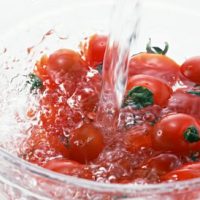
Once mistakenly feared as toxic nightshades by centuries of European folklore, tomatoes (Solanum lycopersicum) are recognized in modern nutritional science as one of the most potent functional foods on earth. While prized in culinary traditions for their savory umami profile, tomatoes deliver a complex matrix of bioactive carotenoids, polyphenols, and micronutrients led by lycopene, phytoene, and naringenin. From suppressing low-density lipoprotein (LDL) oxidation to modulating platelet hyperactivity and shielding dermal collagen against photo-aging, the clinical efficacy of tomatoes extends far beyond standard vitamin supplementation when prepared and absorbed under the proper physiological conditions.
Core Summary (Key Takeaways)
- The Lycopene Bioavailability Secret: Heat processing and lipid co-ingestion (such as pairing with extra virgin olive oil) isomerize lycopene from all-trans to cis conformations, boosting intestinal micellar absorption by over 300% compared to raw fruit.
- Multi-Targeted Cardiovascular Defense: Tomato bioactive fractions simultaneously prevent LDL particle oxidation, improve flow-mediated arterial dilation, and inhibit abnormal platelet aggregation without extending systemic bleeding times.
- Dermal and Cellular Longevity: Accumulating in the epidermis and prostate epithelium, tomato carotenoids quench high-energy singlet oxygen ($^1O_2$) and downregulate inflammatory cytokines, providing internal systemic photoprotection and cellular defense.

The Molecular Medicine of the Tomato: Carotenoid Dynamics
The primary therapeutic phytochemical in tomatoes is lycopene, an acyclic tetraterpene carotenoid composed of 40 carbon atoms and 11 conjugated double bonds. This distinctive chemical structure makes lycopene an extraordinary biological scavenger of reactive oxygen species (ROS), possessing more than double the singlet oxygen-quenching capacity of beta-carotene and ten times that of alpha-tocopherol (vitamin E).
In addition to lycopene, tomatoes synthesize non-colored carotenoid precursors—phytoene and phytofluene—as well as the flavonoid naringenin chalcone (concentrated largely in tomato skin). Together, these synergistic compounds act as molecular switches: they stimulate nuclear factor erythroid 2-related factor 2 (Nrf2) nuclear translocation, triggering cellular synthesis of endogenous glutathione, catalase, and superoxide dismutase. According to a landmark cardiovascular pharmacology review published by the National Center for Biotechnology Information (NCBI), high circulating serum lycopene consistently correlates with reduced arterial stiffness and lower incidence of major adverse cardiovascular events.
“Lycopene operates not merely as an inert free radical trap, but as an active cell-signaling modulator. It suppresses pro-inflammatory transcription cascades and protects vascular endothelium at physiological dietary concentrations.”
7 Science-Backed Health Benefits of Tomatoes
Modern clinical trials and nutritional research substantiate seven primary therapeutic advantages associated with regular tomato consumption:
1. Cardiovascular Protection: Endothelial Function and LDL Oxidation Defense
Atherosclerosis begins when circulating low-density lipoprotein (LDL) particles become oxidized within the subendothelial space of coronary arteries, triggering macrophage recruitment and foam cell accumulation. Lycopene integrates directly into the lipophilic core of LDL molecules, shielding polyunsaturated fatty acids from peroxidative breakdown. Furthermore, tomatoes are rich in potassium (~237 mg per 100g), which counteracts excess dietary sodium and aids arterial vasodilation. To optimize blood pressure naturally, incorporating potassium-rich whole foods is one of the most effective natural ways to lower blood pressure at home.
2. Oncological Risk Reduction: Prostate and Cellular Proliferation Defense
Epidemiological research led by the Harvard T.H. Chan School of Public Health (including the landmark Health Professionals Follow-Up Study tracking nearly 48,000 men) found that consuming cooked tomato sauce two or more times weekly was associated with an approximate 20% to 35% reduction in prostate cancer risk.
Mechanistically, lycopene preferentially accumulates in human prostate tissue, where it downregulates Insulin-like Growth Factor-1 (IGF-1) signaling, arrests abnormal cell cycle progression in the G0/G1 phase, and modulates androgen receptor expression. Men seeking proactive dietary protection frequently incorporate tomatoes alongside other evidence-based strategies outlined in clinical nutrition guidelines in the prostate cancer diet.
3. Anti-Thrombotic Support: Natural Inhibition of Platelet Aggregation
Intravascular blood clots (thrombi) triggered by hyperactive, sticky blood platelets represent a major precipitating cause of heart attacks and ischemic strokes. Tomatoes contain specialized water-soluble, heat-stable bioactive components—primarily nucleosides, polyphenols, and flavonoid glycosides.
Extensive clinical research published in the European Journal of Clinical Nutrition confirms that this water-soluble tomato concentrate (clinically standardized as Fruitflow) significantly inhibits both ADP- and collagen-mediated platelet aggregation within 90 minutes of consumption. Crucially, unlike pharmaceutical anti-platelet agents such as aspirin, tomato extract normalizes platelet hyperactivity without interfering with primary hemostatic clotting, preserving safe physiological bleeding times.
4. Cutaneous Photoprotection and Dermal Collagen Preservation
While topical sunscreen remains indispensable, dietary tomatoes provide a powerful systemic baseline of endogenous photoprotection. Following dietary ingestion, lipophilic carotenoids (lycopene, phytoene, and phytofluene) migrate through the microvasculature and accumulate throughout the stratum corneum and dermis.
Clinical trials show that daily consumption of 40 grams of tomato paste (providing ~16 mg of lycopene) over 10 to 12 weeks reduces ultraviolet (UV)-induced erythema (sunburn formation) by 35% to 40%. By scavenging UV-generated singlet oxygen, lycopene prevents the activation of matrix metalloproteinase-1 (MMP-1)—the primary enzyme responsible for degrading dermal collagen and elastin fibers.
5. Systemic Anti-Inflammatory Action and Cytokine Suppression
Chronic low-grade systemic inflammation is the underlying driver of cardiovascular disease, insulin resistance, and neurodegeneration. Tomato juice supplementation demonstrates profound anti-inflammatory properties by downregulating nuclear factor-kappa B (NF-κB) gene transcription.
Clinical trials in overweight and young female cohorts show that consuming 330 mL of tomato juice daily for 20 days reduces circulating levels of Tumor Necrosis Factor-alpha (TNF-α) by up to 34%, alongside significant drops in Interleukin-6 (IL-6) and monocyte chemoattractant protein-1 (MCP-1). This cytokine reduction directly alleviates systemic oxidative stress on metabolic tissues.
6. Retinal and Macular Defense Against Photo-Oxidative Stress
Tomatoes are a notable dietary source of lutein and zeaxanthin, alongside beta-carotene. These xanthophyll carotenoids cross the blood-retinal barrier and selectively deposit in the macula lutea (the central region of the human retina responsible for sharp, high-acuity vision).
In the macula, these compounds act as biological optical filters, absorbing up to 90% of damaging high-energy short-wavelength blue photons. Simultaneously, their antioxidant properties prevent lipid peroxidation in the fragile polyunsaturated fatty acid membranes of photoreceptor outer segments, significantly reducing long-term risk of age-related macular degeneration (AMD) and nuclear cataracts.
7. Metabolic Glycemic Support and Adiponectin Regulation
With an exceptionally low glycemic load (glycemic index ~15) and high fiber content, tomatoes support metabolic homeostasis. Recent clinical investigations demonstrate that tomato bioactives—specifically chlorogenic acid and potassium—promote circulating levels of adiponectin, an essential peptide hormone secreted by adipose tissue that enhances insulin sensitivity, stimulates glucose uptake in skeletal muscle, and accelerates fatty acid oxidation in the liver.
Comparative Analysis: The 7 Benefits, Mechanisms, and Intake Protocol
| Health Benefit | Biochemical Mechanism | Scientific Evidence Level | Optimal Intake & Preparation |
|---|---|---|---|
| 1. Cardiovascular Defense | Inhibits LDL peroxidation; improves flow-mediated arterial dilation via nitric oxide. | Very Strong (Meta-Analyses) | Cooked tomato paste or sauce; 150–200g weekly. |
| 2. Prostate Health | Suppresses IGF-1 signaling cascades and downregulates androgen receptor expression. | Strong (Harvard Health Cohorts) | Heat-processed tomato sauce 2–3 times per week. |
| 3. Platelet Normalization | Water-soluble nucleoside derivatives inhibit ADP/collagen-stimulated platelet aggregation. | Strong (EFSA Approved Claim) | Fresh raw tomato juice or concentrated water-soluble extract. |
| 4. Dermal Photoprotection | Quenches UV-induced singlet oxygen ($^1O_2$) and blocks collagenase MMP-1 synthesis. | Strong (Human Clinical Trials) | Daily consumption of 30–40g tomato paste for 10+ weeks. |
| 5. Anti-Inflammatory Cytokines | Downregulates NF-κB transcription, lowering circulating TNF-α and IL-6 levels. | Moderate to Strong | 1 glass (250–330 mL) of unsalted, low-sodium tomato juice daily. |
| 6. Macular Protection | Lutein and zeaxanthin deposit in the fovea, absorbing phototoxic high-energy blue light. | Moderate (Ophthalmic Studies) | Whole fresh or roasted tomatoes consumed with dietary lipids. |
| 7. Metabolic Glycemic Support | Stimulates adiponectin secretion and enhances peripheral insulin sensitivity. | Moderate (Clinical Nutrition) | Whole fresh tomatoes incorporated into low-glycemic meals. |
The Lycopene Bioavailability Paradox: Raw vs. Cooked
One of the most critical nuances in tomato nutritional science is the bioavailability paradox. While most fresh vegetables lose heat-sensitive nutrients during cooking, tomatoes exhibit the exact opposite behavior regarding their star compound, lycopene:
- Isomerization from Trans to Cis: In raw, unprocessed tomatoes, over 90% of lycopene exists in the linear all-trans geometric conformation, which forms tightly packed crystalline aggregates inside plant chromoplasts that human intestinal micelles cannot readily absorb. Cooking and thermal disruption break plant cell walls and convert lycopene into curved cis-isomers, which dissolve effortlessly into dietary lipid droplets.
- The Mandatory Lipid Co-Factor: Lycopene is strictly fat-soluble. Consuming tomato sauce without fat yields negligible blood carotenoid elevations. However, pairing stewed tomatoes with mono-unsaturated fats—such as following Mediterranean traditions by pairing with extra virgin olive oil—multiplies plasma lycopene absorption by up to four-fold.
Safety Boundaries, Sensitivities, and Clinical Contraindications
Despite their broad nutritional benefits, tomatoes are not suitable for every metabolic profile in unrestricted quantities:
- Gastroesophageal Reflux Disease (GERD): Tomatoes contain high concentrations of malic acid and citric acid. In individuals with lower esophageal sphincter (LES) dysfunction, consuming tomato sauce or paste can trigger severe acid reflux, gastric mucosal irritation, and nocturnal heartburn.
- Nightshade Alkaloid Sensitivity: As members of the Solanaceae family, green tomatoes and tomato vines contain trace steroidal glycoalkaloids, primarily tomatine. While ripe fruit contains negligible amounts, rare individuals with autoimmune arthritis or chronic inflammatory bowel syndromes report symptomatic flare-ups when consuming nightshades.
- Histamine Release: Tomatoes are recognized in clinical immunology as histamine liberators. Individuals with histamine intolerance or diamine oxidase (DAO) enzyme deficiency may experience pruritus, headaches, or cutaneous flushing after consuming concentrated tomato pastes.
- Potassium Caution in Advanced Renal Failure: Because tomatoes are intensely potassium-dense, individuals suffering from Stage 4 or 5 chronic kidney disease with impaired renal potassium clearance must strictly monitor intake to avoid hyperkalemia.
Disclaimer: This article is for informational purposes only and is not intended as medical advice. Always consult with a qualified healthcare professional before making changes to your health regimen.
Frequently Asked Questions (FAQ)
Are canned tomatoes as healthy as fresh tomatoes?
In terms of lycopene content, canned tomatoes and tomato paste are actually superior to fresh raw tomatoes. The high-heat canning and processing break down rigid plant cell walls, transforming lycopene into highly bioavailable cis-isomers. To maximize safety, choose canned tomatoes packaged in certified BPA-free cans and select low-sodium or unsalted varieties.
Does removing tomato skin and seeds reduce its nutritional value?
Yes, significantly. Tomato skins contain the highest concentration of naringenin chalcone, flavonols, and dietary fiber, while the gelatinous seed pulp contains the water-soluble compounds responsible for anti-thrombotic platelet protection. Whenever possible, consume whole pureed tomatoes rather than deseeded, peeled preparations.
Is tomato juice healthy to drink every day?
Yes, provided it is 100% pure tomato juice with no added sodium or synthetic sugars. Commercial canned tomato juices frequently contain excessive sodium (often exceeding 600–800 mg per serving), which negates the vascular benefits. Choosing low-sodium, cold-pressed, or homemade tomato juice delivers optimal antioxidant protection.
Can eating too many tomatoes turn your skin orange?
Yes. Excessive, chronic consumption of lycopene-dense foods can lead to a harmless, reversible condition called lycopenemia (a subtype of carotenodermia). Excess carotenoids deposit in the subcutaneous stratum corneum, creating a distinct orange-red tint on the palms of the hands and soles of the feet. Reducing tomato intake resolves the discoloration within a few weeks with no physiological harm.