






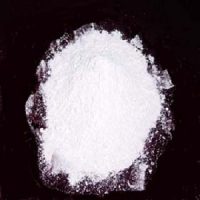
Sodium bicarbonate (NaHCO3), commonly known as baking soda, is a crystalline inorganic salt celebrated for its mild alkalinity (pH 8.3–9.0) and versatile acid-neutralizing capacity. While internet lore frequently misrepresents it as an all-purpose household cure-all, modern dermatology and gastroenterology recognize only a targeted subset of safe, scientifically validated applications. Understanding the biochemical boundaries of sodium bicarbonate allows you to harness its proven benefits for oral biofilm reduction, acute antacid relief, and keratin brightening without disrupting the delicate acidic mantle of human skin or inducing systemic metabolic toxicity.
Clinical Redlines: Critical Baking Soda Hazards & Limitations
Sodium bicarbonate (NaHCO3) is chemically active (pH 8.3–9.0). Observe these mandatory safety redlines:
- Gastric Rupture Hazard: Never consume baking soda when excessively full from food or beverages. The instant chemical neutralization generates massive volumes of carbon dioxide (CO2) gas, which can cause life-threatening acute gastric perforation.
- Systemic Metabolic Alkalosis: Chronic ingestion or doses exceeding 1/2 teaspoon can induce systemic alkalosis, hypernatremia, and hypokalemia—extremely dangerous in individuals with hypertension, kidney disease, or cardiac failure.
- Facial Skin Acid Mantle Destruction: Human skin requires an acidic pH (4.5–5.5). Never apply baking soda scrubs or spot treatments to the face; alkaline disruption strips essential ceramides, induces trans-epidermal water loss (TEWL), and provokes chemical contact dermatitis.
Core Takeaways & Practical Blueprint
- Targeted Oral Hygiene: Baking soda features an exceptionally low Relative Dentin Abrasivity (RDA ~7), making it an effective, enamel-safe buffering agent for neutralizing cariogenic plaque acids and lifting extrinsic stains.
- Emergency Gastric Rescue Only: Limit internal ingestion strictly to occasional, short-term relief (1/2 teaspoon in 4 oz of water) to prevent excessive sodium loading and avoid rebound hyperacidity.
- Body Over Face: Confine topical applications strictly to resilient keratinized tissues—such as feet, nails, or diluted colloidal baths for severe itch—while strictly protecting vulnerable facial skin barriers.
- Always Counterbalance Alkalinity: When utilizing baking soda as an occasional clarifying hair wash, always follow immediately with an acidic rinse (such as diluted apple cider vinegar) to restore hair cuticles to physiological pH.

6 Evidence-Based Uses for Baking Soda: Safe Health Remedies and Beauty Protocols
When used with biochemical precision, sodium bicarbonate functions as an accessible, multi-modal household agent. Below are the 6 evidence-based applications that maximize clinical efficacy while respecting physiological safety boundaries:
1. Oral Dental Biofilm and Acid Neutralization
In oral healthcare, sodium bicarbonate provides dual benefits: chemical neutralization of microbial acids and gentle mechanical removal of extrinsic surface stains. Oral biofilm bacteria, particularly Streptococcus mutans, metabolize dietary sugars into lactic acid. When salivary pH drops below the critical threshold of 5.5, hydroxyapatite crystals within tooth enamel begin to demineralize, initiating dental caries and enamel erosion.
Sodium bicarbonate acts as an immediate alkaline buffer, raising oral pH above neutrality (pH 7.0–8.0), halting acid-mediated demineralization, and inhibiting bacterial glycosyltransferase enzymes that glue plaque to enamel. Furthermore, while baking soda feels powdery and slightly gritty between fingertips, dental measurements demonstrate an exceptionally mild abrasive profile. On the Relative Dentin Abrasivity (RDA) index—where conventional toothpastes range from 30 to 150 and whitening formulations frequently exceed 150—pure baking soda registers an RDA of approximately 7. In clinical evaluations, including a comprehensive review published in PubMed on the abrasivity and stain removal of baking soda dentifrices, sodium bicarbonate dentifrices demonstrated superior stain removal and plaque biofilm clearance with significantly lower hard-tissue abrasion than silica-based abrasives.
Clinical Protocol: Moisten a soft-bristled toothbrush, lightly dip the tip into pure food-grade baking soda powder, and brush gently in small circular motions for 2 minutes before rinsing thoroughly with warm water. Repeat 2 to 3 times weekly, or utilize an ADA-accepted fluoride toothpaste formulated with sodium bicarbonate for balanced daily remineralization and acid buffering.
2. Acute Gastric Hyperacidity Temporary Relief
Sodium bicarbonate functions as an efficient, rapid-acting chemical antacid for acute pyrosis (heartburn) and gastric acid indigestion. Upon entering the stomach lumen, sodium bicarbonate reacts instantaneously with free hydrochloric acid (HCl) in a classic neutralization reaction: NaHCO3 + HCl → NaCl + H2O + CO2. This reaction promptly elevates intragastric pH, reducing proteolytic pepsin activity and relieving the burning sensation of acid reflux.
However, because of its swift kinetics and high sodium content, baking soda must be reserved strictly as an occasional emergency antacid rather than a chronic therapy. Overconsumption or ingesting baking soda on an excessively full stomach carries severe clinical dangers. The rapid generation of carbon dioxide gas within a distended stomach can provoke fatal gastric rupture. Furthermore, recurrent ingestion floods the bloodstream with unabsorbed sodium and bicarbonate ions, inducing acute metabolic alkalosis, hypernatremia, hypokalemia, and reactive gastric hypersecretion (acid rebound). As highlighted by clinical reports in PubMed on systemic toxicity and metabolic alkalosis from baking soda ingestion, chronic unmeasured self-dosing poses severe toxicological risks, particularly for patients with hypertension or renal insufficiency. For long-term gastrointestinal comfort, explore safe home remedies for indigestion and reflux that avoid systemic electrolyte disturbance.
Clinical Protocol: Dissolve strictly 1/2 level teaspoon (approximately 2.5 grams) of sodium bicarbonate in 4 to 6 ounces of room-temperature water. Stir until completely dissolved and sip slowly. Never administer to children under 12, never repeat within 2 hours, and do not exceed 3 doses in a 24-hour period.
3. Anti-Pruritic Soaks for Insect Bites and Poison Ivy Irritation
Cutaneous pruritus resulting from mosquito bites, bee stings, or allergic contact dermatitis (such as urushiol oil from poison ivy or poison oak) involves intense local histamine release and dermal inflammation. Certain insect venoms also contain formic acid and acidic kinins that stimulate superficial nociceptors and peripheral unmyelinated C-nerve fibers, provoking sharp itching and erythema.
Sodium bicarbonate provides symptomatic relief through mild alkaline buffering and osmotic membrane stabilization. When applied topically to localized irritations, a concentrated sodium bicarbonate slurry helps neutralize acidic venom components, calms neurogenic inflammation, and exerts a cooling, anti-pruritic drying effect on weeping vesicular lesions without the need for topical corticosteroids.
Clinical Protocol: For discrete insect bites, mix 3 parts baking soda with 1 part cool purified water to form a thick, uniform paste. Apply a coin-sized dollop directly over the bite, allow it to remain for 10 minutes, and rinse away with cool water. For widespread poison ivy rash or generalized itching, dissolve 1 to 2 cups of pure baking soda into a tub of tepid bathwater. Soak the affected limbs or body for 15 to 20 minutes, gently pat the skin dry with a clean cotton towel, and immediately apply a soothing hypoallergenic barrier lotion.
4. Occasional Clarifying Hair Rinse for Product Buildup
Hair fibers and scalp sebum are constantly exposed to environmental particulate matter, silicone-based conditioning polymers (such as dimethicone and amodimethicone), hard-water mineral ions (calcium, magnesium, iron), and styling resins. Over weeks of product layering, these residues form an insoluble occlusive coating across the hair shaft, leaving tresses dull, weighed down, brittle, and unresponsive to standard moisturizing treatments.
Sodium bicarbonate’s alkaline pH (8.3) functions as a clarifying agent by transiently raising and swelling the hair cuticle scales, allowing alkaline saponification and detachment of stubborn sebum polymers and polyquaternium complexes that sulfate-free shampoos fail to remove. However, because human hair fibers possess an isoelectric point of approximately pH 3.7 and the healthy scalp maintains a pH of 5.5, leaving cuticle scales swollen invites cuticle fracture, frizz, and moisture loss. Therefore, any baking soda hair cleanse must be paired with an immediate acidic closing rinse.
Clinical Protocol: Combine 1 level teaspoon of baking soda with your usual dollop of sulfate-free clarifying shampoo. Gently massage into the roots and hair shaft for 60 seconds, then rinse thoroughly with warm water. Immediately follow with an acidic balancing rinse composed of 1 to 2 tablespoons of organic apple cider vinegar diluted in 2 cups of cool water. Pour the vinegar solution through the hair, leave for 1 minute, and rinse with cold water to reseal cuticle shingles and restore natural luster. Limit this intensive protocol strictly to once every 4 to 6 weeks.
5. Neutralizing Antimicrobial Foot Soak for Bromhidrosis
Plantar bromhidrosis (severe foot odor) is an embarrassing and persistent condition driven by the unique microenvironment of the feet. Human soles contain over 250,000 eccrine sweat glands. When trapped inside socks and shoes, moisture and warmth allow commensal cutaneous bacteria—primarily Brevibacterium species, Staphylococcus epidermidis, and Corynebacterium—to metabolize sweat lipids and stratum corneum keratin into pungent, volatile short-chain fatty acids.
The chief culprit behind pungent foot odor is isovaleric acid (3-methylbutanoic acid), an organic carboxylic acid with a distinctive rancid aroma. Sodium bicarbonate operates not by masking odor with fragrance, but through genuine biochemical neutralization. Being a basic salt, NaHCO3 donates bicarbonate ions that react with isovaleric acid, transforming volatile, foul-smelling molecules into non-volatile, odorless sodium isovalerate salts and water. Concurrently, the alkaline soak inhibits fungal spore germination (such as Trichophyton rubrum, the pathogen responsible for tinea pedis / athlete’s foot), creating an inhospitable terrain for fungal overgrowth.
Clinical Protocol: Add 1/4 cup of baking soda and 2 tablespoons of Epsom salt (magnesium sulfate) to a basin filled with warm water. Submerge clean feet for 15 to 20 minutes, 2 to 3 evenings per week. Afterward, dry feet meticulously, paying particular attention to interdigital spaces between the toes to prevent fungal maceration, and dust shoes with a light sprinkle of dry baking soda powder to neutralize residual shoe odor.
6. Safe Nail and Cuticle Surface Brightening
Fingernails and toenails frequently develop stubborn extrinsic yellow or brown surface discolorations resulting from heavily pigmented dark nail enamels, garden soil, occupational dyes, contact with culinary spices (such as turmeric and paprika), or tobacco smoke. Traditional nail brightening regimens often suggest concentrated hydrogen peroxide or harsh bleach, which dehydrate the nail plate, provoke brittle splitting, and risk chemical onycholysis (painful detachment of the nail plate from the underlying bed).
Unlike facial epidermis, the human nail plate consists of 100 to 150 layers of dead, highly compacted, sulfur-cross-linked alpha-keratin sheets that lack an acid mantle or living barrier enzymes. A mild sodium bicarbonate slurry provides safe, non-destructive micro-polishing. The ultra-fine particles mechanically lift stain molecules from superficial keratin grooves without abrading dorsal plate integrity, while the mild alkalinity saponifies stubborn cosmetic waxes and organic pigments.
Clinical Protocol: Combine 1 tablespoon of baking soda with 1/2 teaspoon of 3% medical-grade hydrogen peroxide or freshly squeezed lemon juice to form a smooth paste. Using a soft-bristled manicure brush, gently buff the paste across the surface of bare nails and along cuticle borders for 1 to 2 minutes. Rinse thoroughly with lukewarm water and immediately massage a nutrient-rich botanical oil (such as pure jojoba or squalane oil) into cuticles and nail plates to restore hydration. Reserve this treatment for once every 2 to 3 weeks. To understand how topical treatments differ across distinct body tissues, review our guide to evidence-based home remedies for radiant skin.
Evidence-Based Baking Soda Applications: Comparative Protocol Matrix
| Application & Protocol | Target Tissue & Primary Mechanism | Safety Boundary & Maximum Frequency |
|---|---|---|
| 1. Oral Dentifrice & Buffer | Dental enamel & salivary pellicle; RDA ~7 mild abrasivity lifts extrinsic stains and elevates oral pH above 5.5 to prevent demineralization | 2–3 times weekly with soft bristles, or daily within an ADA-accepted fluoride toothpaste formula |
| 2. Acute Gastric Antacid | Gastric lumen & hydrochloric acid; rapid stoichiometric neutralization into NaCl, water, and CO2 | Strict emergency dose: 1/2 tsp in 4–6 oz water; max 3 doses/day, never on an overly full stomach |
| 3. Anti-Pruritic Cutaneous Soak | Superficial unmyelinated C-nerve fibers & histaminic receptors; neutralizes acidic insect venoms and calms dermal pruritus | 10-minute local bite paste or 15–20-minute tepid bath soak; use as needed during acute inflammatory flare-ups |
| 4. Clarifying Hair Wash | Hair shaft cuticles & sebum buildup; alkaline swelling lifts stubborn silicones, mineral deposits, and polyquaternium residues | Once every 4–6 weeks only; mandatory follow-up with acidic apple cider vinegar rinse to flatten cuticle scales |
| 5. Deodorizing Foot Soak | Plantar stratum corneum & eccrine sweat; chemically neutralizes volatile isovaleric acid into odorless sodium isovalerate | 15–20 minutes, 2–3 times weekly; dry thoroughly between toes to prevent fungal maceration |
| 6. Keratin Nail Brightening | Nail plate cross-linked alpha-keratin; safe micro-polishing of extrinsic cosmetic, culinary, and nicotine stains | 1–2 minutes buffing once every 2–3 weeks; immediately follow with cuticle oil to restore hydration |
Dangerous Pitfalls: What NOT to Do with Baking Soda
Online wellness forums frequently circulate dangerous, biochemically ungrounded baking soda hacks. Avoid these critical mistakes to protect your dermal barrier, gastrointestinal health, and physical safety:
- Scrubbing Facial Acne Lesions or Using as a DIY Face Mask: Human facial skin maintains a delicate acidic mantle with a physiological pH between 4.5 and 5.5. Applying an alkaline baking soda scrub (pH 8.3–9.0) destroys protective ceramides, dissolves lipid bilayers, and halts the enzymatic activity of beta-glucocerebrosidase. This leads to dramatic trans-epidermal water loss (TEWL), severe chemical irritation, and paradoxical flare-ups of Cutibacterium acnes, which thrives when skin acidity is neutralized. Preserving lipid matrix integrity is crucial for skin health, as detailed in our analysis of skin barrier integrity and collagen defense.
- Using Pure Baking Soda as a Daily Underarm Deodorant Without Patch Testing: While sodium bicarbonate neutralizes axillary odors, the underarm skin fold is warm, moist, and vulnerable to mechanical shear. Applying concentrated dry baking soda paste repeatedly causes abrasive micro-tears, severe irritant contact dermatitis, hyperpigmentation, and painful burning rashes. If experimenting with natural deodorants, always conduct a 24-hour patch test and look for formulations with minimal bicarbonate concentrations.
- Replacing Prescribed GERD or Peptic Ulcer Medications: Sodium bicarbonate provides short-lived acid neutralization but triggers “acid rebound.” Once intragastric pH rises too sharply, gastric G-cells secrete excessive gastrin hormone, prompting parietal cells to generate even higher volumes of rebound hydrochloric acid. Never substitute baking soda for physician-prescribed proton pump inhibitors (PPIs) or H2 blockers for chronic gastroesophageal reflux disease or peptic ulcers.
- Combining Baking Soda with Concentrated Acids in Sealed Glass Containers: The chemical reaction between sodium bicarbonate and acids (vinegar or lemon juice) generates rapid, high-pressure carbon dioxide gas evolution. Mixing these ingredients inside closed jars or narrow spray bottles creates severe internal pneumatic pressure that can cause glass containers to rupture explosively, causing serious physical and facial trauma. Always prepare DIY mixtures in wide, open bowls.
Frequently Asked Questions (FAQ)
Does baking soda scratch or erode tooth enamel?
No, pure baking soda does not scratch or erode healthy tooth enamel when used properly. Mature human tooth enamel is the hardest biological substance in the body, registering a hardness of 5 on the Mohs scale, whereas sodium bicarbonate crystals have a Mohs hardness of only 2.5. In dental science, abrasiveness is measured via the Relative Dentin Abrasivity (RDA) index. Commercial toothpastes typically range from an RDA of 30 to 150, with intensive whitening pastes reaching up to 200. Pure baking soda registers an RDA of approximately 7, making it one of the least abrasive cleaning agents available. The misconception that baking soda erodes enamel stems from its granular tactile sensation. However, because baking soda contains no fluoride to stimulate enamel remineralization, it should not replace fluoride toothpaste entirely; rotating its use or choosing an ADA-approved baking soda toothpaste provides optimal safety.
Why does baking soda irritate facial skin and cause breakouts?
Baking soda irritates facial skin because of a severe pH incompatibility with the epidermal barrier. Healthy facial skin is shielded by an “acid mantle”—a delicate hydrolipid film maintaining an acidic pH of 4.5 to 5.5. This acidic environment is indispensable for activating key enzymes (such as beta-glucocerebrosidase and sphingomyelinase) that synthesize ceramides, maintain lipid bilayer cohesion, and prevent trans-epidermal water loss (TEWL). Sodium bicarbonate is distinctly alkaline, with a pH ranging between 8.3 and 9.0. Applying it to the face neutralizes the acid mantle, degrades protective lipid structures, and creates micro-fissures in the stratum corneum. Furthermore, neutral or alkaline skin promotes the overgrowth of pathogenic bacteria such as Cutibacterium acnes, causing reactive redness, severe dryness, burning sensation, and exacerbated acne breakouts.
How often can you safely take baking soda for heartburn?
Sodium bicarbonate should be consumed only as an infrequent, emergency home remedy for acute heartburn—no more than once or twice in a given week, and never for more than two consecutive weeks without clinical supervision. Each 1/2 teaspoon of baking soda delivers approximately 616 milligrams of elemental sodium. Chronic or excessive ingestion presents serious systemic risks, including severe sodium retention, elevated blood pressure, systemic metabolic alkalosis, and hypokalemia (dangerously low potassium levels). In addition, when stomach acid is repeatedly neutralized by sodium bicarbonate, the stomach responds by releasing excess gastrin, inducing “rebound hyperacidity” once the bicarbonate clears. If you experience heartburn, acid reflux, or chest burning more than twice a week, you should seek clinical evaluation for gastroesophageal reflux disease (GERD) rather than relying on baking soda.
Disclaimer: This article is intended strictly for educational and informational purposes and does not substitute for professional medical advice, clinical diagnosis, or personalized dermatological or gastrointestinal treatment. Sodium bicarbonate is a pharmacologically active substance with systemic and topical physiological consequences. Never ingest baking soda on an overly full stomach, and avoid chronic ingestion if you have hypertension, kidney disease, or cardiovascular disorders. Always consult your physician or board-certified dermatologist before using home remedies for persistent symptoms.