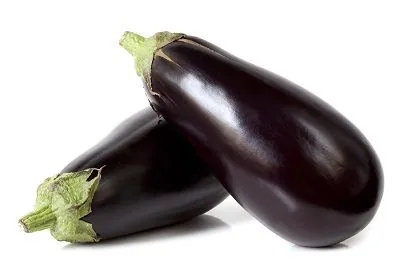
Eggplant (Solanum melongena), an anthocyanin-rich fruit of the nightshade family culinarily classified as a vegetable, provides an extraordinary concentration of bioactive polyphenols and structural polysaccharides within an exceptionally low energy matrix (~25 kcal per 100 grams). Contemporary nutritional biochemistry reveals that eggplant exerts multi-systemic metabolic, vascular, and neuroprotective benefits through targeted enzymatic modulation and fiber hydrodynamics. Clinical and laboratory investigations demonstrate that eggplant’s unique phytochemical profile downregulates key carbohydrate-hydrolyzing enzymes, chelates excess cellular iron to shield phospholipid membranes, upregulates endothelial nitric oxide synthesis, and sequesters intestinal bile acids. The 6 clinically verified health benefits of eggplant encompass endothelial vasodilation and blood pressure modulation via chlorogenic acid and intracellular potassium, neuroprotective lipid membrane preservation through iron-chelating nasunin anthocyanins, postprandial blood glucose stabilization via alpha-glucosidase and pancreatic amylase inhibition, hepatic lipid regulation through micellar bile acid sequestration, sustainable weight management and satiety via low caloric density and soluble pectin expansion, and enhanced colonic mucosal barrier integrity via short-chain fatty acid (SCFA) fermentation.
Quick Nutrition Science & Key Takeaways
- Nasunin Neuroprotective Shield: The intense purple pigment of eggplant peel contains nasunin, a unique delphinidin anthocyanin that chelates catalytic free iron (Fe2+), preventing toxic Fenton reactions and lipid peroxidation in cerebral cellular membranes.
- Enzymatic Glycemic Control: Bioactive hydroxycinnamic acids—predominantly chlorogenic acid—competitively inhibit intestinal alpha-glucosidase and pancreatic amylase, moderating postprandial glucose surges.
- Bile Acid Sequestration: Soluble pectin and insoluble hemicellulose fractions bind hydrophobic bile acids in the jejunum, accelerating fecal sterol excretion and compelling hepatic low-density lipoprotein (LDL) clearance.
Phytochemical Architecture of Solanum melongena: Peels and Pulp
Botanically categorized as a berry, the eggplant belongs to the family Solanaceae, sharing lineage with tomatoes, bell peppers, and potatoes. Analytical profiling of eggplant tissue reveals two distinct morphological compartments of functional phytonutrients: the deeply pigmented epicarp (outer skin) and the spongy, porous mesocarp (inner flesh).
The epicarp derives its glossy dark-violet hue from concentrated monomeric anthocyanins, specifically nasunin (delphinidin-3-(p-coumaroylrutinoside)-5-glucoside). Nasunin represents one of the most chemically stable natural anthocyanins due to its unique acylated glycoside chain, granting it enhanced resilience against gastric enzymatic degradation. Meanwhile, the creamy interior flesh is exceptionally rich in hydroxycinnamic acid conjugates, with chlorogenic acid (5-caffeoylquinic acid) accounting for between 70% and 90% of total phenolic content. According to comprehensive phytochemical evaluations published in the National Center for Biotechnology Information (NCBI) on eggplant anthocyanins and metabolic properties, these compounds work synergistically with dietary fiber to defend against chronic oxidative stress and cardiometabolic dysregulation. To learn how dietary fiber matrices optimize gastrointestinal transit, explore our clinical guide on fiber-forward digestive wellness and gut health.
“Eggplant represents an analytical triumph of functional nutrition: delivering over 90% of its polyphenolic antioxidant capacity through chlorogenic acid and acylated nasunin, while preserving an astonishingly light metabolic footprint of just 25 calories per 100 grams.”
6 Science-Backed Health Benefits of Eggplant
Peer-reviewed nutritional and clinical trials substantiate six targeted physiological advantages associated with regular culinary consumption of whole eggplant:
1. Cardioprotective Vasodilation and Blood Pressure Regulation via Chlorogenic Acid and Potassium
Systemic hypertension and vascular stiffness are leading drivers of cardiovascular morbidity. Eggplant supports vascular tone through a dual mechanism involving phenolic vasoactive compounds and mineral electrolyte dynamics. It supplies approximately 230 mg of bioavailable potassium per 100 grams while containing virtually zero sodium (~2 mg), establishing a favorable Na+-to-K+ ratio that facilitates renal natriuresis and arterial smooth muscle relaxation.
At the biochemical level, chlorogenic acid undergoes enteric esterase cleavage, yielding caffeic and ferulic acids in the circulation. Ferulic acid has been shown to upregulate endothelial nitric oxide synthase (eNOS) transcription while inhibiting the expression of NAD(P)H oxidase, a primary enzyme generator of vascular superoxide radicals (O2•−). By preserving nitric oxide (NO) bioavailability and preventing its rapid scavenging into cytotoxic peroxynitrite (ONOO−), eggplant bioactives promote cyclic guanosine monophosphate (cGMP)-dependent vasodilation, reducing peripheral vascular resistance. Pairing these nutritional attributes with our evidence-based protocols on dietary and lifestyle strategies for high blood pressure provides synergistic cardiovascular defense.
2. Neuroprotective Membrane Lipid Peroxidation Shielding via Nasunin Iron Chelation
The human brain is particularly susceptible to oxidative lipid damage due to its immense oxygen consumption, high concentrations of polyunsaturated fatty acids (such as docosahexaenoic acid, DHA), and relatively low endogenous antioxidant enzyme reserves. Cellular iron homeostasis is critical in this context: unbound free ferrous iron (Fe2+) participates in Fenton reactions with hydrogen peroxide, generating highly destructive hydroxyl radicals (•OH) that initiate chain-reaction lipid peroxidation of neuronal cell membranes.
Nasunin acts as a formidable endogenous iron-chelating agent. Research demonstrates that nasunin binds selectively to catalytic unbound Fe2+ ions, forming a stable coordination complex that prevents the generation of reactive hydroxyl radicals. By neutralizing iron-mediated hydroxyl radical cascades, nasunin preserves the integrity and fluidity of neuronal phospholipid bilayers, protects mitochondrial membranes from apoptotic depolarization, and protects microvascular cerebral endothelial cells from senescence. Because nasunin is concentrated almost exclusively within the deep purple skin, retaining the peel during culinary preparation is essential to capture these neuroprotective properties.
3. Postprandial Glycemic Attenuation via Carbohydrate Hydrolysis Enzyme Inhibition
Type 2 diabetes and impaired glucose tolerance are exacerbated by rapid postprandial glucose absorption across the brush border membrane of the small intestine. Eggplant extract exhibits potent, dose-dependent inhibitory activity against two master carbohydrate-digesting enzymes: intestinal alpha-glucosidase and salivary/pancreatic alpha-amylase.
Phenolic chlorogenic acid and caffeic acid derivatives bind directly to the active catalytic pockets of alpha-glucosidase, significantly slowing the enzymatic cleavage of complex dietary polysaccharides and disaccharides into absorbable free D-glucose. Clinical research documented in the NCBI analysis of Solanum melongena phenolic fractions on glycemic control reveals that eggplant extracts exert high alpha-glucosidase inhibition coupled with moderate alpha-amylase inhibition—an optimal clinical ratio that blunts postprandial glycemic excursions without causing the excessive carbohydrate fermentation, flatulence, and abdominal cramping commonly associated with synthetic alpha-glucosidase inhibitors like acarbose. For comprehensive integrative strategies, review our guide on managing diabetes with natural remedies and diet.
4. Hepatic Cholesterol Clearance via Intraluminal Bile Acid Sequestration
Maintaining healthy circulating lipid fractions requires both curbing endogenous cholesterol synthesis and facilitating the continuous excretion of sterols. Eggplant possesses remarkable in vitro and in vivo bile acid binding capacity that rivals pharmaceutical bile acid sequestrants on an equivalent dry-matter basis.
The porous, spongy mesocarp of eggplant contains an intricate network of soluble pectin and insoluble lignin fibers. In the acidic-to-neutral environment of the duodenum and jejunum, these fibers form a viscous matrix that electrostatically and hydrophobically traps conjugated bile acids (cholic and chenodeoxycholic acids). By preventing their normal reabsorption via apical sodium-dependent bile acid transporters (ASBT) in the terminal ileum, eggplant fiber expels bile acids into the stool. To compensate for this interrupted enterohepatic circulation, the liver must synthesize replacement bile salts from scratch, pulling circulating low-density lipoprotein cholesterol (LDL-C) out of systemic circulation by upregulating hepatic LDL receptors (LDLR). Combining eggplant with our clinically tested methods for managing high cholesterol naturally provides comprehensive atherogenic lipid management.
5. Caloric Displacement and Satiety Regulation via Low Energy Density and Pectin Gelation
Sustainable body weight management hinges upon food volume, energy density, and gastrointestinal satiety signaling rather than severe caloric deprivation. Raw and steamed eggplant boasts an exceptionally low caloric density: a generous 100-gram portion supplies roughly 25 kcal while delivering 3.4 grams of complex dietary fiber and more than 92% structural cellular water.
When consumed as part of a meal, the soluble pectin fractions in eggplant absorb surrounding gastric juices, expanding into a viscous, cohesive gel matrix that increases bolus volume. This gastric distension activates intragastric mechanoreceptors, sending vagal afferent signals to the nucleus tractus solitarii (NTS) in the brainstem, which promotes early meal termination. Furthermore, delayed gastric emptying extends the transit time of nutrients into the duodenum, sustaining the prolonged postprandial release of anorexigenic satiety peptides, specifically peptide YY (PYY) and cholecystokinin (CCK), effectively blunting rebound hyperphagia and hedonic snacking between meals.
6. Colonic Epithelial Integrity and Short-Chain Fatty Acid (SCFA) Synthesis
Beyond its mechanical actions in the upper gastrointestinal tract, the non-digestible structural carbohydrate matrix of eggplant acts as a vital prebiotic substrate for the distal gut microbiome. While human digestive enzymes cannot cleave the beta-glycosidic bonds of eggplant cellulose and hemicellulose, commensal colonic anaerobes (such as Bifidobacterium, Faecalibacterium prausnitzii, and Roseburia) rapidly ferment these complex fibers.
Microbial saccharolytic fermentation of eggplant polysaccharides yields substantial concentrations of short-chain fatty acids (SCFAs), predominantly acetate, propionate, and butyrate. Butyrate serves as the primary metabolic energy fuel for colonocytes, upregulating tight junction claudin-1 and occludin protein synthesis to fortify the intestinal mucosal barrier against lipopolysaccharide (LPS) endotoxin leakage. Propionate enters the portal circulation to downregulate hepatic fatty acid synthase, while acetate circulates systemically to stimulate peripheral insulin sensitivity and activate G-protein coupled receptors (GPR41/43) that curb chronic low-grade systemic inflammation.
Mechanistic Matrix of Eggplant Bioactive Compounds
| Phytochemical / Bioactive Fraction | Biochemical Target & Physiological Pathway | Clinical Evidence Level | Culinary Preparation & Bioavailability Tip |
|---|---|---|---|
| 1. Chlorogenic Acid & Potassium | Suppresses vascular NAD(P)H oxidase; elevates endothelial eNOS nitric oxide generation. | High (Extensive cardiovascular cohort and biomarker studies). | Steam, roast, or bake; avoid heavy oil absorption to protect caloric density. |
| 2. Nasunin (Delphinidin Glucoside) | Chelates unbound Fe2+; halts Fenton reactions and neuronal membrane lipid peroxidation. | High (In vitro and neurological membrane antioxidant trials). | Always consume with intact peel; peeling eliminates nearly 100% of nasunin content. |
| 3. Hydroxycinnamic Acid Derivates | Competitive inhibition of intestinal alpha-glucosidase; slows postprandial glucose influx. | Moderate-High (Enzyme kinetics and diabetic animal models). | Consume alongside complex starch meals to maximize carbohydrate-buffering effects. |
| 4. Soluble Pectin & Hemicellulose | Binds intraluminal bile acids; promotes fecal excretion and upregulates hepatic LDLR. | High (Bile-acid sequestration assays and lipid panels). | Cooked eggplant increases bile-acid binding capacity compared to raw preparations. |
| 5. Low Energy Hydrated Matrix | Distends gastric mechanoreceptors; triggers vagal CCK and PYY satiety signaling cascades. | High (Volumetric dietary intervention consensus). | Use as a volumetric base in ratatouille, stews, or grilled dishes to displace refined grains. |
| 6. Prebiotic Polysaccharide Fibers | Colonic microbial fermentation to SCFAs (butyrate, propionate); seals mucosal tight junctions. | Moderate-High (Microbiome metagenomic and gut integrity trials). | Incorporate regularly into varied plant-rich diets to sustain gut microbiota diversity. |
Debunking the Nicotine Myth & Nightshade Safety Realities
Few vegetables are surrounded by as much nutritional lore and dietary controversy as eggplant. Addressing these claims with modern biochemical facts ensures safe and rational culinary integration:
- The “Eggplant Helps You Quit Smoking” Myth: A persistent internet rumor claims that eating eggplant can curb nicotine withdrawal symptoms or replace smoking because it contains nicotine. Pharmacological testing confirms that eggplant does contain minuscule trace amounts of solanaceous pyridine alkaloids, measuring roughly 100 nanograms (0.1 μg) of nicotine per gram of fresh fruit. To put this in clinical perspective, a single commercial cigarette delivers approximately 1 to 2 milligrams (1,000 to 2,000 μg) of bioavailable systemic nicotine. You would need to consume more than 20 pounds (9 to 10 kilograms) of raw eggplant in a single sitting to absorb the nicotine equivalent of smoking one cigarette. Eggplant is an extraordinary functional food, but it is not a smoking cessation therapy.
- Solanine and Nightshade Joint Inflammation Claims: Like all members of the Solanaceae family, eggplant produces low concentrations of glycoalkaloids, primarily solamargine and solasonine, which serve as natural botanical defenses against pests and fungal pathogens. In ripe commercial eggplants, these levels are well below toxicology thresholds (~0.05 mg/g). Controlled clinical trials have repeatedly failed to demonstrate any causal link between dietary nightshade consumption and systemic joint inflammation or rheumatoid arthritis progression. However, cooking, steaming, or roasting further reduces active glycoalkaloids while breaking down tough cellulose walls, rendering them completely benign for the general population.
- Calcium Oxalate Nephrolithiasis Considerations: Eggplant contains moderate amounts of soluble oxalates (~18 mg per 100 g). While harmless for individuals with normal renal clearance, patients with a history of recurrent calcium oxalate kidney stones should avoid consuming excessive quantities of concentrated dehydrated eggplant and ensure adequate fluid intake alongside dietary calcium to precipitate oxalates harmlessly in the gut lumen.
Disclaimer: This article is for informational purposes only and is not intended as medical advice. Always consult with a qualified healthcare professional before making changes to your health regimen.
Frequently Asked Questions (FAQ)
Does cooking or roasting destroy the beneficial nasunin antioxidants in eggplant skin?
No, nasunin is an acylated delphinidin anthocyanin, a unique biochemical structure that confers significantly higher thermal stability than the non-acylated anthocyanins found in soft berries. While prolonged high-heat deep-frying in oil can cause oxidative degradation and excessive oil absorption, moderate culinary methods such as baking, steaming, or brief sautéing at 350°F (175°C) preserve over 80% to 90% of intact nasunin while increasing the bioaccessibility of chlorogenic acid in the pulp.
Why does eggplant flesh turn brown quickly after slicing, and does it reduce nutritional value?
The browning of freshly sliced eggplant is caused by polyphenol oxidase (PPO) enzymes. When cell walls are ruptured by cutting, PPO catalyzes the oxidation of chlorogenic acid into ortho-quinones, which polymerize into dark brown melanin pigments upon contact with atmospheric oxygen. While this minor enzymatic browning slightly alters flavor and appearance, it does not destroy core dietary fiber or minerals. You can easily halt PPO enzymatic browning by immediately tossing cut eggplant with fresh lemon juice (citric acid lowers pH below PPO’s active threshold) or submerging slices in cold salted water.
Is it necessary to salt eggplant before cooking to remove bitterness?
Modern commercial eggplant cultivars have been selectively bred over decades to possess virtually none of the intense bitter alkaloids that characterized historical heirloom varieties. Salting modern eggplant is no longer chemically necessary to purge bitterness. However, salting still serves a valuable culinary physics function: osmotic pressure draws cellular water out of the spongy mesocarp pockets, collapsing air cells and preventing the eggplant from absorbing excessive cooking oil during pan roasting.
Can people with autoimmune diseases or arthritis eat eggplant safely?
Yes, the vast majority of individuals with autoimmune or inflammatory joint conditions can safely enjoy eggplant. Comprehensive epidemiological data and systematic rheumatology reviews find no evidence that solanaceous vegetables promote systemic inflammation; in fact, eggplant’s potent chlorogenic acid and anthocyanin antioxidants downregulate inflammatory cytokines like TNF-alpha and interleukin-6. Only the rare subset of individuals with an objectively diagnosed personal allergic sensitivity to Solanaceae glycoalkaloids needs to exclude eggplant from their diet.