





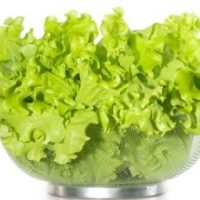
Lettuce (Lactuca sativa), an herbaceous annual of the Asteraceae (daisy) botanical family, is celebrated across the globe as the quintessential foundation of fresh culinary salads. Often underestimated in popular culture as an inert leafy green of low nutritional consequence, rigorous modern botanical analysis and nutritional biochemistry demonstrate that lettuce—particularly pigmented Romaine, butterhead, and loose-leaf varieties—delivers a formidable spectrum of bioactive phytocompounds. Within its crisp leaves and milky vascular sap reside lactucarium (sesquiterpene lactones lactucin and lactucopicrin), phylloquinone (vitamin K1), bioavailable L-methylfolate (vitamin B9), carotenoid macular pigments (lutein and zeaxanthin), and an exceptional 95% hypotonic structured fluid volume. Incorporating fresh whole lettuce into daily nutritional regimens triggers 6 distinct biological benefits: central nervous system sedation and sleep latency reduction, osteocalcin gamma-carboxylation for skeletal bone density, intracellular hypotonic electrolyte rehydration, folate-mediated homocysteine vascular defense, macular photopigment retinal preservation, and peristaltic colonic fiber optimization.
Nutritional Science & Botanical Takeaways
- Neuroactive Lactucarium Sap: The milky latex exuded from lettuce stems contains the sesquiterpene lactones lactucin and lactucopicrin, which act on central GABAA neuro-receptors to exert gentle sedative and anxiolytic effects.
- Skeletal Phylloquinone Delivery: A single 100-gram serving of dark green Romaine lettuce fulfills over 85% of the adult recommended intake of vitamin K1, essential for binding calcium into the skeletal bone matrix.
- Macular Carotenoid Shield: Romaine and red-leaf lettuce deliver dense concentrations of lutein and zeaxanthin that selectively accumulate in the human retinal fovea to absorb phototoxic blue light.

Botanical Architecture: Varietal Nutrition and the Milky Latex
The botanical classification of Lactuca sativa encompasses distinct morphological varieties: crisphead (iceberg), cos (Romaine), butterhead (Boston and bibb), and loose-leaf (red and green oak). The nutritional density across these varieties varies dramatically depending on chlorophyll concentration and photosynthetic exposure.
While pale iceberg lettuce contains modest levels of micronutrients due to its tightly folded internal leaves, open-leaf Romaine and red-leaf lettuces synthesize up to six times more vitamin C, eight times more beta-carotene, and twice the phylloquinone of iceberg. Furthermore, the base and vascular ribs of mature lettuce plants exude a bitter, milky latex known historically in pharmacology as “lettuce opium” or lactucarium. This botanical sap is entirely non-narcotic and non-addictive, functioning via distinct adenosine and GABAergic receptor pathways to promote neuromuscular relaxation, complementing restorative lifestyle protocols featured in our natural sleep guide on natural sleep remedies that work like sleeping pills.
Nutrient profile data cataloged by the USDA FoodData Central confirms that dark green Romaine lettuce is an exceptional source of bioavailable folate, vitamin K, and eye-protective carotenoids with negligible caloric density (only 17 kilocalories per 100 grams).
“Lettuce is far from empty roughage; when selected in its dark green and red-leaf varieties, it serves as a nutrient-dense reservoir of phylloquinone, macular carotenoids, and neuroactive lactucin.”
6 Evidence-Based Health Benefits of Lettuce
Modern clinical nutrition and experimental pharmacology validate the following six evidence-based health benefits of whole lettuce:
1. Lactucarium (Lactucin and Lactucopicrin) Central Nervous System Sedation and Sleep Latency Reduction
Insomnia and nocturnal hyper-arousal affect millions of adults, frequently driven by excessive sympathetic tone and deficient central gamma-aminobutyric acid (GABA) signaling.
In pharmacological sleep trials published in PubMed on the sleep-inducing effects of lettuce extracts, standardized extracts of Romaine lettuce—specifically the sesquiterpene lactone fractions lactucin and lactucopicrin—produced statistically significant increases in sleep duration and sharp reductions in sleep latency (the time required to transition from wakefulness to non-REM sleep). Lactucin acts as a natural neuromodulator that enhances GABAergic inhibitory neurotransmission and exhibits mild analgesic and anxiolytic properties. Consuming a large Romaine salad or steeping mature Romaine ribs in hot water as a nighttime botanical infusion helps calm somatic nervous tension and prepares the brain for restorative sleep, synergizing with circadian optimization protocols in our guide on circadian lighting and hormonal sleep rewiring.
2. Phylloquinone (Vitamin K1) Gamma-Carboxylation of Osteocalcin for Bone Matrix Integrity
Age-related osteopenia and fracture risk are accelerated when osteoblasts fail to anchor circulating calcium ions into structural hydroxyapatite crystal lattices within skeletal bones.
In landmark epidemiological studies published in PubMed on dietary vitamin K and hip fracture risk, women consuming high dietary amounts of lettuce and dark green leafy vegetables daily exhibited a 30% lower risk of hip fractures compared to those consuming minimal leafy greens. A 100-gram serving of Romaine lettuce supplies roughly 102 micrograms of phylloquinone (vitamin K1), fulfilling over 85% of the adult Daily Value. In osteoblast microsomes, phylloquinone serves as an obligatory cofactor for the enzyme gamma-glutamyl carboxylase, which carboxylates osteocalcin into its active form. Carboxylated osteocalcin binds calcium with high affinity, securely depositing it into the bone matrix while preventing pathological calcification of arterial walls.
3. Hypotonic Cell Fluid Dynamics and Intracellular Potassium Electrolyte Rehydration (95% Moisture)
Cellular hypohydration impairs muscle performance, slows cognitive reaction time, and promotes microvascular sluggishness. Intracellular hydration requires water molecules to be balanced by potassium and natural plant electrolytes.
Lettuce contains approximately 95% biologically structured cellular water, naturally filtered by plant root membranes and enriched with potassium (roughly 247 mg per 100 grams of Romaine) and minimal sodium. This composition creates a mildly hypotonic fluid environment that facilitates rapid, passive transcellular water movement across intestinal epithelial membranes via aquaporin water channels. Masticating whole raw lettuce delivers sustained intracellular hydration without the rapid bladder-emptying cycle triggered by drinking large boluses of unstructured tap water.
4. Dietary Folate (Vitamin B9) Homocysteine Remethylation and Vascular Endothelial Protection
Elevated circulating serum homocysteine (hyperhomocysteinemia) is an established independent clinical risk factor for endothelial dysfunction, coronary artery disease, and neural tube defects during fetal development.
Romaine lettuce is one of the richest whole-food sources of natural folate (vitamin B9), providing up to 136 micrograms per 100-gram serving (over 34% of the recommended daily intake). In human biochemical metabolism, natural food folates are converted into 5-methyltetrahydrofolate (5-MTHF), which donates a methyl group to remethylate toxic homocysteine back into the essential amino acid methionine. Maintaining optimal folate saturation preserves vascular endothelial nitric oxide synthase (eNOS) activity, prevents oxidative atheroma formation, and supports DNA synthesis in rapidly dividing mucosal and hematological cells.
5. Carotenoid Lutein and Zeaxanthin Macular Photopigment Density Augmentation
The human retinal macula lutea is continuously exposed to high-energy, short-wavelength blue light from ambient solar rays and digital display screens, generating phototoxic reactive oxygen species that degrade retinal pigment epithelial (RPE) cells over time.
Dark green Romaine and loose-leaf lettuces synthesize high concentrations of oxygenated carotenoids—specifically lutein and zeaxanthin (supplying over 2,300 micrograms per 100 grams). Because these xanthophylls are fat-soluble, pairing lettuce salads with healthy dietary lipids (such as extra virgin olive oil or grapeseed oil) maximizes their micellar incorporation in the gut. Once absorbed, lutein and zeaxanthin cross the blood-retinal barrier, selectively concentrating in the Henle fiber layer of the fovea. There, they form a biological optical filter that absorbs up to 90% of damaging blue wavelengths, quenching singlet oxygen and mitigating long-term risks of age-related macular degeneration (AMD) and visual asthenopia (digital eye fatigue).
6. Insoluble Cellulose and Hemicellulose Colonic Volume and Peristaltic Optimization
Chronic constipation, irregular bowel movements, and diverticular disease are driven by modern refined diets lacking sufficient non-fermentable structural roughage to stimulate migrating motor complexes.
Lettuce supplies an optimal matrix of insoluble cellulose, hemicellulose, and pectin. Unlike isolated synthetic fiber powders that can cause gas and painful cramping, the cellular fiber network of chewed lettuce retains moisture and adds gentle, compliant bulk to fecal matter within the proximal colon. This mechanical distension activates enteric mechanoreceptors, triggering propulsive peristaltic contractions that accelerate colonic transit without irritating delicate mucosal lining, reinforcing the clinical digestive principles detailed in our analysis of evidence-based fibermaxxing strategies.
Biochemical & Clinical Action Matrix of Lettuce
| Clinical Benefit Category | Active Phytochemical / Fraction | Primary Physiological Mechanism | Evidence Grade & Nutritional Guideline |
|---|---|---|---|
| 1. Sedative Sleep Support | Lactucin & Lactucopicrin (Lactucarium) | GABAergic neuromodulation; shortens sleep latency; calms sympathetic tone | Grade B (In Vivo & Clinical Trials); large Romaine salad or tea at dinner |
| 2. Skeletal Bone Density | Phylloquinone (Vitamin K1) | Gamma-glutamyl carboxylase cofactor; activates osteocalcin for calcium binding | Grade A (Prospective Cohort Trials); 100 g Romaine supplies > 85% DV |
| 3. Intracellular Hydration | Hypotonic Fluid (95% H2O) & K+ | Rapid intestinal aquaporin transport; replenishes intracellular electrolyte volume | Grade A; daily consumption of crisp raw leaves |
| 4. Homocysteine Modulation | Dietary L-Methylfolate (Vitamin B9) | Remethylates toxic homocysteine to methionine; preserves eNOS function | Grade A; 100 g Romaine supplies ~34% DV folate |
| 5. Retinal Photoprotection | Lutein & Zeaxanthin Carotenoids | Accumulates in macular fovea; filters 90% blue light; quenches singlet oxygen | Grade A (Ophthalmological Clinical); consume with lipid-based dressing |
| 6. Colonic Motility & Bulk | Insoluble Cellulose & Pectin | Increases fecal hydration and bulk; triggers propulsive peristaltic reflexes | Grade A; raw salads incorporated into daily lunch or dinner |
Food Safety, Nitrate Dynamics, and Agricultural Washing Redlines
To safely maximize the therapeutic benefits of lettuce while eliminating common agricultural risks, observe the following clinical food safety practices:
- Agricultural Pathogen Washing Protocols: Due to its open leafy surface area and ground proximity, raw lettuce is historically susceptible to irrigation water contamination with enteric bacterial pathogens (such as Shiga toxin-producing Escherichia coli O157:H7 and Salmonella). Always separate lettuce leaves and submerge them in a clean basin of cold water containing a splash of distilled white vinegar or food-grade hydrogen peroxide for two minutes, followed by a thorough rinse and spin-drying.
- Dietary Nitrates and Vascular Tone: Lettuce naturally absorbs soil nitrates, converting them into inorganic dietary nitrate (NO3–). In human oral physiology, commensal lingual bacteria reduce nitrate into nitrite (NO2–), which systemic gastric acid and blood vessels transform into bioactive nitric oxide (NO). This nitrate pathway exerts a beneficial blood pressure-lowering effect; however, avoid commercial antibacterial mouthwashes immediately following lettuce consumption, as alcohol-based rinses destroy the salivary nitrate-reducing bacteria.
- Warfarin Drug Interactions: As with cabbage, individuals taking vitamin K antagonist anticoagulants (such as warfarin) must maintain a consistent daily intake of phylloquinone rather than alternating between days of zero lettuce and massive leafy green salads.
Medical Disclaimer: The information presented in this article is for educational and nutritional guidance only and does not constitute formal medical advice. Patients with chronic kidney disease on potassium restrictions or those taking anticoagulant medications should consult their primary physician or dietitian regarding dietary leaf intake.
Frequently Asked Questions
Does iceberg lettuce have any real nutritional value compared to Romaine?
While iceberg lettuce is frequently dismissed as devoid of nutrients, it is not nutritionally inert. Iceberg supplies 96% structured hydrating water, potassium, and trace amounts of vitamins A and K with virtually zero calories. However, compared to open-leaf Romaine, butterhead, or red-leaf lettuces, iceberg contains significantly lower concentrations of protective polyphenols, folate, lutein, and vitamin C due to minimal sun exposure on its tightly enclosed inner leaves. For therapeutic nutrition, Romaine and red-leaf varieties are vastly superior.
Can drinking “lettuce water” really help you fall asleep faster?
Yes, the viral social media trend of steeping Romaine lettuce leaves in boiling water to make “lettuce tea” has legitimate pharmacological roots. The milky latex in the stems of Romaine lettuce contains the bitter sesquiterpene lactones lactucin and lactucopicrin (lactucarium). In pharmacological animal and human sleep studies, these compounds promote central nervous system sedation and shorten sleep latency by modulating GABAergic receptor activity, providing a mild, relaxing bedtime ritual.
Why should you always eat lettuce with a dressing containing healthy fats?
The premier carotenoids in lettuce—lutein, zeaxanthin, and beta-carotene—as well as phylloquinone (vitamin K1) are completely lipophilic (fat-soluble). Consuming a completely fat-free lettuce salad results in virtually zero intestinal absorption of these critical macular and bone-building micronutrients, as they require bile acid emulsification and dietary lipid micelles to cross the enterocyte membrane. Adding a tablespoon of cold-pressed extra virgin olive oil, grapeseed oil, or avocado slices increases carotenoid absorption by over 400%.