




Cod liver oil (Gadus morhua) is one of the most historically revered and biochemically potent nutritional elixirs in human medicine. Unlike standard fish body oil, it delivers a unique trifecta: concentrated long-chain marine Omega-3 fatty acids (EPA and DHA) bio-conjugated with naturally occurring, fat-soluble Vitamins A (retinol) and D3 (cholecalciferol). Sourced primarily from the lipid-dense livers of wild Atlantic cod harvested from pristine subarctic waters, this golden oil bridges ancient Nordic nutritional traditions with modern translational lipid biochemistry. When dosed thoughtfully to honor strict micronutrient safety thresholds, cod liver oil delivers exceptional support across cardiovascular endothelial function, bone mineralization, ocular photoreceptor integrity, systemic chronic inflammation quenching, joint stiffness relief, and cutaneous barrier resilience.
Quick Nutrition Science & Key Takeaways
- Distinct Marine Composition: Unlike generic fish oil derived from cold-water fish body tissues, cod liver oil is harvested strictly from cod liver tissue, providing substantial natural quantities of preformed Vitamin A (retinol) and bioidentical Vitamin D3 (cholecalciferol) alongside essential long-chain omega-3s.
- Synergistic Bioactive Trio: The co-occurrence of eicosapentaenoic acid (EPA), docosahexaenoic acid (DHA), and fat-soluble vitamins enhances enterocyte assimilation, cellular membrane fluidity, and gene transcription regulating systemic immune equilibrium.
- Immediate Comparison Matrix: To help you optimize your daily routine, our detailed physiological benefits matrix directly contrasts biological mechanisms, target tissue pathways, and practical intake strategies across all 6 verified benefits.
- Rigid Upper Intake Limits: Because preformed retinol accumulates in hepatic stellate cells with potential hepatotoxic and teratogenic ramifications, daily cod liver oil consumption must strictly respect the Tolerable Upper Intake Level (UL) of 3,000 mcg RAE (~10,000 IU) per day.

Nutritional Profile of Cod Liver Oil at a Glance
Authentic cod liver oil is a pure, unadulterated marine lipid extract. Because it contains virtually zero carbohydrates, sugars, proteins, or dietary fiber, 100% of its caloric density is supplied by bioavailable fatty acids enriched with fat-soluble vitamins. The following nutritional values are sourced directly from the official USDA FoodData Central Foundation Database, contrasting a standard reference 100g (~109 mL) volume against a practical, kitchen-ready daily serving size of 1 level teaspoon (4.5g / ~5 mL):
| Nutrient / Bioactive Compound | Amount per 100g (~109 mL) | Amount per 1 Teaspoon (4.5g / 5 mL) | % Daily Value (% DV)* | Primary Biological Function |
|---|---|---|---|---|
| Caloric Energy | 902 kcal | 41 kcal | ~2% DV | Dense cellular fuel derived entirely from bioactive marine triglycerides |
| Total Fat | 100.0 g | 4.5 g | 6% DV | Structural lipid substrate and carrier for fat-soluble vitamins |
| Saturated Fatty Acids | 22.6 g | 1.0 g | 5% DV | Stable lipid backbone supporting cellular membrane rigidity |
| Monounsaturated Fatty Acids | 46.7 g | 2.1 g | N/A | Endothelial-protective oleic and gadoleic fatty acid structures |
| Polyunsaturated Fatty Acids | 22.5 g | 1.0 g | N/A | Essential marine polyunsaturated fatty acid precursors |
| EPA (Eicosapentaenoic Acid) | 6.9 g | 310 mg | N/A | Precursor to series-3 prostaglandins and specialized pro-resolving mediators |
| DHA (Docosahexaenoic Acid) | 11.0 g | 495 mg | N/A | Primary structural polyunsaturate of neural synapses and retinal disc membranes |
| Total Marine Omega-3s | ~19.0 g | ~850–1,000 mg | N/A | Systemic anti-inflammatory balance and membrane fluidity modulation |
| Vitamin A (Preformed Retinol) | 30,000 mcg RAE (100,000 IU) | 1,350 mcg RAE (4,500 IU) | 150% DV | Visual rhodopsin renewal, mucosal epithelial immunity, and gene expression |
| Vitamin D3 (Cholecalciferol) | 250 mcg (10,000 IU) | 11.3 mcg (450 IU) | ~56% DV | Calcium and phosphorus homeostatic transport, bone remodeling, and T-cell regulation |
| Protein / Carbs / Fiber / Sodium | 0 g | 0 g | 0% DV | Zero macronutrient dilution; 100% pure marine lipid fraction |
*Note: Percent Daily Values (% DV) are established on the basis of a standard 2,000-calorie reference diet for healthy adults (FDA/USDA FoodData Central Foundation Database). One teaspoon of authentic cod liver oil satisfies 150% of the adult Daily Value for preformed Vitamin A and over 55% of the Daily Value for Vitamin D3 in their most bioavailable native configurations.
6 Science-Backed Health Benefits of Cod Liver Oil
Modern clinical lipidology and molecular endocrinology confirm 6 distinct physiological benefits delivered by authentic, high-purity cod liver oil:
1. Cardiovascular and Endothelial Defense: EPA and DHA Modulate Triglycerides and Vascular Tone
Cardiovascular disease remains the leading cause of preventable mortality globally, with elevated circulating serum triglycerides, systemic endothelial inflammation, and arterial stiffening representing pivotal pathogenic factors. Cod liver oil delivers high concentrations of long-chain marine omega-3 fatty acids, specifically eicosapentaenoic acid (EPA) and docosahexaenoic acid (DHA), which incorporate directly into the phospholipid bilayers of vascular endothelial cells and circulating erythrocytes.
Biochemically, EPA and DHA down-regulate sterol regulatory element-binding protein 1c (SREBP-1c) and simultaneously activate peroxisome proliferator-activated receptor alpha (PPAR-α) in hepatocytes. This dual enzymatic action curtails hepatic VLDL synthesis and dramatically reduces circulating triglyceride concentrations by 20% to 35% in hypertriglyceridemic individuals. Furthermore, these marine fatty acids stimulate endothelial nitric oxide synthase (eNOS), enhancing the production of endogenous nitric oxide (NO) that relaxes vascular smooth muscle, restores arterial compliance, and maintains healthy blood pressure. As emphasized in the authoritative Harvard T.H. Chan review on omega-3 fatty acids and cardiovascular physiology, routine dietary intake of long-chain marine polyunsaturated fats confers robust multi-pathway protection against fatal cardiac arrhythmias and ischemic events. For individuals optimizing their overall lipid architecture, integrating cod liver oil with heart-healthy dietary lipids and cardiovascular defense creates a balanced, whole-body foundation for vascular longevity.
2. Skeletal Mineralization and Osteoclast Regulation: Synergy of Bioavailable Vitamin D3 and Vitamin A
For centuries before the discovery of vitamins, coastal European communities administered cod liver oil to children to prevent and cure rickets (rachitis)—a debilitating skeletal deformity caused by severe bone demineralization. Today, translational biochemistry reveals that cod liver oil provides naturally occurring, preformed Vitamin D3 (cholecalciferol) alongside bioavailable Vitamin A (retinol), establishing a powerful micronutrient partnership for bone remodeling.
Once ingested, cholecalciferol undergoes hepatic 25-hydroxylation to 25-hydroxyvitamin D [25(OH)D], followed by renal 1-α-hydroxylation into calcitriol [1,25(OH)2D]. Calcitriol binds to the Vitamin D receptor (VDR) in intestinal enterocytes, up-regulating epithelial calcium transport channels (TRPV6) and calbindin proteins. This increases intestinal dietary calcium absorption from a baseline of ~10% to over 30% to 40%. Concurrently, physiologic levels of preformed Vitamin A bind to retinoic acid receptors (RAR/RXR) in bone cells, regulating osteoblast collagen matrix synthesis and preventing excessive osteoclast-mediated bone resorption. Maintaining adequate cellular hydration and systemic nutrient transport further supports electrolyte diffusion and mineral deposit kinetics throughout skeletal trabecular bone networks.
3. Systemic Anti-Inflammatory Resolution: Specialized Pro-Resolving Mediators (SPMs) Quench Cytokine Cascades
Chronic low-grade systemic inflammation is the shared physiological hallmark underlying metabolic dysfunction, neurodegeneration, and vascular atherosclerosis. Unlike non-steroidal anti-inflammatory pharmaceuticals (NSAIDs) that non-selectively block biochemical pathways and impede tissue repair, the bioactive lipids in cod liver oil facilitate an active biological process known as inflammatory resolution.
When cellular tissues undergo inflammatory injury, EPA and DHA serve as substrates for 15-lipoxygenase (15-LOX) and 5-lipoxygenase (5-LOX) enzymes, generating a superfamily of lipid mediators known as Specialized Pro-Resolving Mediators (SPMs)—including E-series resolvins (RvE1, RvE2), D-series resolvins (RvD1 through RvD6), protectins (protectin D1), and maresins. These potent signaling molecules actively stop polymorphonuclear neutrophil (PMN) infiltration into inflamed tissues, stimulate non-phlogistic macrophage phagocytosis of apoptotic debris and microbial pathogens, and repress nuclear factor kappa B (NF-κB) transcription. This results in the swift down-regulation of destructive inflammatory cytokines such as tumor necrosis factor-alpha (TNF-α), interleukin-1 beta (IL-1β), and interleukin-6 (IL-6), returning stressed tissues to homeostatic equilibrium without immunosuppressive toxicity.
4. Ocular Microvascular Health and Photoreceptor Integrity: DHA Sustains Retinal Cell Membranes
The human retina is among the most metabolically active and oxygen-consuming tissues in the human body. Photoreceptor outer segments (rods and cones) possess an extraordinarily high lipid turnover rate, with docosahexaenoic acid (DHA) representing over 50% to 60% of the total structural polyunsaturated fatty acids in retinal cell membranes. Cod liver oil supplies a direct, uninhibited source of structural DHA paired with preformed Vitamin A, serving as an irreplaceable biological shield for visual acuity.
DHA imparts unique biophysical fluidity to retinal disc membranes, enabling rapid conformational transitions of the visual pigment rhodopsin upon photon absorption. Simultaneously, preformed Vitamin A (retinol) is metabolized in retinal pigment epithelial cells into 11-cis-retinal, the core chromophore that binds opsin proteins to form functional rhodopsin. A deficiency in preformed Vitamin A impairs rhodopsin regeneration, directly triggering night blindness (nyctalopia) and corneal dryness (xerophthalmia). Furthermore, marine omega-3s safeguard retinal microvascular pericytes against oxidative lipid peroxidation and age-related macular thinning. For a broader cellular strategy safeguarding visual clarity, learn how combining marine lipids with dietary carotenoids enhances lycopene bioavailability and fat-soluble nutrient absorption.
5. Rheumatoid Joint Stiffness Relief: Suppressing Cyclooxygenase-2 (COX-2) and Cartilage Degradation
In rheumatoid arthritis (RA) and inflammatory joint pathologies, an elevated ratio of arachidonic acid (AA, an omega-6 fatty acid) fuels enzymatic conversion via cyclooxygenase-2 (COX-2) and 5-LOX into pro-inflammatory prostaglandin E2 (PGE2) and leukotriene B4 (LTB4). These eicosanoids provoke intense synovial inflammation, synovial hyperplasia (pannus formation), painful joint effusions, and morning stiffness lasting hours, eventually stimulating matrix metalloproteinases (MMPs) that erode articular cartilage.
Supplementing with authentic cod liver oil systematically displaces arachidonic acid from synovial cell membranes, replacing it with EPA. When metabolized, EPA yields prostaglandin E3 (PGE3) and leukotriene B5 (LTB5), which exert negligible inflammatory activity. In a rigorous clinical milestone published in PubMed, clinical research on cod liver oil and rheumatoid arthritis relief in PubMed demonstrated that patients with active rheumatoid arthritis consuming 10 g of cod liver oil daily experienced statistically significant reductions in morning joint stiffness, swollen joint counts, and pain scores, enabling 39% of patients to safely reduce or completely discontinue their daily requirement of non-steroidal anti-inflammatory drugs (NSAIDs). This steroid-sparing and NSAID-reducing capability provides vital protection against NSAID-induced gastrointestinal ulceration and renal strain.
6. Cutaneous Barrier Resilience and Dermal Repair: Retinol and Essential Fatty Acids Counter Transepidermal Water Loss
The human epidermis relies on tightly organized lipid lamellae composed of ceramides, cholesterol, and free fatty acids to seal the stratum corneum and maintain the cutaneous moisture barrier. When essential fatty acids or Vitamin A levels are depleted, the skin undergoes follicular hyperkeratosis (phrynoderma), accelerated transepidermal water loss (TEWL), xerosis, and increased susceptibility to contact irritants and micro-fissuring.
Cod liver oil operates from within the dermal microcirculation to reinforce epidermal integrity. Preformed retinol binds to keratinocyte nuclear receptors, orchestrating balanced cellular differentiation, normalizing stratum corneum turnover, and stimulating dermal fibroblasts to up-regulate Type I and Type III collagen synthesis. Concurrently, circulating EPA and DHA incorporate into epidermal cell membranes, replenishing the intercellular lipid mortar, mitigating UV-induced photo-damage, and quelling atopic skin reactivity. The net biological result is improved skin elasticity, sustained hydration, reduced erythema, and superior resilience against environmental insults.
Cod Liver Oil Physiological Benefits & Mechanisms Matrix
To assist in your nutritional planning, the following structured comparison matrix cross-examines the primary bioactive compounds, cellular mechanisms, target tissues, and practical intake strategies across all 6 evidence-based health benefits:
| Health Benefit | Primary Bioactive Compound | Biological Mechanism | Practical Dosage / Intake Strategy |
|---|---|---|---|
| 1. Cardiovascular & Endothelial Defense | Marine EPA & DHA (~800–1,000 mg) | Down-regulates hepatic SREBP-1c; reduces triglycerides; stimulates endothelial nitric oxide (eNOS) | 1 teaspoon (5 mL) daily with morning or midday meal |
| 2. Skeletal Mineralization & Remodeling | Bioidentical Vitamin D3 (450 IU) & Retinol | Upregulates enterocyte TRPV6 & calbindin; enhances calcium bioavailability into bone matrix | Pair with dietary Vitamin K2 (MK-7) to optimize osteocalcin carboxylation |
| 3. Systemic Anti-Inflammatory Resolution | Specialized Pro-Resolving Mediators (Resolvins, Protectins, Maresins) | Inhibits NF-κB nuclear translocation; dampens TNF-α, IL-1β, and IL-6 cytokine cascades | Consistent daily intake across 8–12 weeks to shift erythrocyte membrane omega-3 index |
| 4. Ocular Photoreceptor & Retinal Integrity | Retinal DHA & Preformed Vitamin A (11-cis-retinal) | Sustains photoreceptor disk membrane fluidity; regenerates rhodopsin; quenches blue light stress | 1 teaspoon daily; pair with carotenoid-rich dark leafy greens and colorful vegetables |
| 5. Rheumatoid Joint Stiffness Relief | EPA competitive COX-2 inhibition & Resolvin E1 | Displaces arachidonic acid; suppresses PGE2 & LTB4 synovial inflammatory cascades | 1–2 teaspoons daily under medical oversight; monitor NSAID titration over 12 weeks |
| 6. Cutaneous Barrier Resilience & Dermal Repair | Natural Retinol (1,350 mcg RAE) & Marine Fatty Acids | Activates nuclear RAR/RXR; balances keratinocyte turnover; diminishes transepidermal water loss (TEWL) | 1 teaspoon daily; avoid concurrent oral high-potency retinol or isotretinoin therapy |
Scientific Debunking, Teratogenicity & Critical Redlines
While cod liver oil is an exceptional functional superfood, its dual enrichment with concentrated preformed vitamins and active polyunsaturated fatty acids mandates strict adherence to clinical safety thresholds. Misunderstanding these limits can convert a healing therapeutic oil into a toxic hazard.
Hypervitaminosis A Toxicity: Hepatic Stellate Saturation and Skeletal Fragility
Unlike dietary provitamin A carotenoids (such as beta-carotene found in carrots and pumpkins) that are safely down-regulated by intestinal cleavage enzymes when bodily stores are saturated, preformed Vitamin A (retinol / retinyl esters) in cod liver oil is absorbed with 80% to 90% efficiency. Excess retinol is transported directly to hepatic stellate cells (Ito cells) for storage.
When chronic intake exceeds the established Tolerable Upper Intake Level (UL) of 3,000 mcg RAE (approximately 10,000 IU) per day, hepatic storage capacity is overwhelmed. Free, unesterified retinol leaks into circulation, destabilizing cellular membranes and inducing hepatotoxicity, elevated liver transaminases (ALT/AST), chronic intracranial hypertension (pseudotumor cerebri presenting with severe headaches and papilledema), and paradoxical osteoclast overstimulation that leads to accelerated bone mineral leaching and hip fracture risk. Daily intake should not exceed 1 teaspoon (5 mL) of standard cod liver oil unless monitored by a physician.
Teratogenic Redline: Preformed Retinol and Neural Crest Malformations
During the critical first trimester of embryonic development, maternal retinoic acid gradients govern the migration and patterning of cranial neural crest cells that form the fetal skull, face, branchial arches, and heart out-flow tracts. Maternal consumption of excessive preformed Vitamin A (greater than 3,000 mcg RAE daily) is a potent, verified teratogen associated with severe congenital anomalies, including microtia, cleft palate, thymic aplasia, and congenital cardiovascular defects.
Clinical Redline: Women who are pregnant, suspect they may be pregnant, or are actively planning conception within 30 days should avoid uncalibrated high-potency liquid cod liver oil and instead utilize purified prenatal omega-3 supplements containing beta-carotene rather than preformed retinol, unless explicitly cleared by an obstetrician.
Antiplatelet Mechanisms and Hemostatic Caution
High doses of marine EPA and DHA substitute for arachidonic acid in platelet membranes, causing platelets to synthesize thromboxane A3 (TXA3) rather than potent thromboxane A2 (TXA2). This results in a mild, physiologically beneficial attenuation of platelet aggregation and a minor prolongation of bleeding time. However, individuals taking prescription anticoagulants or antiplatelet drugs (such as Warfarin, Eliquis, Xarelto, Plavix, or daily high-dose aspirin) or those scheduled for elective surgical or dental procedures within 14 days must discuss cod liver oil supplementation with their surgeon or hematologist to avoid excessive perioperative hemorrhage.
Molecular Distillation vs. Marine Rancidity and Heavy Metals
As wild apex marine predators, cod can accumulate lipophilic industrial toxins from ocean food webs, including polychlorinated biphenyls (PCBs), dioxins, furans, and methylmercury (CH3Hg+). Furthermore, the abundant double bonds in EPA and DHA are exceptionally sensitive to ambient light, oxygen, and temperature, degrading rapidly into cytotoxic lipid hydroperoxides, malondialdehyde, and volatile secondary aldehydes.
Never consume unpurified or crude cod liver oil. Always verify that your brand undergoes molecular vacuum distillation and provides verified third-party laboratory certificates (such as IFOS 5-Star or GOED monograph compliance) certifying heavy metals are undetectable and oxidation parameters remain strictly controlled: Peroxide Value (PV < 5 meq/kg) and Anisidine Value (AV < 20).
Nutritional Synergy: Optimal Pairings with Cod Liver Oil
Nutritional biochemistry operates through complex metabolic interconnections. Combining cod liver oil with targeted synergistic nutrients maximizes cellular assimilation while preventing unintended calcification imbalances:
- Synergy 1: Cod Liver Oil + Vitamin K2 (Menaquinone-7 / MK-7): Vitamin D3 in cod liver oil drastically accelerates intestinal calcium absorption into the vascular bloodstream. However, without adequate Vitamin K2, this influx of circulating calcium can precipitate in soft tissues, causing arterial stiffening and coronary calcification. Vitamin K2 activates matrix Gla-protein (MGP) to clear vascular calcium and carboxylates osteocalcin, directing calcium directly into bone hydroxyapatite. Combine 1 teaspoon of cod liver oil with 90 to 120 mcg of fermented Vitamin K2 (MK-7) for optimal cardiovascular and bone defense.
- Synergy 2: Cod Liver Oil + Mixed Tocopherols (Vitamin E) & Polyphenols: The fragile, unconjugated double bonds of EPA and DHA are prone to free-radical oxidation during enterocyte digestion and bloodstream transport. Ingesting cod liver oil alongside natural mixed tocopherols (alpha- and gamma-tocopherol) or extra virgin olive oil rich in hydroxytyrosol forms an antioxidant shield that preserves marine lipid double bonds from oxidative cleavage.
- Synergy 3: Cod Liver Oil + Whole-Food Dietary Lipids: Fat-soluble vitamins and marine triglycerides require emulsification to form mixed bile-salt micelles before enterocyte absorption can occur. Taking cod liver oil alongside a whole-food meal containing moderate monounsaturated or saturated fats (such as avocado slices, whole eggs, or an olive oil dressed salad) stimulates cholecystokinin (CCK) secretion from duodenal I-cells, triggering robust gallbladder contraction and pancreatic lipase output for near-complete nutrient uptake.
Kitchen-Ready Ways to Take Cod Liver Oil Pleasantly
Liquid cod liver oil possesses a distinctive maritime flavor profile that can challenge delicate palates. Crucial Culinary Rule: Never heat, saute, bake, or stir cod liver oil into boiling broths! High cooking temperatures instantly denature delicate marine omega-3 polyunsaturated double bonds, generating rancid free radicals and noxious odors. Use these 2 palatable, unheated methods to enjoy your daily dose with pleasure:
Recipe 1: Nordic Lemon-Herb Salad Vinaigrette
This traditional Scandinavian emulsion suspends liquid cod liver oil within cold-pressed extra virgin olive oil, using fresh lemon juice and Dijon mustard to completely mask maritime aromatics:
- Ingredients: 1 teaspoon (5 mL) liquid cod liver oil, 1 tablespoon cold-pressed extra virgin olive oil, 1 tablespoon freshly squeezed organic lemon juice, 1/2 teaspoon Dijon mustard, 1 pinch chopped fresh garden dill, a grain of fine sea salt, and freshly cracked black pepper.
- Step 1 (Whisk Emulsifier): In a small glass ramekin or porcelain bowl, vigorously whisk the Dijon mustard and fresh lemon juice until slightly thickened.
- Step 2 (Drizzle & Bind): While continuing to whisk, slowly drizzle in the cod liver oil followed by the extra virgin olive oil. The mustard glucosinolates and lemon citric acid bind the lipid droplets, trapping fishy volatiles within a silky golden dressing.
- Step 3 (Serve Fresh): Drizzle immediately over a crisp garden salad of baby spinach, sliced cucumbers, and avocado at room temperature. Consume immediately.
Recipe 2: The Scandinavian Morning Citrus Chaser
Cold temperature significantly reduces the volatility of aromatic organic compounds, blunting your olfactory receptors before the oil touches your tongue:
- Preparation: Keep your dark glass bottle of cod liver oil continuously refrigerated at 35–40°F (2–4°C). Pour 2 to 3 fluid ounces of cold, freshly squeezed ruby red grapefruit juice or pulp-rich orange juice into a glass.
- Action: Measure 1 teaspoon (5 mL) of ice-cold cod liver oil onto a silver spoon. Swallow the oil swiftly, and immediately follow with the chilled citrus juice.
- Mechanism: The natural malic and citric acids and astringent citrus bioflavonoids instantly cleanse the lingual papillae of the tongue, neutralizing any residual oil film and leaving a bright, zesty aftertaste.
Frequently Asked Questions (FAQ)
What is the critical difference between cod liver oil and regular fish oil?
The primary difference lies in the anatomical source tissue and resulting micronutrient profile. Standard fish oil is extracted from the whole body muscle tissue of oily pelagic fish like anchovies, sardines, and mackerel; it provides concentrated EPA and DHA omega-3 fatty acids but virtually zero Vitamins A or D. In contrast, authentic cod liver oil is extracted exclusively from the liver of Atlantic cod (Gadus morhua). Because the liver is the body’s primary reservoir for fat-soluble vitamins, cod liver oil delivers substantial, bio-conjugated quantities of preformed Vitamin A (retinol) and natural Vitamin D3 (cholecalciferol) alongside EPA and DHA in a single, unfortified whole-food matrix.
How should cod liver oil be stored to prevent oxidation and rancidity?
Because marine polyunsaturated fatty acids are highly vulnerable to photo-oxidation and thermal breakdown, liquid cod liver oil must be packaged in dark amber or UV-blocking glass bottles. Upon breaking the factory seal, always store the bottle inside the refrigerator at 35–40°F (2–4°C) with the cap tightly screwed shut to minimize atmospheric oxygen contact. An opened bottle should be consumed within 60 to 90 days. If the oil develops an acrid, sharp, stinging throat-burn or a foul ammonia odor, it has oxidized into lipid hydroperoxides and must be discarded immediately.
Is liquid cod liver oil superior to gelatin softgel capsules?
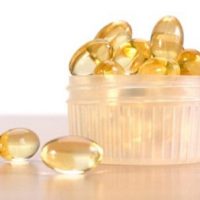
Both delivery forms possess distinct physiological advantages depending on personal lifestyle. Liquid cod liver oil provides the purest delivery without gelatin or glycerin binders, allows precise teaspoon dose titration, and offers the highest cost-to-potency ratio. However, it requires uninterrupted refrigeration and exposes the liquid to air upon each opening. Softgel capsules hermetically seal each individual dose against oxygen, eliminating fishy palatability challenges and providing travel convenience. However, because each standard 1,000 mg capsule contains limited volume, matching the potency of a single 5 mL teaspoon typically requires swallowing 4 to 6 large softgels daily.
Disclaimer: This article is intended strictly for educational and informational purposes and does not substitute for individualized medical advice, clinical diagnosis, or dietary prescription. Due to significant concentrations of fat-soluble preformed Vitamin A, pregnant women, individuals with chronic liver disease, or patients taking prescription retinoids or anticoagulant drugs should consult a licensed healthcare professional before supplementing with cod liver oil.