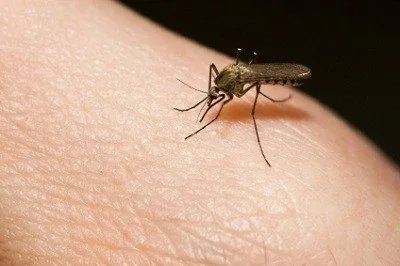
When a female mosquito (such as Aedes or Culex species) pierces human epidermis to access capillary blood, she inoculates complex salivary proteins—including apyrases, vasodilators, and foreign anticoagulants—that promptly trigger an immunoglobulin-mediated allergic cascade. Mast cell degranulation rapidly floods surrounding dermal interstitial fluid with histamine, bradykinin, and leukotrienes, stimulating unmyelinated C-fiber nociceptors and generating intense localized pruritus, erythema, and wheal formation. While severe systemic allergic reactions demand immediate emergency medical intervention, localized mosquito bites can be rapidly relieved using 6 clinically validated, evidence-based home remedies: targeted cryotherapy to decelerate peripheral nerve conduction velocity and induce microvascular vasoconstriction, alkaline sodium bicarbonate paste to neutralize salivary acid fractions and buffer pruritic dermal pH, cold-pressed aloe vera hydrogel to harness bradykinase and suppress prostaglandin E2 (PGE2), dilute tea tree oil to leverage terpinen-4-ol antimicrobial and anti-inflammatory properties, dilute apple cider vinegar compresses to restore acid mantle barrier integrity, and colloidal oatmeal paste to inhibit NF-κB signaling via bioactive avenanthramides.
Dermatological Summary & Urgent Anti-Pruritic Actions
- Targeted Nociceptive Interruption: Localized cooling below 15°C (59°F) physically slows action potential propagation across cutaneous pruriceptive C-fibers while constricting superficial venules to blunt histamine extravasation.
- Chemical Microenvironmental Buffering: Alkaline sodium bicarbonate pastes neutralize acidic mosquito salivary fractions, whereas dilute acetic acid stabilizes the stratum corneum acid mantle to prevent microbial dysbiosis.
- The Excoriation Redline: Scratching a bite mechanically shears the epidermal stratum corneum, triggering a vicious itch-scratch neurogenic cycle and creating microscopic entry portals for secondary bacterial cellulitis (primarily Staphylococcus aureus).
Pathophysiology of Mosquito Pruritus: Histaminergic Cascades and the Itch-Scratch Cycle
The characteristic swelling and agonizing itch of a mosquito bite do not arise from mechanical puncture alone, but from the host immune system’s recognition of foreign arthropod antigens. Mosquito saliva contains over 20 distinct bioactive proteins designed to facilitate hematophagy, including anti-platelet apyrase, thrombin inhibitors, and immunosuppressive enzymes. Upon inoculation into the superficial dermis, these antigens bind to surface-bound IgE and IgG antibodies on resident perivascular mast cells, inducing immediate receptor cross-linking and intracellular calcium mobilization.
Within seconds, mast cells degranulate, releasing preformed mediators—most notably histamine, heparin, and tryptase—followed by de novo synthesis of prostaglandin D2 and leukotriene C4. Histamine binds to H1 receptors located on postcapillary venular endothelial cells, stimulating endothelial nitric oxide synthase (eNOS) and widening intercellular endothelial junctions. This causes fluid extravasation, creating the classic erythematous wheal and flare reaction. Concurrently, histamine activates H1 and H4 G-protein-coupled receptors on unmyelinated polymodal C-fiber sensory neurons, opening downstream transient receptor potential vanilloid 1 (TRPV1) and ankyrin 1 (TRPA1) ion channels. The resulting depolarization fires action potentials along the spinothalamic tract to the primary somatosensory cortex, registering as intense, uncontrollable pruritus.
According to clinical reviews indexed in the National Center for Biotechnology Information (NCBI) on the neuroimmunology of insect bite pruritus and sensory transmission, engaging in physical excoriation (scratching) provides only transient pain-induced sensory gating in the dorsal horn. Crucially, mechanical nail trauma inflicts micro-fissures upon the stratum corneum, causing keratinocytes to release inflammatory cytokines and nerve growth factor (NGF). This amplifies peripheral nerve branching, creating chronic neurogenic sensitization and opening pathways for virulent bacterial pathogens. Integrating targeted anti-pruritic home protocols alongside our evidence-based guide on home remedies for clear and healthy skin establishes optimal cutaneous barrier defense.
“Scratching an insect bite activates transient pain pathways that momentarily drown out itch signals at the spinal cord, but the physical shear stress rapidly tears the epidermal barrier, triggering explosive secondary cytokine release and dramatically increasing the risk of pyogenic bacterial cellulitis.”
6 Science-Backed Home Remedies for Mosquito Bites
When seeking immediate, physiological relief from acute mosquito stings, the following 6 evidence-based interventions interrupt sensory nerve firing, quench histaminergic inflammation, and safeguard the epidermal barrier:
1. Targeted Cryotherapy (Nerve Conduction Deceleration & Vasoconstriction)
Cryotherapy (cold application) is the fastest non-pharmacological method to suppress acute histaminergic pruritus. The thermodynamic cooling of cutaneous tissue exerts two synchronized physiological actions on the bite site: neurological slowing and vascular restriction.
Neurologically, lowering local tissue temperature below 15°C (59°F) substantially reduces the action potential conduction velocity of unmyelinated C-fibers and myelinated A-delta fibers. As documented in clinical pathophysiology reviews published by the National Institutes of Health (NIH) StatPearls, localized hypothermia activates cold-sensitive TRPM8 channels, which engage inhibitory interneurons in the substantia gelatinosa of the spinal dorsal horn, blunting central pruritic transmission. Hemodynamically, cold triggers alpha-adrenergic sympathetic vasoconstriction of superficial dermal arterioles and postcapillary venules. This reduces regional blood perfusion and curtails vascular permeability, arresting further serum exudation and shrinking the edematous wheal. To apply safely, wrap an ice pack or a bag of frozen vegetables in a clean cotton cloth—never place bare ice directly onto vulnerable skin—and apply it to the bite for 10 to 15 minutes at a time.
2. Alkaline Sodium Bicarbonate Paste (Salivary Neutralization & Mast Cell Soothing)
Sodium bicarbonate (baking soda, NaHCO3) has served as an accessible dermatological remedy for generations, with clear biochemical underpinnings. Mosquito saliva consists of various polypeptide fractions, enzymes, and organic acids that operate within slightly acidic microenvironments. Furthermore, localized tissue ischemia and mast cell degranulation generate localized metabolic acidosis in the interstitial fluid.
When pure sodium bicarbonate is blended with water to create a thick paste (approximately a 3:1 ratio of powder to water) and applied topically, it acts as an amphoteric alkaline buffer. The bicarbonate anions (HCO3−) neutralize superficial acidic irritants and normalize dermal microenvironmental pH. Furthermore, the hypertonic paste creates a mild trans-epidermal osmotic gradient that draws inflammatory interstitial exudate out of the superficial wheal, relieving hydrostatic tension on surrounding nerve endings. Apply the freshly prepared paste directly to the bite for 10 minutes, then rinse thoroughly with cool water. Avoid leaving the alkaline paste on for prolonged durations to prevent excessive stratum corneum lipid stripping.
3. Acemannan-Rich Cold-Pressed Aloe Vera Gel (Bradykinase Activation & Prostaglandin Suppression)
Fresh gel extracted from the parenchymal tissue of Aloe barbadensis Miller leaves delivers a multifaceted pharmacological profile that accelerates tissue recovery while quelling inflammation. Pure aloe gel consists predominantly of water bound within a complex mucilaginous polysaccharide scaffold, highlighted by acemannan (a beta-1,4-linked acetylated polymannose).
Topically, acemannan forms a permeable protective hydrogel layer over damaged skin, preserving hydration and preventing environmental irritation. Within the dermis, aloe vera contains the proteolytic enzyme bradykinase, which directly cleaves and degrades bradykinin—a potent inflammatory nonapeptide responsible for vascular permeability, vasodilation, and nociceptor sensitization. Additionally, phytosterols (lupeol, campesterol, and beta-sitosterol) and C-glucosyl chromones present in aloe gel inhibit the cyclooxygenase-2 (COX-2) and 5-lipoxygenase (5-LOX) pathways, suppressing the biosynthesis of inflammatory prostaglandin E2 (PGE2) and leukotriene B4 (LTB4). Smooth a generous layer of pure, chilled aloe vera gel over the bite 3 to 4 times daily for rapid anti-inflammatory and cooling relief.
4. Dilute Acetic Acid / Apple Cider Vinegar Compresses (Acid Mantle Defense & Astringency)
Raw, unpasteurized apple cider vinegar (ACV) provides distinct dermatological benefits for insect stings when utilized in appropriate physiological dilutions. The healthy human stratum corneum maintains an acidic surface known as the “acid mantle,” with a resting pH between 4.5 and 5.5. Mast cell degranulation and alkaline salivary inoculations can disrupt this protective barrier.
The primary active constituent in apple cider vinegar is acetic acid (CH3COOH), typically present at a 5% concentration in commercial bottles. Diluting ACV 1:1 with filtered water yields a gentle 2.5% solution. When dabbed onto a mosquito bite using a sterile cotton pad, the diluted organic acids reinforce the physiological acid mantle, discouraging colonization by pathogenic bacteria such as Staphylococcus aureus. Furthermore, acetic acid exerts a mild astringent action, precipitating surface proteins and constricting microvascular capillary beds, which blunts acute swelling and relieves persistent stinging sensations. For an extensive exploration of organic acid therapies, see our comprehensive guide on evidence-based apple cider vinegar benefits and safe dilution rules.
5. Dilute Terpinen-4-ol Rich Tea Tree Oil (Terpenoid Antimicrobial Barrier & Mast Cell Blunting)
Extracted via steam distillation from the leaves of Melaleuca alternifolia, Australian tea tree oil is widely regarded as a premier botanical antimicrobial and anti-inflammatory agent. Its primary bioactive component is terpinen-4-ol (comprising at least 30% to 48% of pharmaceutical-grade oil), accompanied by gamma-terpinene and alpha-terpineol.
Pharmacological research indicates that terpinen-4-ol suppresses the production of pro-inflammatory cytokines, specifically downregulating tumor necrosis factor-alpha (TNF-α), interleukin-1β (IL-1β), and interleukin-8 (IL-8) in activated human monocytes. It also stabilizes mast cell membranes, reducing secondary histamine discharge. Moreover, because itchy bites are frequently scratched into open wounds, tea tree oil provides a robust antimicrobial shield against cutaneous opportunistic pathogens. Critical Safety Protocol: Never apply undiluted (100%) tea tree oil directly to bare skin, as concentrated monoterpenes can provoke severe allergic contact dermatitis. Always blend 1 to 2 drops of pure tea tree oil into 1 teaspoon of a soothing carrier oil (such as jojoba, olive, or sweet almond oil) before gently dabbing onto the affected area. Learn more about the cutaneous pharmacology of this botanical in our dedicated article on the dermatological benefits and safe handling of tea tree oil.
6. Colloidal Oatmeal (Avena sativa) Compresses (Avenanthramide-Mediated NF-κB Suppression)
Colloidal oatmeal—whole oat grains finely pulverized into an ultra-fine powder that remains suspended in liquid—is an FDA-recognized skin protectant and one of the most reliable botanical anti-pruritic treatments in clinical dermatology. Its profound soothing properties stem from a unique class of polyphenolic alkaloids found exclusively in oats, known as avenanthramides (principally avenanthramides A, B, and C).
As confirmed in peer-reviewed clinical studies indexed in the National Center for Biotechnology Information (NCBI) on oat avenanthramides and cutaneous anti-inflammatory mechanisms, these bioactive alkaloids potently inhibit the phosphorylation of IκB kinase (IKK). This arrests the nuclear translocation of nuclear factor kappa B (NF-κB) within cutaneous keratinocytes, dramatically curbing the release of inflammatory interleukins (IL-8) and blunting histamine liberation. Furthermore, oatmeal is abundant in hydrophilic beta-glucan polymers and lipids that create a physical colloidal film over the epidermis, restoring transepidermal water barrier function and calming hypersensitive cutaneous nerve endings. Stir 2 tablespoons of colloidal oat powder with warm water to form a smooth paste, apply gently over the bites for 15 minutes, and rinse clean with lukewarm water.
Comparative Mechanistic Matrix of Mosquito Bite Interventions
| Remedy / Bioactive Agent | Biochemical Target & Physiological Mechanism | Evidence Level | Clinical Protocol & Safety Boundary |
|---|---|---|---|
| 1. Targeted Cryotherapy (Ice Pack) | Decelerates sensory C-fiber action potential velocity; stimulates TRPM8; provokes microvascular vasoconstriction. | High (Clinical Standard) | Apply wrapped ice for 10–15 minutes. Never apply direct bare ice to prevent frostbite. |
| 2. Sodium Bicarbonate Paste (Baking Soda) | Buffers acidic mosquito salivary enzymes; neutralizes localized dermal metabolic acidosis; osmotic exudate withdrawal. | Moderate (Empirical / Biochemical) | 3:1 powder to water ratio. Leave on for 10 minutes maximum, then rinse clean. |
| 3. Cold-Pressed Aloe Vera Gel | Acemannan hydrogel barrier; bradykinase enzymatic degradation of bradykinin; inhibition of COX-2 and PGE2 synthesis. | Moderate to High | Apply pure chilled gel 3–4 times daily. Confirm no added alcohol or artificial fragrance. |
| 4. Dilute Apple Cider Vinegar (Acetic Acid) | Restores stratum corneum acid mantle (pH 4.5–5.5); mild astringent microvascular constriction; suppresses surface bacteria. | Moderate | Dilute 1:1 with filtered water. Dab with cotton for 5–10 minutes. Never apply to broken skin. |
| 5. Dilute Tea Tree Oil (Terpinen-4-ol) | Inhibits monocyte TNF-α and IL-1β secretion; blunts mast cell degranulation; broad-spectrum anti-staphylococcal shield. | Moderate | Always dilute 1–2 drops per teaspoon of carrier oil. Never apply neat to avoid contact allergy. |
| 6. Colloidal Oatmeal (Avenanthramides) | Inhibits IκB kinase and blocks NF-κB nuclear translocation; suppresses IL-8 and histamine release; beta-glucan barrier. | High (FDA Monograph) | Mix with lukewarm water into a smooth paste. Apply for 15 minutes, then rinse gently. |
Scientific Debunking & High-Risk Folklore to Avoid
Social media and historical folklore frequently promote several questionable home practices that can aggravate insect bites or introduce dangerous bacterial pathogens. Dermatologists urge extreme caution regarding the following common misconceptions:
- Applying Fluoridated Mint Toothpaste: While the menthol in commercial toothpaste delivers a brief cooling sensation, commercial dentifrices contain abrasive silicas, calcium carbonates, sodium lauryl sulfate (SLS), and concentrated flavoring aromatics. Applying toothpaste to irritated or broken skin frequently induces severe irritant contact dermatitis, exacerbating cutaneous inflammation and triggering hyperpigmentation.
- Rubbing Raw Banana Peels: Although folk anecdotes suggest rubbing the inner membrane of a banana peel soothes stings, there is zero peer-reviewed evidence validating anti-pruritic or anti-inflammatory activity. Furthermore, unsterile agricultural produce leaves sticky fructose and sugar residues on the skin, which can nourish environmental bacteria and attract additional biting insects.
- The Fingernail “X” Indentation: Pressing a fingernail into a mosquito bite to imprint an “X” pattern stimulates high-threshold mechanoreceptors that temporarily distract the brain from itch signals. However, this mechanical compression crushes inflamed tissue and introduces subungual bacteria (such as Staphylococcus and Pseudomonas) into the damaged dermis, significantly increasing the risk of pyogenic skin infections.
- Aggressive Scratching: Excoriating the bite with bare fingernails rips away the protective stratum corneum, creating weeping open sores that frequently heal with post-inflammatory hyperpigmentation or scarring, while inviting invasive secondary cellulitis.
Clinical Red Flags: When to Seek Immediate Medical Attention
The vast majority of mosquito bites resolve uneventfully within 3 to 7 days using conservative home management. However, medical evaluation is required if you observe any of the following systemic or localized clinical warning signs:
- Anaphylactic Systemic Reaction: Sudden onset of respiratory distress, wheezing, swelling of the tongue, lips, or throat, dizziness, or widespread urticaria (hives) indicates systemic hypersensitivity and necessitates immediate emergency medical services (911 or emergency room).
- Progressive Secondary Cellulitis: Expanding erythema spreading rapidly beyond the bite perimeter, warmth to the touch, red streaking ascending toward lymph nodes (lymphangitis), purulent drainage, or systemic fever signals secondary bacterial cellulitis requiring prescription antibiotics.
- Vector-Borne Illness Symptoms: Mosquitoes can transmit serious vector-borne pathogens, including West Nile virus, Dengue, Chikungunya, and Zika virus. If high fever, severe retro-orbital headache, debilitating joint pain, muscle aches, or a diffuse body rash develops 3 to 14 days following mosquito exposure, consult an infectious disease physician immediately.
Disclaimer: This article is for informational purposes only and is not intended as medical advice. Always consult with a qualified healthcare professional before making changes to your health regimen.
Frequently Asked Questions (FAQ)
Why do mosquito bites itch significantly worse at night?
Mosquito bites feel more pruritic at night due to natural circadian fluctuations in human physiology. Endogenous circulating cortisol levels—which exert natural anti-inflammatory actions—reach their diurnal nadir late in the evening and during sleep, allowing inflammatory cytokines and histamine to exert stronger biological effects. Additionally, cutaneous blood flow and skin temperature increase at night, accelerating sensory nerve firing, while the absence of daytime cognitive distractions heightens perceptual awareness of itching.
Does pressing a fingernail “X” into a bite actually stop the itch?
No, pressing a fingernail into a bite does not treat the underlying inflammatory reaction. It merely creates localized nociceptive pain that momentarily overrides pruritus through the gate-control mechanism in the spinal dorsal horn. Once the temporary pain sensation subsides, the itch returns with greater intensity. Furthermore, this practice inflicts mechanical micro-trauma and transfers subungual bacteria into the dermis, predisposing to bacterial cellulitis.
How long does a typical mosquito bite inflammatory reaction last?
In most sensitized individuals, the acute histaminergic wheal and intense itch peak within 24 to 48 hours following the bite. As circulating immune complexes clear the foreign salivary antigens, localized induration and erythema steadily decline, typically resolving entirely within 3 to 7 days. Bites that persist, expand, or exhibit increasing heat and throbbing pain past 72 hours should be evaluated for secondary infection.
Can applying cold compress prevent a bite from swelling?
Yes, applying a cold compress immediately following a bite significantly curbs swelling. Cold temperatures induce rapid autonomic vasoconstriction of superficial dermal capillary beds, restricting local blood perfusion and minimizing the extravasation of serum fluids, histamine, and bradykinin into the interstitial space. Applying cryotherapy for 10 to 15 minutes during the initial reactive phase meaningfully limits the maximum diameter of the resulting wheal.