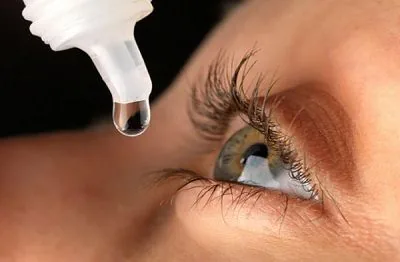
Pink eye (acute conjunctivitis) involves inflammation or infection of the transparent bulbar and palpebral conjunctiva covering the sclera and inner eyelids, presenting clinically with conjunctival hyperemia, chemosis (swelling), pruritogenic irritation, and discharge. Driven primarily by adenoviral replication, bacterial pathogens (Staphylococcus aureus, Streptococcus pneumoniae, Haemophilus influenzae), or IgE-mediated environmental allergens, conjunctivitis represents one of the most common ophthalmic presentations worldwide. Because the corneal epithelial surface lacks the keratinized protective barrier of cutaneous skin, home management must be strictly non-invasive, sterile, and focused on palliative comfort rather than risky DIY remedies. The 5 clinically safe home supportive measures for pink eye encompass temperature-targeted sterile compresses (cool compresses to blunt allergic histamine and viral vascular engorgement versus warm compresses to loosen crusting and promote meibomian drainage), preservative-free sterile ophthalmic saline or artificial tear irrigation to dilute inflammatory cytokines, immediate contact lens suspension and decontamination to avert sight-threatening microbial keratitis, rigid viral barrier hygiene protocols to halt explosive adenoviral cross-transmission, and sterile closed-eyelid cool chamomile tea compresses for external periocular soothing.
Clinical Summary & Urgent Action Points
- Strict Non-Invasive Rule: Never instill non-sterile liquids, acidic juices, honey, or botanical extracts directly into the conjunctival sac; ocular surface tissue is extremely delicate and vulnerable to secondary bacterial keratitis, chemical ulceration, and permanent scarring.
- Symptom-Specific Thermal Strategy: Apply chilled sterile compresses to relieve itching and conjunctival edema in viral and allergic conjunctivitis; reserve warm sterile compresses for gently loosening adherent eyelid crusts upon waking.
- Ophthalmic Emergency Thresholds: True deep eye pain (beyond superficial grittiness), photophobia (light sensitivity), or changes in visual acuity are not simple conjunctivitis symptoms; they represent corneal ulceration, anterior uveitis, or acute glaucoma requiring immediate emergency ophthalmology triage.
Etiological Differential: Viral vs. Bacterial vs. Allergic Conjunctivitis
Formulating a safe, rational supportive regimen requires understanding the three primary clinical etiologies of acute conjunctivitis. Misidentifying the underlying cause often leads to unnecessary antibiotic overuse or counterproductive home interventions:
- Viral Conjunctivitis (Adenovirus): Accounts for up to 80% of all acute infectious cases. It is characterized by copious watery or serous discharge, marked conjunctival injection, gritty foreign-body sensation, and frequently an enlarged, tender preauricular lymph node in front of the ear. It commonly accompanies an upper respiratory viral tract infection, is exquisitely contagious via direct contact or fomites, and is self-limiting, resolving spontaneously over 7 to 14 days as host cell-mediated immunity clears the virus. Antibiotic eye drops are entirely useless against viral conjunctivitis.
- Bacterial Conjunctivitis: Manifests with thick, mucopurulent yellow or green discharge that causes the eyelids to stick firmly together upon awakening (morning eye matting). It typically involves pathogens like Staphylococcus aureus or Streptococcus pneumoniae. While mild cases often resolve within several days through local mucosal immune defense, moderate-to-severe bacterial infections benefit from culture-guided prescription antibiotic ophthalmic drops.
- Allergic Conjunctivitis: An IgE-mediated type-1 hypersensitivity reaction triggered by airborne allergens (pollen, animal dander, dust mites). Its hallmark cardinal symptom is intense, bilateral ocular itching (pruritus), accompanied by watery tearing, chemosis (conjunctival swelling resembling a blister on the white of the eye), and prominent eyelid edema, typically occurring seasonally without fever or lymphadenopathy.
According to the clinical practice guidelines published by the National Center for Biotechnology Information (NCBI) on acute conjunctivitis management and ocular surface safety, conservative supportive care forms the primary cornerstone of uncomplicated conjunctivitis management. To explore broader ocular hygiene strategies, readers can review our clinical guide on natural home solutions for common eye problems.
“The cornea is an optically transparent, avascular tissue whose refractive precision depends on an intact epithelial monolayer; introducing unverified homemade fluids into the conjunctival sac risks microbial keratitis, corneal stromal melt, and irreversible visual impairment.”
5 Clinically Safe Home Supportive Strategies for Pink Eye
When managing uncomplicated conjunctivitis at home, the following five evidence-based measures provide safe, non-invasive relief while protecting the delicate ocular surface:
1. Temperature-Targeted Compresses: Sterile Cool vs. Warm External Application
Thermal therapy applied externally to the closed eyelids is one of the most effective ways to manage conjunctivitis symptoms without pharmacological side effects. However, the temperature must match the underlying etiology:
Cool Compresses (Best for Viral and Allergic Conjunctivitis): In viral and allergic presentations, local histamine release and pro-inflammatory prostaglandins dilate superficial conjunctival microvessels, leading to intense burning, itching, and tissue edema. Applying a chilled compress provokes rapid local arteriolar vasoconstriction, blunting capillary permeability and suppressing the activation of cutaneous sensory C-fibers that mediate itching. Moisten a clean, lint-free washcloth with cool sterile or bottled water, or place a chilled gel eye pack wrapped in a clean towel over closed eyes for 10 to 15 minutes, three to four times daily.
Warm Compresses (Best for Bacterial Conjunctivitis and Morning Crusts): When mucopurulent exudate dries overnight, it forms hardened crusts that cement the eyelashes together. Applying a warm (not hot), damp compress over closed eyelids liquefies thick proteinaceous crusts and softens meibomian gland lipids, allowing debris to be gently wiped away from the inner canthus to the outer canthus without abrading delicate eyelid skin. Critical Redline: Always use a separate clean compress for each eye, and never re-use a cloth without laundering in hot water to avoid cross-inoculating the unaffected eye.
2. Preservative-Free Sterile Saline Flush and Artificial Tear Irrigation
In all variants of acute conjunctivitis, the tear film becomes saturated with high concentrations of inflammatory mediators—including histamine, leukotrienes, matrix metalloproteinases (MMP-9), and viral or bacterial particles. These accumulated mediators perpetuate conjunctival irritation and cause superficial epithelial punctate erosions.
Instilling commercially packaged, single-dose preservative-free sterile saline or lubricating artificial tears (carboxymethylcellulose or hyaluronic acid drops) directly into the lower conjunctival fornix provides immediate palliative benefits. The fluid physically dilutes inflammatory cytokines, flushes non-adherent infectious virions and allergen particles away from the corneal surface, and restores lubrication to compromised tear film lipid and mucin layers. Using single-use disposable ampoules is mandatory; multi-use dropper bottles preserved with benzalkonium chloride (BAK) can provoke toxic chemical keratopathy when applied frequently to already inflamed ocular tissue, and bottle tips easily become colonized with infectious pathogens upon accidental touch.
3. Immediate Contact Lens Suspension and Disinfection Decontamination
For contact lens wearers, the onset of a red, irritated eye requires the immediate, non-negotiable removal of contact lenses. Continuing to wear contacts during conjunctivitis is one of the highest risk factors for developing infectious microbial keratitis (corneal ulceration), often caused by virulent organisms such as Pseudomonas aeruginosa or Acanthamoeba.
Contact lenses create a localized micro-environment of reduced corneal epithelial oxygenation and trap infectious pathogens directly against the vulnerable corneal stroma. The physical presence of the lens impedes natural blinking shear forces that clear exudates. You must suspend all contact lens use immediately and switch to prescription eyeglasses until all symptoms, redness, and discharge have completely resolved for at least 48 to 72 hours. Furthermore, disposable soft contact lenses worn at the onset of symptoms must be discarded immediately, and lens storage cases, cleaning solutions, and eye makeup products must be thrown away and replaced with fresh, sterile items.
4. Rigid Viral Barrier Protocols: Halting Adenoviral Auto-Inoculation
Epidemic keratoconjunctivitis (EKC), caused primarily by adenovirus serotypes 8, 19, and 37, is notorious for its stability on environmental surfaces. Adenoviruses are non-enveloped, meaning they resist desiccation, alcohol hand rubs, and standard household detergents, surviving on doorknobs, countertops, and towels for weeks.
Preventing transmission from an infected eye to the fellow eye, or to family members and colleagues, requires rigorous infection control: wash hands meticulously with warm water and antimicrobial soap for at least 20 seconds before and after touching the face; use clean, single-use disposable paper towels rather than shared fabric hand towels; replace pillowcases daily; and avoid touching or rubbing the eyes, which transfers viral particles via contaminated fingertips. To understand how systemic viral infections interact with mucosal immunity, explore our clinical overview on evidence-based home remedies for flu and cold relief.
5. External Closed-Eyelid Chamomile Compresses (Periocular Soothing Only)
German chamomile (Matricaria chamomilla) flowers contain concentrated therapeutic terpenes and flavonoids, notably apigenin, bisabolol, and chamazulene. These phytochemicals exert established topical anti-inflammatory and mild antimicrobial effects by inhibiting cyclooxygenase and lipoxygenase pathways in superficial dermal tissues.
To safely utilize chamomile’s soothing properties, steep a pure organic chamomile tea bag in boiling water for 5 minutes, remove it, squeeze out excess liquid, and allow it to cool completely in the refrigerator until chilled. Place the cool, moist tea bag strictly over the closed eyelid for 10 minutes. The cool temperature combined with apigenin’s dermal absorption soothes swollen periorbital tissues. Crucial Warning: Chamomile tea must never be instilled as an eye drop or used to wash an open eye. Unfiltered plant particles and ragweed pollen cross-reactivity can trigger severe secondary allergic contact blepharoconjunctivitis or mechanical corneal abrasion.
Mechanistic Matrix of Safe Supportive Pink Eye Interventions
| Supportive Measure / Protocol | Physiological Target & Conjunctival Response | Clinical Evidence & Safety Level | Execution Rule & Contamination Redline |
|---|---|---|---|
| 1. Cool Sterile Compresses | Arteriolar vasoconstriction; downregulates histamine-induced chemosis and itching. | High (Standard American Academy of Ophthalmology recommendation). | Apply to closed lids 10–15 min; separate clean cloth per eye; never share towels. |
| 2. Warm Sterile Compresses | Thermal liquefaction of dried mucopurulent crusts and meibomian secretions. | High (Consensus first-line lid hygiene protocol). | Gently wipe inner to outer canthus; discard or wash cloth immediately in hot water. |
| 3. Preservative-Free Saline / Tears | Hydrodynamically dilutes cytokines (MMP-9, histamine) and clears virions. | High (Clinical dry eye and conjunctivitis supportive consensus). | Use single-dose sterile ampoules only; avoid preserved bottles that cause chemical toxicity. |
| 4. Contact Lens Cessation | Restores corneal oxygenation; prevents pathogen adherence and corneal ulceration. | High (Essential ophthalmic life-safety protocol). | Stop immediately; discard active lenses, case, and solution; wear glasses until 72 hr symptom-free. |
| 5. Closed-Lid Chamomile Compress | Apigenin and chamazulene soothe periocular microcirculation and eyelid erythema. | Moderate (Botanical dermatology and palliative external care). | External closed-lid use only; never drip tea into the eye; verify no ragweed allergy. |
Critical Medical Warning: Dangerous Ocular DIY Myths Debunked
The internet is rife with folk remedies for pink eye that are exceptionally hazardous. The eye is not skin; placing unsterile or caustic substances into the conjunctival sac causes irreversible harm. The following dangerous practices must be strictly avoided:
- Instilling Raw Honey into the Eye: Many wellness blogs recommend mixing honey with water as natural antibiotic eye drops. While medical-grade honey exhibits osmotic antibacterial properties on cutaneous wounds, raw unpasteurized honey contains spores of Clostridium botulinum, Bacillus species, and pollen grains. Instilling honey into an inflamed eye triggers severe chemical conjunctival burns, foreign-body granulomas, and sight-threatening microbial keratitis.
- Apple Cider Vinegar (ACV) Eye Drops: Diluting apple cider vinegar in water and dropping it into the eye is an alarming internet trend. Vinegar contains 5% acetic acid (pH ~2.5 to 3.0). Placing acidic solutions on the ocular surface causes immediate coagulative necrosis of the delicate corneal epithelium, corneal stromal ulceration, and catastrophic permanent scarring that can require corneal transplantation.
- Homemade Tap-Water and Table-Salt Eye Drops: Attempting to create homemade saline by boiling tap water and table salt risks severe ocular infection. Tap water is not sterile; it frequently harbors Acanthamoeba—a protozoan parasite that causes excruciating, treatment-resistant amoebic keratitis resulting in blindness. Only commercially sterilized, pharmaceutical-grade ophthalmic saline should ever enter the eye.
- Breast Milk or Raw Aloe Vera Juice: Folk traditions sometimes advocate dripping maternal breast milk or aloe pulp into eyes. Neither is sterile. Breast milk acts as a rich culture broth that fosters explosive bacterial proliferation on an inflamed cornea, while raw aloe vera contains anthraquinone latex compounds that produce severe chemical ocular toxicities.
Urgent Ophthalmic Red Flags: When to See an Eye Doctor Immediately
While uncomplicated viral and allergic conjunctivitis typically resolve safely with supportive care, certain red-flag symptoms indicate severe, sight-threatening pathology (such as corneal ulcers, acute angle-closure glaucoma, endophthalmitis, or iritis). Seek immediate emergency medical care if you experience:
- Moderate-to-Severe Deep Eye Pain: True deep, boring eye pain or severe ache—rather than mild superficial grittiness, burning, or foreign-body sensation—signals corneal involvement or anterior uveitis.
- Photophobia (Light Sensitivity): Inability to look at normal ambient light without sharp, deep ocular pain indicates corneal ulceration or internal intraocular inflammation.
- Changes in Visual Acuity: Noticeable reduction in visual clarity, blurring that does not clear after blinking away discharge, or seeing halos around lights requires immediate professional evaluation.
- Copious Hyperacute Purulent Discharge: Extremely rapid, continuous outpouring of thick yellow-green pus within hours of onset may indicate Neisseria gonorrhoeae conjunctivitis, an ophthalmic emergency capable of rapidly perforating the intact cornea.
- Neonatal Conjunctivitis: Any red eye or eye discharge in a newborn infant (under 4 weeks old) demands immediate emergency medical evaluation to rule out chlamydial or gonococcal ophthalmia neonatorum.
Disclaimer: This article is for informational purposes only and is not intended as medical advice. Always consult with a qualified healthcare professional before making changes to your health regimen.
Frequently Asked Questions (FAQ)
How can I tell if my pink eye is viral, bacterial, or allergic?
Viral conjunctivitis typically presents with copious watery tearing, marked redness, a gritty sensation, and an enlarged, tender lymph node in front of the ear, often alongside a cold or cough. Bacterial conjunctivitis is distinguished by thick, yellow-green mucopurulent discharge that causes the eyelashes to crust firmly together upon waking in the morning. Allergic conjunctivitis invariably features intense, relentless bilateral itching, watery discharge, and puffy eyelids without fever or contagious transmission to others.
How long is viral pink eye contagious, and when can I return to school or work?
Viral conjunctivitis caused by adenovirus is highly contagious as long as active tearing and redness persist—typically 7 to 10 days from symptom onset. You can generally return to work or school once active discharge and excessive tearing have stopped and you can maintain strict hand hygiene. Always confirm local occupational or school health policies before returning to close-contact settings.
Do I need antibiotic eye drops to cure every case of pink eye?
No, antibiotics are completely ineffective against viral conjunctivitis (which causes up to 80% of adult cases) and allergic conjunctivitis. Over-prescribing antibiotic ophthalmic drops can cause ocular surface toxicity, induce bacterial antibiotic resistance, and delay proper diagnosis. Most mild bacterial conjunctivitis cases also resolve spontaneously within 5 to 7 days, though prescription drops can hasten resolution in moderate-to-severe bacterial infections.
Can conjunctivitis cause permanent vision damage if left untreated?
Standard viral, bacterial, or allergic conjunctivitis affects only the superficial conjunctival membrane and does not impair vision. However, if an infection extends into the cornea (forming infectious keratitis or corneal ulcers)—a complication seen particularly in contact lens wearers or those using unsterile DIY remedies—it can lead to corneal stromal scarring, irregular astigmatism, and permanent vision impairment if not treated promptly by an eye care specialist.