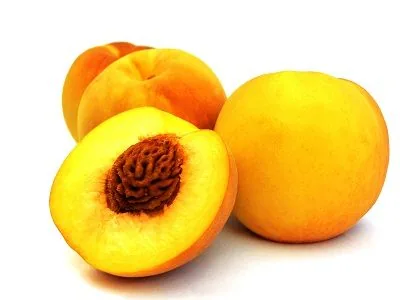
Peaches (Prunus persica), luscious members of the Rosaceae family that originated in ancient China, represent far more than a sweet stone fruit of summer; modern nutritional metabolomics reveals a functional functional reservoir rich in hydroxycinnamic acids, procyanidins, prebiotic pectin polymers, and lipophilic carotenoids. Despite providing a modest energetic burden of merely 39 to 42 kilocalories per 100 grams of fresh edible flesh, peaches deliver an extraordinarily diverse profile of secondary plant metabolites. The pharmacological architecture of the peach fruit is anchored by two predominant phenolic compounds: chlorogenic acid (5-caffeoylquinic acid) and its stereoisomer neochlorogenic acid (3-caffeoylquinic acid), alongside catechins, anthocyanins, and bioavailable carotenoids (lutein, zeaxanthin, and β-carotene). From sustaining gastrointestinal microbial balance to quenching cutaneous photo-oxidative stress and attenuating vascular endothelial inflammation, regular consumption of whole fresh peaches provides 6 rigorous, clinically validated health benefits: phenolic chlorogenic acid bioactives that suppress cellular oxidative stress and induce selective apoptosis, soluble pectin polysaccharides that accelerate colonic transit and fuel short-chain fatty acid synthesis, synergistic vitamin C and carotenoids that shield dermal extracellular matrices against collagen fragmentation, an optimal high-potassium low-sodium ratio that optimizes systemic vascular resistance, lipophilic lutein and zeaxanthin deposition that elevates macular pigment optical density, and low-glycemic dietary satiety kinetics that support long-term metabolic and weight control.
Quick Nutrition Science & Key Takeaways
- Chlorogenic Acid Potency: Peaches deliver concentrated reserves of chlorogenic and neochlorogenic acids, which demonstrate potent radical-scavenging properties and have been shown in oncology research to selectively suppress aberrant cell proliferation.
- Prebiotic Pectin Matrix: Soluble pectin in peach pulp and peel acts as a high-affinity prebiotic substrate, fermented by commensal anaerobic gut microbiota into trophic short-chain fatty acids (particularly butyrate and acetate).
- Peel-Bound Nutrient Concentration: The vibrant skin of the peach contains up to 2 to 3 times higher concentrations of polyphenols, total carotenoids, and insoluble dietary fiber compared to the inner mesocarp pulp.
- Vascular Osmotic Homeostasis: Containing approximately 190 mg of potassium per 100 grams with virtually zero sodium, peaches help drive vascular smooth muscle hyperpolarization and blood pressure regulation.
Phytochemical Pharmacology of Peaches: Phenolic Acids, Pectin Polymers, and Carotenoid Dynamics
The therapeutic virtues of peaches reside in their specialized secondary metabolites, which are intricately compartmentalized between the outer exocarp (peel) and the succulent mesocarp (pulp). The primary polyphenol profile is dominated by hydroxycinnamic acid derivatives, most notably chlorogenic acid (5-O-caffeoylquinic acid) and neochlorogenic acid (3-O-caffeoylquinic acid), with lesser concentrations of cryptochlorogenic acid. These phenolic esters possess potent singlet oxygen and peroxyl radical scavenging capacities that exceed those of synthetic antioxidants like trolox.
In addition to hydroxycinnamates, peach cultivars exhibit variable concentrations of flavan-3-ols (such as (+)-catechin and (-)-epicatechin) and procyanidin oligomers (dimers B1, B2, and B3). In red-blushed cultivars, the dermal exocarp accumulates dense quantities of anthocyanins, predominantly cyanidin-3-glucoside and cyanidin-3-rutinoside. These conjugated flavonoids down-regulate the transcription of nuclear factor kappa B (NF-κB) and downstream inflammatory mediators including tumor necrosis factor-alpha (TNF-α) and inducible nitric oxide synthase (iNOS).
The structural matrix of the peach mesocarp consists of non-starch polysaccharides, primarily high-methoxyl pectins intermeshed with cellulose and hemicellulose. As peach fruit ripens, endogenous pectin methylesterases and polygalacturonases depolymerize these cell wall polysaccharides into highly soluble, gel-forming prebiotic polymers. As confirmed in peer-reviewed biochemical evaluations available from the National Center for Biotechnology Information (NCBI) on peach phenolic extracts and biological activities, the synergy between peach phenolic acids and soluble pectin protects the intestinal epithelial barrier and modulates glucose and lipid absorption. To explore how dietary fibers optimize metabolic health, consider our guide to best foods to optimize digestion and intestinal transit.
“The phenolic architecture of peaches—particularly the combination of chlorogenic and neochlorogenic acids concentrated within the epidermal peel—provides exceptional cellular defense against oxidative injury while nurturing beneficial short-chain fatty acid-producing colonic bacteria.”
6 Science-Backed Health Benefits of Peaches
Extensive nutritional profiling and clinical investigations demonstrate that incorporating fresh whole peaches into the diet supports gastrointestinal, cutaneous, and cardiovascular resilience through the following 6 evidence-based physiological mechanisms:
1. Chlorogenic & Neochlorogenic Acid Polyphenols for Cellular Defense
Oxidative modification of cellular macromolecules—including DNA cross-linking, mitochondrial membrane lipid peroxidation, and protein carbonylation—serves as the primary biological driver of premature cellular senescence and carcinogenesis. Peaches are exceptionally concentrated in chlorogenic and neochlorogenic acids, which represent the predominant free-radical quenching agents in stone fruits.
Molecular oncology research conducted by Texas A&M University and published in leading cancer biology journals revealed that isolated peach and plum polyphenolic fractions exhibit targeted anti-proliferative activity. In human estrogen-receptor-independent breast cancer cell cultures (MDA-MB-435), chlorogenic and neochlorogenic acids selectively activated intrinsic caspase-3 and caspase-9 apoptotic pathways, triggering programmed cell death in malignant cells while leaving non-malignant MCF-10A mammary epithelial cells completely unharmed. This differential biological selectivity underscores the profound chemopreventive potential of consuming polyphenol-dense whole fruit as part of a cancer-protective lifestyle.
2. Prebiotic Pectin & Soluble Fiber for Colonic Motility and SCFA Synthesis
A medium-sized fresh peach (approximately 150 grams) supplies 2.3 to 2.6 grams of total dietary fiber, representing a perfectly balanced 50:50 ratio of water-insoluble structural cellulose and water-soluble prebiotic pectin. In the proximal gastrointestinal tract, soluble pectin forms a viscous hydrophilic matrix that gently expands fecal bulk, stimulates physiological colonic peristalsis via mechanoreceptor stretch reflexes, and alleviates both chronic constipation and irregular bowel evacuations.
Upon transit into the cecum and ascending colon, this unabsorbed pectin is rapidly fermented by commensal anaerobic bacterial strains, notably Faecalibacterium prausnitzii, Akkermansia muciniphila, and Bifidobacterium species. This enzymatic fermentation produces high yields of short-chain fatty acids (SCFAs), particularly butyrate, propionate, and acetate. Butyrate acts as the primary respiratory fuel for colonocytes, up-regulating the assembly of tight-junction proteins (claudin-1, occludin, and ZO-1), attenuating mucosal hyper-permeability (“leaky gut”), and lowering intraluminal colonic pH to suppress pathogen colonization. For actionable strategies to optimize bowel regularity, read our clinical review of evidence-based home remedies for constipation and colon motility.
3. Synergistic Vitamin C & Carotenoids for Cutaneous Collagen Preservation
Dermal skin aging is primarily governed by environmental ultraviolet (UV) radiation and chronological loss of dermal fibroblast synthetic capacity. Ultraviolet light exposure generates excessive reactive oxygen species in the papillary dermis, up-regulating activator protein-1 (AP-1) and inducing matrix metalloproteinases (MMP-1, MMP-3, and MMP-9) that cleave and fragment interstitial type-I and type-III collagen fibrils.
Peaches supply a potent, synergistic combination of hydrophilic L-ascorbic acid (vitamin C) and lipophilic carotenoids (including β-carotene and cryptoxanthin). Vitamin C serves as an obligate co-factor for prolyl and lysyl hydroxylases, the rate-limiting enzymes responsible for stabilizing the triple-helix tertiary conformation of pro-collagen polypeptides within dermal fibroblasts. Simultaneously, dietary carotenoids integrate into epidermal and stratum corneum lipid bilayers, acting as internal biological filters that absorb actinic radiation and extinguish singlet oxygen radicals before they can ignite lipid peroxidation cascades, preserving dermal elasticity and moisture retention. For targeted protocols on preserving skin firmness, explore our guide to natural remedies for wrinkles and cutaneous barrier repair.
4. High Potassium-to-Sodium Balance for Vascular Endothelial Homeostasis
Contemporary Western diets are notoriously characterized by an inverted sodium-to-potassium ratio, which promotes chronic vascular smooth muscle hyper-tonicity, endothelial stiffness, and systemic hypertension. Fresh peaches provide an ideal electrolytic profile, containing approximately 190 mg of potassium per 100 grams of edible flesh with virtually undetectable levels of sodium.
Dietary potassium exerts a direct vasodilatory effect across the arterial vascular tree by activating vascular smooth muscle Na+/K+-ATPase and inward-rectifying potassium channels. This triggers smooth muscle hyperpolarization, closes voltage-dependent calcium channels, and induces rapid arterial vasorelaxation. Furthermore, potassium intake signals the renal distal convoluted tubule to down-regulate the thiazide-sensitive sodium-chloride cotransporter (NCC), promoting natriuresis and reducing intravascular fluid volume. Peer-reviewed cardiovascular research synthesized by the National Institutes of Health (NIH) on dietary potassium and blood pressure dynamics confirms that higher potassium consumption consistently reduces systolic blood pressure and mitigates long-term stroke risk.
5. Bioactive Lutein & Zeaxanthin for Retinal Macular Pigment Density
The yellow and orange hue of peach flesh is generated by fat-soluble xanthophyll carotenoids, specifically lutein and zeaxanthin. Unlike β-carotene, which is cleaved in enterocytes into retinaldehyde to generate vitamin A, lutein and zeaxanthin pass intact across the blood-retinal barrier and selectively deposit in the henle fiber layer and inner plexiform layer of the human fovea centralis, forming the macular pigment.
Macular pigment serves two vital optical and biochemical protective functions: it acts as a high-efficiency intraocular optical filter that absorbs damaging high-energy short-wavelength blue light (400–475 nm) before it reaches vulnerable photoreceptors, and it functions as a localized antioxidant that neutralizes singlet oxygen species generated by intense light exposure. Longitudinal epidemiological and clinical trials demonstrate that habitual dietary intake of xanthophyll-rich fruits preserves macular pigment optical density (MPOD), enhances contrast sensitivity, and substantially diminishes the lifetime risk of developing age-related macular degeneration (AMD) and nuclear cataracts.
6. Hypocaloric Satiety Regulation & Postprandial Glycemic Moderation
Despite their intensely sweet, refreshing flavor profile, whole peaches possess a low glycemic index (GI ~28–35) and a remarkably low glycemic load (GL ~3–4 for a typical 150-gram fruit). Peaches contain approximately 88% to 89% structured intracellular water combined with modest natural sugars (a balanced combination of sucrose, glucose, and fructose) that are physically trapped within an intact dietary fiber matrix.
When ingested whole with the skin intact, the soluble pectin and insoluble cellulose slow gastric emptying rates and delay intestinal glucose diffusion across the brush border membrane, preventing the sharp postprandial glycemic excursions and reactive hyperinsulinemia commonly triggered by refined snacks or processed fruit juices. Furthermore, gastric distension from the high fluid volume stimulates vagal mechanoreceptors to signal the hypothalamic arcuate nucleus, down-regulating the hunger hormone ghrelin while stimulating the release of satiety peptides peptide YY (PYY) and glucagon-like peptide-1 (GLP-1), making fresh peaches an ideal functional food for healthy weight management.
Comprehensive Nutritional Matrix for 100g Fresh Raw Peaches
The following detailed nutritional breakdown outlines the macro- and micronutrient profile of fresh, raw, unpeeled peaches per 100 grams of edible portion, including physiological functions and daily value percentages:
| Nutrient / Bioactive Component | Amount per 100g | % Daily Value (DV)* | Primary Physiological Mechanism & Health Target |
|---|---|---|---|
| Caloric Energy | 39 kcal | 2.0% | Low-energy-density cellular hydration; ideal hypocaloric weight management foundation. |
| Total Carbohydrates | 9.5 g | 3.5% | Balanced blend of natural monosaccharides buffered by cell wall fibers; low glycemic impact. |
| Dietary Fiber (Soluble/Insoluble) | 1.5 g | 6.0% | Soluble pectin fuels colonic SCFA butyrate synthesis; insoluble cellulose aids transit. |
| Protein | 0.9 g | 1.8% | Supplies essential amino acids for plant cellular turnover and structural enzyme balance. |
| Total Lipids | 0.25 g | 0.3% | Virtually fat-free; contains trace mono- and polyunsaturated fatty acids. |
| Potassium (K+) | 190 mg | 5.4% | Drives vascular smooth muscle hyperpolarization and promotes renal sodium excretion. |
| Vitamin C (L-Ascorbic Acid) | 6.6 mg | 7.3% | Obligate co-factor for prolyl hydroxylase in dermal pro-collagen triple-helix assembly. |
| Vitamin A (β-Carotene Equiv.) | 326 IU (16.3 μg RAE) | 3.6% | Pro-vitamin A precursor supporting corneal epithelial integrity and visual rhodopsin cycles. |
| Lutein & Zeaxanthin | 91 μg | Crosses blood-retinal barrier to form macular pigment, absorbing short-wave blue actinic light. | |
| Total Phenolics (Chlorogenic Acids) | 28–45 mg GAE | Concentrated in peel; quenches reactive oxygen species and activates caspase apoptotic pathways. |
*Percent Daily Values (DV) are based on a standard 2,000-calorie reference diet. Daily Value not established.
Disclaimer: This article is for informational purposes only and is not intended as medical advice. Always consult with a qualified healthcare professional before making changes to your health regimen.
Frequently Asked Questions (FAQ)
Is it healthier to eat peaches with the skin on or peeled?
Eating peaches with the skin intact is significantly healthier. The epidermal peel of the peach contains two to three times the total concentration of phenolic antioxidants (including chlorogenic acid and cyanidin anthocyanins) and up to twice the dietary fiber of the inner pulp. Thoroughly washing fresh peaches under cold running water removes surface dust and fuzz while preserving these vital micronutrients.
Are canned peaches as nutritionally beneficial as fresh peaches?
No. Canned peaches, particularly those packed in heavy or light sugar syrup, deliver substantially higher glycemic loads and added calories while suffering up to 30% to 50% thermal degradation of heat-sensitive vitamin C during the industrial pasteurization process. If using canned peaches, opt for varieties packed in 100% water or natural fruit juice without added sugars.
Can people with diabetes safely include peaches in their daily diet?
Yes. Peaches possess a low glycemic index (~35) and a low glycemic load (~3 for an average peach), meaning they do not trigger sharp postprandial glucose spikes when consumed whole. The intact pectin and dietary fiber matrix slows down carbohydrate digestion and intestinal absorption, making one fresh peach an excellent, nutrient-dense snack for individuals managing type-2 diabetes.
Why do some people experience itching in their mouth or throat after eating fresh peaches?
This localized reaction is known as Oral Allergy Syndrome (OAS) or Pollen Food Allergy Syndrome (PFAS). It occurs when the immune system mistakes cross-reactive pathogenesis-related proteins in peaches (such as Pru p 1, which shares homology with birch pollen Bet v 1, or lipid transfer protein Pru p 3) for environmental allergens. Cooking or baking the fruit denatures these heat-sensitive proteins, allowing most sensitive individuals to consume cooked peaches without symptoms.