Rosacea is a complex, chronic inflammatory cutaneous dermatosis that primarily targets the convex convex surfaces of the central face (cheeks, nose, forehead, and chin), manifesting as persistent centrofacial erythema, telangiectasia, recurrent papulopustular flares, and distressing sensations of burning and stinging. Affecting over 5% of the global adult population—with a marked predilection for fair-skinned individuals of Celtic and Northern European descent between ages 30 and 60—rosacea is driven by an underlying confluence of innate immune hyper-reactivity, microvascular endothelial dysregulation, stratum corneum lipid barrier disruption, and hyper-colonization by microscopic Demodex folliculorum mites. When environmental triggers (such as ultraviolet radiation, thermal extremes, emotional stress, or spicy foods) activate neurovascular transient receptor potential (TRP) channels, keratinocytes upregulate the serine protease kallikrein 5 (KLK5), which cleaves cathelicidin into abnormal, vasoactive LL-37 antimicrobial peptides that drive chronic vasodilation and inflammatory infiltration. While severe cases necessitate medical intervention (such as topical ivermectin, metronidazole, or low-dose doxycycline), carefully formulated home remedies provide profound therapeutic barrier restoration and symptom control. Evidence-based natural management centers on 7 targeted protocols: colloidal oatmeal to restore stratum corneum lipid bilayers via avenanthramides, chilled green tea compresses delivering epigallocatechin gallate to suppress angiogenic VEGF signaling, chamomile extracts providing chamazulene and bisabolol to calm microvascular hyper-reactivity, medical-grade raw honey to exert gentle osmotic Demodex control, high-purity aloe vera to stimulate acemannan fibroblast regeneration, strictly diluted tea tree oil to eradicate Demodex mites without inducing contact dermatitis, and oral organic acid balance with critical warnings against topical vinegar application.
Clinical Summary & Cutaneous Action Points
- Avenanthramide Barrier Protection: Colloidal oatmeal delivers specialized polyphenolic avenanthramides that down-regulate NF-κB activation and IL-8 release in cutaneous keratinocytes, reinforcing the fragile lipid mantle and reducing transepidermal water loss (TEWL).
- Angiogenic Suppression via EGCG: Topical cold compresses made from brewed green tea supply epigallocatechin gallate (EGCG), a potent scavenger of reactive oxygen species that suppresses hypoxia-inducible factor-1α (HIF-1α) and vascular endothelial growth factor (VEGF).
- Critical Tea Tree Oil Dilution Mandate: Pure 100% tea tree oil is a severe contact allergen that can cause catastrophic chemical irritation on rosacea skin; it must always be diluted to 5% or less in a non-comedogenic carrier oil (such as squalane or jojoba) for targeted Demodex eradication.
- Topical Acid Debunking Redline: Applying undiluted apple cider vinegar directly to rosacea-affected facial skin is strictly contraindicated; the harsh acetic acid strips essential stratum corneum ceramides, precipitating acute chemical burns and severe flare exacerbations.
Pathophysiology of Rosacea: KLK5 Cascades, LL-37 Peptides, and Cutaneous Neuro-Vascular Reactivity
Modern dermatological research has dismantled the historical misconception that rosacea is merely an adult form of acne vulgaris. Rather, rosacea is a distinct multi-factorial inflammatory syndrome rooted in an abnormal interplay between the cutaneous innate immune system and neurovascular control. The pivotal molecular turning point involves the aberrant processing of the antimicrobial peptide cathelicidin within facial epidermis.
In unaffected human skin, keratinocyte cathelicidin is cleaved into inert or protective fragments. However, in individuals predisposed to rosacea, facial keratinocytes over-express Toll-like receptor 2 (TLR2), which is continuously stimulated by physical triggers (UV light), chemical irritants, or proteins released by commensal Demodex mites (and their associated endosymbiont Bacillus oleronius). TLR2 activation prompts a massive transcriptional upregulation of kallikrein 5 (KLK5 / stratum corneum tryptic enzyme). KLK5 cleaves inactive pro-cathelicidin into the bioactive, pro-inflammatory peptide LL-37.
Bioactive LL-37 exerts profound pathological effects across the dermis: it binds directly to endothelial cell receptors to stimulate angiogenesis and up-regulate intercellular adhesion molecule-1 (ICAM-1), induces mast cell degranulation with sudden histamine release, and acts as a chemoattractant for neutrophils and CD4+ T-helper lymphocytes. Concurrently, facial unmyelinated C-nerve fibers express elevated levels of TRPV1 (heat/capsaicin receptors) and TRPA1 (cold/chemical sensors). Stimulation of these receptors triggers axon-reflex release of substance P, calcitonin gene-related peptide (CGRP), and vasoactive intestinal peptide (VIP), causing rapid, intense microvascular flushing and prolonged burning pain. As outlined in comprehensive clinical reviews from the National Institutes of Health (NIH) on rosacea pathogenesis and therapeutic frontiers, successful home management demands calming this hyper-reactive neuro-inflammatory axis while shielding the damaged cutaneous barrier. Combine these insights with our evidence-based protocol for barrier repair and symptom relief in sensitive skin conditions.
“Rosacea represents an innate immune firestorm: abnormal activation of epidermal TLR2 drives excess kallikrein 5 enzymatic activity, transforming inert cathelicidin into vasoactive LL-37 peptides that ignite neurovascular flushing, angiogenesis, and inflammatory papules.”
7 Evidence-Backed Home Remedies for Rosacea Management
When implementing natural strategies for rosacea, interventions must be rigorously vetted to ensure they soothe neuro-vascular reactivity and support the epidermal permeability barrier without inducing contact sensitization. The following 7 protocols represent evidence-supported home strategies:
1. Colloidal Oatmeal for Epidermal Barrier Restoration & Avenanthramide Anti-Pruritic Action
Colloidal oatmeal (finely milled Avena sativa kernels containing an intact complex of β-glucans, avenanthramides, and polar lipids) is one of the few botanicals approved by regulatory agencies as an over-the-counter skin protectant. Patients suffering from rosacea exhibit significant stratum corneum barrier impairment characterized by reduced levels of long-chain ceramides, accelerated transepidermal water loss (TEWL), and heightened sensitivity to ambient moisture changes.
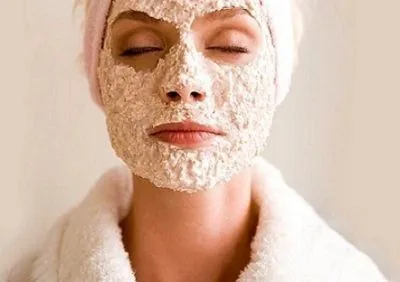
Colloidal oatmeal provides a dual mechanism of therapeutic relief. The water-soluble β-glucans and starches form a protective, hydro-colloidal occlusive film over facial skin, preventing moisture evaporation and shielding exposed nerve endings from atmospheric irritation. Concurrently, specialized polyphenolic amides known as avenanthramides (forms A, B, and C) penetrate into the stratum granulosum, where they directly inhibit the phosphorylation of the IκB kinase complex, arresting NF-κB translocation and markedly down-regulating the synthesis of pro-inflammatory cytokines (IL-8, IL-1α, and TNF-α). A soothing mask made by mixing 2 tablespoons of pure USP colloidal oatmeal with cool distilled water, applied for 15 minutes and gently rinsed, provides rapid cutaneous calming without mechanical friction.
2. Green Tea (Epigallocatechin Gallate) Compresses for Angiogenic & Erythema Suppression
Green tea (Camellia sinensis) is nature’s richest source of monomeric flavan-3-ols, predominantly epigallocatechin-3-gallate (EGCG). In rosacea, chronic erythema and telangiectasia are fueled by localized tissue hypoxia that upregulates hypoxia-inducible factor 1-alpha (HIF-1α), stimulating the persistent synthesis and secretion of vascular endothelial growth factor (VEGF), which causes abnormal microcapillary proliferation.
Controlled clinical trials indexed by the National Center for Biotechnology Information (NCBI) on botanical polyphenols in inflammatory dermatoses confirm that topical EGCG delivers exceptional anti-angiogenic and anti-erythema efficacy. EGCG directly suppresses VEGF receptor-2 phosphorylation and inhibits matrix metalloproteinases (MMP-2 and MMP-9), dampening dermal capillary fragility. To prepare an effective compress, steep 2 organic green tea bags in 250 mL of boiling water for 10 minutes, chill the solution in a refrigerator to approximately 10°C to 12°C (50°F–54°F), saturate a clean cotton gauze pad, and rest it gently over the cheeks and nose for 10 to 15 minutes. The combination of gentle cooling vasoconstriction and EGCG polyphenol delivery significantly diminishes facial flush intensity.
3. Chamomile Extracts (Bisabolol & Chamazulene) for Microvascular Calming
German chamomile (Matricaria chamomilla) has been utilized in cutaneous pharmacology for centuries to alleviate acute tissue inflammation. Its primary therapeutic bioactives are lipophilic sesquiterpenes, most notably (-)-α-bisabolol and the vivid blue hydrocarbon chamazulene (formed during thermal distillation from the precursor matricin), alongside flavones such as apigenin-7-glucoside.
Bisabolol and chamazulene exert a dual inhibitory effect on the arachidonic acid cascade by simultaneously down-regulating 5-lipoxygenase (5-LOX) and cyclooxygenase-2 (COX-2). This enzymatic blockade blunts the synthesis of leukotriene B4 (LTB4)—a potent neutrophil chemoattractant—and prostaglandin E2 (PGE2), which causes painful facial erythema and microvascular dilation. Cold chamomile compresses applied for 15 minutes provide noticeable relief. Critical Safety Precaution: Individuals with known allergic sensitivities to plants in the Asteraceae/Compositae family (such as ragweed, chrysanthemums, or marigolds) must perform a 48-hour inner-arm patch test prior to facial application to rule out cross-reactive allergic contact dermatitis.
4. Medical-Grade Raw Honey for Osmotic Demodex Inhibition & Anti-Microbial Defense
Unpasteurized raw honey (particularly medical-grade honey or high-UMF Manuka honey derived from Leptospermum scoparium) possesses a unique biochemical profile that makes it highly effective for papulopustular rosacea flares. Unlike conventional topical agents that rely on harsh synthetic surfactants, raw honey exerts therapeutic action through gentle physical and biochemical mechanisms.
With an osmolarity exceeding 2,000 mOsm/L and high concentrations of active methylglyoxal (MGO) and bee defensin-1 peptides, raw honey dehydrates microscopic microorganisms and creates an unfavorable, hyper-osmotic microenvironment for Demodex mites and their associated symbiotic bacteria (such as Staphylococcus epidermidis and Bacillus oleronius). Furthermore, honey’s high monosaccharide content functions as a natural humectant, drawing ambient moisture into the parched stratum corneum without disrupting fragile intercellular lipid lamellae. Applying a thin layer of pure medical-grade raw honey to affected areas for 20 minutes before rinsing with tepid water suppresses inflammatory pustules while enhancing barrier hydration. Discover more on honey’s therapeutic scope in our evaluation of scientifically validated antimicrobial benefits of raw honey.
5. High-Purity Aloe Vera Gel for Acemannan-Mediated Tissue Regeneration
The inner parenchymal gel of the Aloe vera leaf is composed of approximately 99% structured water complexed with bioactive mucilaginous polysaccharides, most prominently acemannan (a β-(1,4)-linked acetylated polymannose). In erythematotelangiectatic rosacea, cutaneous tissues suffer chronic low-grade oxidative stress, reduced vascular basement membrane integrity, and depleted tissue regeneration.
Acemannan binds directly to macrophage mannose receptors, stimulating the secretion of basic fibroblast growth factor (bFGF) and transforming growth factor-beta 1 (TGF-β1) to accelerate microscopic epidermal re-epithelialization. Additionally, pure aloe vera delivers bradykinase, an enzyme that cleaves inflammatory bradykinin peptides within dermal microcapillaries, significantly reducing acute vascular permeability and swelling. To avoid irritant dermatitis, it is crucial to utilize 100% pure, cold-pressed inner-leaf aloe gel that is completely free of chemical colorants, synthetic fragrance, alcohol, and the laxative latex compound aloin, which can aggravate inflamed skin.
6. Diluted Tea Tree Oil (Terpinen-4-ol) for Targeted Demodex Blepharitis & Mite Eradication
Microscopic Demodex folliculorum and Demodex brevis mites are natural commensal inhabitants of human hair follicles and sebaceous glands; however, in patients with rosacea, their facial population density is often 5 to 10 times higher than in healthy controls. These mites consume sebum and follicular epithelial cells, and upon dying, release antigenic proteins and bacterial toxins that trigger intense TLR2 activation, neutrophilic papules, and ocular rosacea (blepharitis).
The essential oil of Melaleuca alternifolia (tea tree oil) contains high concentrations of terpinen-4-ol, a monoterpene alcohol that exhibits direct acaricidal toxicity against Demodex mites by disrupting their cell membrane permeability. Research confirmed in peer-reviewed journals indexed by the National Library of Medicine (NIH/NCBI) on tea tree oil efficacy against Demodex mites proves that terpinen-4-ol effectively eradicates mites from eyelash roots and facial follicles. CRITICAL DERMATOLOGICAL REDLINE: Undiluted (100%) tea tree oil causes severe irritant contact dermatitis, epidermal barrier destruction, and intense peeling when applied to sensitive rosacea-prone skin. It must always be diluted to a maximum concentration of 2.5% to 5.0% in a light, non-comedogenic carrier oil (such as squalane or mineral oil), or used via formulated commercial eyelid wipes specifically designed for ocular rosacea. Review safe preparation methods in our guide to therapeutic benefits and safe dilution protocols of tea tree oil.
7. Diluted Apple Cider Vinegar & Oral Organic Acids (Debunking Topical Risks vs Oral Realities)
Internet folk remedies frequently promote applying undiluted or lightly diluted apple cider vinegar (ACV) directly to facial skin as a “natural cure” for rosacea redness. From a dermatological standpoint, applying topical vinegar to rosacea is exceptionally dangerous. Facial skin affected by rosacea already suffers from severely compromised stratum corneum barrier integrity and disrupted tight junctions. Direct application of acetic acid (the primary active constituent of vinegar, typically at pH 2.5–3.0) causes immediate chemical irritation, severe burning, denaturation of stratum corneum proteins, and acute worsening of vascular erythema.
However, oral administration of diluted apple cider vinegar (1 tablespoon stirred into 250–300 mL of water and taken with meals) may offer modest indirect benefits for a subset of rosacea patients who suffer from hypochlorhydria (low stomach acid). Sufficient gastric acidity is required to trigger proper pancreatic enzyme secretion, gallbladder emptying, and normal upper gastrointestinal motility. By supporting healthy digestive transit and preventing small intestinal bacterial overgrowth (SIBO)—a condition with documented statistical co-morbidity in rosacea patients—diluted oral ACV supports gastrointestinal homeostasis without subjecting delicate facial capillaries to acidic trauma.
Comparative Matrix: Rosacea Remedies, Bioactives & Safety Parameters
The following multi-dimensional comparative matrix outlines the active constituent, physiological target, clinical evidence tier, and critical safety rules for each evidence-based home rosacea strategy:
| Home Remedy Strategy | Key Bioactive / Molecular Target | Cutaneous Mechanism & Pathway | Evidence Level & Critical Safety Protocols |
|---|---|---|---|
| Colloidal Oatmeal Mask | Avenanthramides (A, B, C) & β-Glucan / NF-κB | Inhibits IκB kinase phosphorylation, down-regulates IL-8, and forms an occlusive barrier against TEWL. | Level I: FDA-approved OTC skin protectant. Excellent safety profile; mix with cool water; no scrubbing. |
| Cold Green Tea Compresses | Epigallocatechin Gallate (EGCG) / VEGF & HIF-1α | Scavenges ROS, down-regulates VEGFR-2 phosphorylation, and constricts hyper-dilated facial capillaries. | Level I/II: Clinically proven anti-angiogenic activity. Chill solution to 10–12°C; use organic unflavored tea. |
| Chamomile Cold Compress | α-Bisabolol & Chamazulene / 5-LOX & COX-2 | Blocks synthesis of neutrophil chemoattractant LTB4 and vasodilatory prostaglandin PGE2. | Level II: Calms burning and erythema. Mandatory 48-hour patch test for Asteraceae/ragweed allergy sufferers. |
| Medical-Grade Raw Honey | Methylglyoxal (MGO) & High Osmolarity / Demodex | Exerts osmotic dehydration on bacterial symbionts and suppresses microbial triggers of papulopustular flares. | Level II: Natural humectant for dry/papular rosacea. Use medical or raw honey; rinse with lukewarm water. |
| High-Purity Aloe Vera Gel | Acemannan & Bradykinase / Macrophage bFGF | Degrades inflammatory bradykinin peptides and accelerates epithelial wound healing without lipid clogging. | Level II: Soothes superficial burning. Must be 100% pure inner-leaf gel; avoid alcohol, fragrances, and aloin. |
| Diluted Tea Tree Oil | Terpinen-4-ol / Demodex Cell Membranes | Acaricidal neurotoxicity disrupts Demodex mite respiration and membrane integrity in pilosebaceous units. | Level I/II: Proven against Demodex blepharitis. Mandatory: Dilute to ≤ 5% in squalane/jojoba; NEVER apply pure. |
| Diluted Oral ACV (Systemic Only) | Acetic & Malic Acids / Gastric pH & SIBO Modulation | Aids hypochlorhydric gastric digestion and mitigates small intestinal bacterial overgrowth co-morbidities. | Level III: Drink diluted (1 tbsp in 300 mL water). STRICT REDLINE: Never apply topically to rosacea skin. |
Disclaimer: This article is for informational purposes only and is not intended as medical advice. Always consult with a qualified healthcare professional before making changes to your health regimen.
Frequently Asked Questions (FAQ)
Can rosacea be permanently cured with natural home remedies?
No. Rosacea is a lifelong, genetically influenced chronic inflammatory condition with no permanent cure. Home remedies, gentle barrier-protective skincare, and identifying individual triggers can successfully induce clinical remission, resolve facial redness, and dramatically decrease flare frequency, but consistent daily maintenance is required to prevent relapse.
Why did my skin turn bright red after applying pure tea tree oil?
Pure, undiluted tea tree oil contains concentrated volatile terpenes that disrupt the fragile stratum corneum lipid matrix and cause acute irritant or allergic contact dermatitis on barrier-compromised rosacea skin. If applied directly without dilution, it triggers intense vascular dilation, stinging, burning, and severe peeling. Tea tree oil must always be diluted to 5% or less in a gentle carrier oil like squalane before use.
What are the most common lifestyle and dietary triggers for rosacea flares?
The most pervasive triggers include ultraviolet radiation (sunlight), emotional stress, sudden ambient temperature shifts (hot showers, saunas, cold wind), vigorous aerobic exercise, alcoholic beverages (especially red wine), and foods containing capsaicin (chili peppers) or cinnamaldehyde (cinnamon, tomatoes, citrus). Keeping a daily trigger diary helps pinpoint individual sensitivities.
How can I distinguish between adult acne vulgaris and rosacea papules?
The primary clinical distinction is the presence of comedones (blackheads and whiteheads). Acne vulgaris is defined by follicular plugging and comedones, whereas rosacea papules and pustules do not contain comedones. Additionally, rosacea typically features background centrofacial flushing, telangiectasia (visible broken capillaries), and sensations of burning, which are absent in conventional acne.