



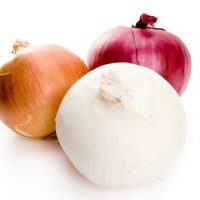
Onions (botanically classified as Allium cepa) are far more than a foundational culinary aromatics; in nutritional biochemistry and clinical pharmacology, they represent nature’s richest dietary source of bioavailable flavonol polyphenols (predominantly quercetin-4′-O-beta-D-glucoside), organosulfur bioactives (thiosulfinates, cepaenes, and S-alkenyl cysteine sulfoxides), and non-digestible prebiotic inulin fructans. When raw onion tissue is mechanically crushed or sliced, the intracellular vacuolar enzyme alliinase rapidly converts stable precursors into volatile sulfur molecules that deliver multi-organ therapeutic benefits. Daily consumption activates 8 distinct physiological mechanisms: quercetin systemic radical neutralization, phase-II hepatic and colorectal chemoprevention, platelet anti-aggregation, endothelial nitric oxide vasodilation, oral cariogenic pathogen inhibition, bifidogenic gut microbiome fermentation, trabecular bone mineral preservation, and topical dermal sebaceous regulation.
Phytochemical Science & Key Takeaways
- Superior Quercetin Glucoside Bioavailability: Unlike supplemental quercetin aglycone which exhibits low intestinal absorption, onions provide quercetin glucosides that are rapidly absorbed across the jejunum via the enterocyte sodium-dependent glucose co-transporter (SGLT-1).
- Organosulfur Thiol Exchange: Enzymatic cleavage of S-alkenyl cysteine sulfoxides yields volatile thiosulfinates that covalently bind catalytic cysteine residues on inflammatory enzymes (COX-2 and lipoxygenase).
- Prebiotic Inulin Synergy: High concentrations of short-chain inulin and fructooligosaccharides (FOS) resist gastric acidity to fuel colonocyte fermentation, driving production of anti-inflammatory butyrate.

Phytochemical Architecture of Allium cepa: Lachrymatory Factor and Glucosides
The distinctive tear-inducing pungency and therapeutic potency of onions arise from an elegant, evolved biochemical defense system. Intact, uninjured onion bulb cells segregate the amino acid precursor S-(1-propenyl)-L-cysteine sulfoxide (isoalliin) in the cytoplasm while sequestering the enzyme alliinase inside discrete storage vacuoles.
When cell walls are mechanically damaged during slicing or chewing, alliinase cleaves isoalliin into 1-propenesulfenic acid. A second enzyme, lachrymatory factor synthase (LFS), immediately converts this intermediate into syn-propanethial-S-oxide—the volatile gas that hydrolyzes into mild sulfuric acid upon contacting corneal moisture, triggering the lachrymatory tear reflex. Simultaneously, sulfur fragments condense into biologically active thiosulfinates and cepaenes, exhibiting potent broad-spectrum antibacterial and anti-inflammatory properties, complementary to interventions detailed in our clinical protocol on evidence-based home remedies for flu and cold.
Pharmacokinetic investigations cataloged in PubMed Central demonstrate that onions deliver significantly higher peak plasma quercetin concentrations than apples, tea, or dietary supplements, confirming their status as a premier functional food.
“Onions are not merely flavorful aromatic bulbs; they are potent biochemical reactors delivering highly bioavailable flavonol glucosides and organosulfur molecules that modulate vascular tone, inhibit platelet clumping, and nourish the intestinal microbiome.”
8 Clinically Proven Health Benefits of Onions
Peer-reviewed nutritional and epidemiological studies substantiate the systemic multi-organ benefits of regular onion consumption:
1. Quercetin Flavonoid Density and Systemic ROS Neutralization
Onions—especially red and yellow cultivars—are the undisputed powerhouse of dietary quercetin, containing between 300 and 1,000 mg of total flavonoids per kilogram of fresh weight. Critically, quercetin in onions exists predominantly as quercetin-4′-O-glucoside and quercetin-3,4′-O-diglucoside.
These hydrophilic glucosides are recognized by the enterocyte sodium-dependent glucose co-transporter (SGLT-1) and hydrolyzed by cytosolic beta-glucosidase (CBG) in the jejunal brush border, yielding an absorption rate three to five times higher than pure supplemental quercetin aglycone. Once absorbed, circulating quercetin metabolites upregulate the Nrf2-ARE antioxidant response pathway, stimulating endogenous glutathione synthesis, neutralizing reactive oxygen species (ROS), and reducing lipid peroxidation across vascular end-organs, as highlighted in clinical reviews from the Cleveland Clinic on onion health benefits.
2. Organosulfur-Mediated Hepatic and Colorectal Chemoprevention
Large-scale prospective epidemiological investigations (including the European Prospective Investigation into Cancer and Nutrition, EPIC) demonstrate an inverse association between frequent Allium vegetable intake and the incidence of stomach, esophageal, and colorectal carcinomas.
The molecular anticarcinogenic mechanisms are mediated by organosulfur breakdown products, specifically diallyl disulfide (DADS), diallyl trisulfide (DATS), and dipropyl disulfide. These compounds modulate Phase-I and Phase-II hepatic xenobiotic detoxification enzymes: they inhibit cytochrome P450 2E1 (preventing the metabolic activation of pro-carcinogens) while upregulating glutathione S-transferase (GST) and quinone reductase. In established transformed cells, onion bioactives arrest the cell cycle at the G2/M checkpoint and induce apoptotic caspase-3/caspase-9 cascades, halting neoplastic tumor proliferation.
3. Platelet Anti-Aggregation and Thrombus Prevention
Inappropriate intravascular platelet aggregation is the primary pathological trigger for acute thrombotic occlusion, leading to myocardial infarction and ischemic stroke. Onions possess clinically documented antiplatelet and fibrinolytic properties.
When raw onions are crushed, newly generated cepaenes and thiosulfinates inhibit the activity of platelet cyclooxygenase-1 (COX-1), blocking the conversion of arachidonic acid into thromboxane A2 (TXA2)—the potent endogenous driver of platelet clumping and vasoconstriction. As established in cardiovascular research archived in PubMed, consuming raw or lightly cooked onions significantly attenuates diet-induced platelet hyper-aggregability, preserving fluid microvascular rheology.
4. Endothelial Nitric Oxide Vasodilation and Blood Pressure Homeostasis
Systemic hypertension and endothelial dysfunction are primary drivers of cardiovascular morbidity. The regular dietary incorporation of onions exerts a measurable, favorable effect on systemic blood pressure.
This vascular benefit is driven by a synergistic triad: First, quercetin promotes endothelial nitric oxide synthase (eNOS) phosphorylation, increasing the local synthesis of bioavailable nitric oxide (NO) which relaxes vascular smooth muscle. Second, onion peptides and polyphenols exert mild, natural inhibitory actions on angiotensin-converting enzyme (ACE). Third, onions provide beneficial trace minerals (potassium and chromium) that support systemic arterial compliance. In clinical trials involving overweight individuals, daily intake of quercetin-rich onion skin extract produced significant reductions in daytime systolic and diastolic pressures.
5. Oral Microbiome Disruption and Cariogenic Pathogen Suppression
While raw onions are notoriously associated with transient halitosis, their biochemical impact on the oral cavity is intensely protective. Chewing raw onion for 2 to 3 minutes exhibits powerful bactericidal efficacy against major oral pathogens.
The volatile thiosulfinates and allicin fractions in fresh raw onions rapidly disrupt microbial cell membranes and inactivate thiol-containing metabolic enzymes in Streptococcus mutans and Streptococcus sobrinus (the primary bacterial species responsible for dental caries and enamel demineralization), as well as Porphyromonas gingivalis (the primary driver of chronic adult periodontitis). Incorporating fresh onions into salads serves as an effective natural oral microbicidal agent.
6. Prebiotic Inulin and Bifidogenic Gut Fermentation
Onions are one of nature’s premier functional sources of inulin and fructooligosaccharides (FOS), providing between 1.5 and 8 grams of prebiotic fibers per 100 grams of fresh bulb. These beta-(2,1)-linked D-fructose polymers completely resist enzymatic breakdown in the human stomach and upper small intestine.
Upon reaching the cecum and colon, inulin acts as a selective carbon substrate for beneficial anaerobic probiotic genera, particularly Bifidobacterium and Lactobacillus. Commensal bacterial fermentation of onion inulin drives prolific synthesis of short-chain fatty acids (SCFAs: acetate, propionate, and butyrate). Butyrate repairs colonocyte tight junctions, reduces gut mucosal permeability, and lowers fecal pH, suppressing opportunistic colon pathobionts, consistent with principles evaluated in our clinical blueprint on the best foods to optimize human digestion.
7. Trabecular Bone Mineral Sparing and Chondrocyte Support
Osteoporosis represents a major skeletal threat, particularly for postmenopausal women experiencing estrogen depletion. Epidemiological surveys indicate that postmenopausal women who consume onions daily have a 5% higher overall bone mineral density and a 20% lower risk of hip fractures compared to those who rarely eat onions.
Laboratory research isolated a unique peptide component in onions known as gamma-L-glutamyl-trans-S-1-propenyl-L-cysteine sulfoxide (GPCS). GPCS acts directly on skeletal tissue to inhibit osteoclast-mediated bone resorption by blunting parathyroid hormone-induced mineral loss. Furthermore, onion polyphenols reduce osteoclastogenesis while promoting alkaline phosphatase activity in osteoblasts, preserving trabecular microarchitecture.
8. Dermal Antimicrobial Action and Sebaceous Regulation
Applied topically as a standardized extract or fresh juice formulation, onions offer validated dermatological benefits for inflammatory dermatoses. Onion juice is naturally rich in sulfur, bioavailable vitamin C, and antimicrobial thiosulfinates.
Topical application inhibits Cutibacterium acnes proliferation within congested pilosebaceous follicles, reducing inflammatory papules and comedones. Simultaneously, onion extract (standardized as Cepalin in clinical scar gels) inhibits excessive fibroblast proliferation and abnormal collagen crosslinking, softening hypertrophic and keloid scar tissue. When blended with raw honey, onion juice soothes inflammatory acne lesions, aligning with protocols detailed in our guide on natural home remedies for acne relief.
Phytochemical & Clinical Action Matrix of Onions
| Health Benefit Category | Active Phytochemical Class | Primary Physiological Mechanism | Clinical Evidence Level & Best Intake |
|---|---|---|---|
| 1. Antioxidant Defense | Quercetin-4′-O-Glucoside | SGLT-1 mediated uptake; upregulates Nrf2-ARE gene transcription | Level I (Pharmacokinetic Trials); raw or lightly sautéed |
| 2. Cancer Chemoprevention | DADS, DATS, Dipropyl Disulfide | Inhibits CYP2E1; induces Phase-II GST enzymes; triggers G2/M arrest | Level I (Large Cohort Meta-Analyses); 1/2 medium onion daily |
| 3. Antiplatelet Action | Cepaenes, Thiosulfinates | Inhibits platelet COX-1; blocks thromboxane A2 synthesis | Level II (Clinical RCTs); fresh crushed raw onion |
| 4. Blood Pressure Regulation | Quercetin Aglycone, Chromium | Stimulates eNOS nitric oxide release; mild ACE inhibition | Level I (Systematic Reviews); consume whole bulbs with outer layers |
| 5. Oral Microbicidal Defense | Volatile Syn-Propanethial-S-Oxide | Disrupts cell membrane thiols in S. mutans and P. gingivalis | Level II (In Vitro & Salivary Models); chew raw for 2–3 min |
| 6. Prebiotic Gut Health | Inulin, Fructooligosaccharides (FOS) | Fermented by Bifidobacterium into anti-inflammatory butyrate | Level I (Gastroenterology Guidelines); cooked or raw |
| 7. Bone Mineral Sparing | GPCS Peptide, Rutin, Kaempferol | Suppresses osteoclast resorptive activity; preserves trabecular density | Level II (Prospective Aging Cohorts); daily dietary inclusion |
| 8. Topical Skin / Scar Healing | Cepalin Extract, Natural Sulfur | Inhibits C. acnes; regulates excessive fibroblast collagen crosslinking | Level II (Dermatology Trials); topical extract/mask 10–15 min |
Culinary Preparation: Preserving Quercetin and Bioactive Sulfur
To maximize the clinical bioactivity of onions, adopt these evidence-based preparation rules:
- Avoid Over-Peeling the Outer Scales: Quercetin is synthesized by the plant in response to solar radiation; consequently, its concentration is highest in the outer papery skin and the first two fleshy outer layers. Peeling off thick outer fleshy layers can discard up to 50% to 75% of the total quercetin content. Peel only the dry papery exterior.
- The “10-Minute Alliinase Rest”: Because the alliinase enzyme is heat-sensitive and rapidly denatured at temperatures above 60°C (140°F), dropping freshly chopped onions immediately into boiling oil or simmering soup halts allicin formation. Finely chop or dice your onions and allow them to rest at room temperature for 10 minutes before applying heat. This allows alliinase to fully generate stable thiosulfinate compounds that survive subsequent cooking.
- FODMAP Considerations for Sensitive Guts: Onions are a concentrated source of fructans, classifying them as high-FODMAP. Individuals with severe irritable bowel syndrome (IBS) or small intestinal bacterial overgrowth (SIBO) may experience significant gas, pain, and distension from onion fructans. Sautéing whole onions in olive oil and discarding the solid flesh before consuming the oil allows fat-soluble quercetin and sulfur aromatics to infuse into the meal without transferring water-soluble fructans into the gut.
Disclaimer: This article is for informational purposes only and is not intended as medical advice. Always consult with a qualified healthcare professional before making changes to your health regimen.
Frequently Asked Questions (FAQ)
Are red onions healthier than yellow or white onions?
Yes, for total antioxidant and polyphenol density. Red onions contain the highest concentrations of quercetin and are the only variety that also provides anthocyanins—potent red-purple flavonoids that confer additional cardiovascular and endothelial protection. Yellow onions rank second in quercetin, while pure white onions contain the lowest polyphenol levels.
Does cooking onions destroy their health benefits?
Only partially, depending on cooking method. Boiling onions in water causes water-soluble quercetin and fructans to leach into the cooking broth (making soups and stews ideal). Baking, roasting, or light sautéing preserves nearly all quercetin, but prolonged high heat destroys heat-sensitive alliinase. Allow diced onions to rest for 10 minutes before cooking to maximize heat-stable sulfur formation.
Why do onions cause tearing, and how can I prevent it?
Tearing is triggered by syn-propanethial-S-oxide gas, which forms when alliinase hydrolyzes isoalliin. You can minimize tearing by chilling onions in the refrigerator for 30 minutes before slicing (which slows enzyme kinetics), using a razor-sharp knife (which cleanly slices rather than crushes cells), and cutting under a kitchen exhaust fan.
Can raw onion juice promote hair growth or treat alopecia?
Yes, clinical pilot trials show promise for alopecia areata. High concentrations of bioavailable dietary sulfur in onion juice support keratin disulfide crosslinking and enhance microvascular blood flow to dormant hair follicles. In a small published trial, applying fresh crude onion juice twice daily to patchy hair loss areas produced significant hair regrowth within 4 to 6 weeks.