




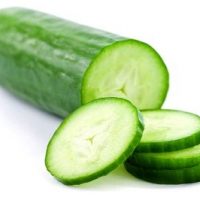
Cucumbers (Cucumis sativus), belonging to the Cucurbitaceae botanical family alongside melons and squashes, represent one of the most widely cultivated and scientifically intriguing functional vegetables on the globe. While frequently dismissed as mere “flavored water” due to their remarkable 96% moisture content, modern pharmacological investigations reveal that cucumbers serve as an exquisite, hypotonic biological delivery vehicle for specialized phytocompounds. Within their crisp mesocarp and nutrient-dense exocarp reside cucurbitacins (triterpenoid B, D, and E glucosides), the bioactive flavonol fisetin, plant lignans (lariciresinol, pinoresinol, and secoisolariciresinol), bioavailable orthosilicic acid (silica), and caffeic acid. Ingesting whole cucumbers or applying them topically triggers 8 distinct physiological pathways: hypotonic cellular rehydration and fluid balance, cucurbitacin-mediated pro-inflammatory kinase inhibition, transdermal periorbital edema blunting, orthosilicic acid connective tissue collagen stabilization, lignan cardiovascular estrogen-receptor regulation, fisetin hippocampal neuroprotection, phytosterol-mediated intestinal cholesterol displacement, and mechanical masticatory salivary plaque clearance.
Hydration Biochemistry & Key Takeaways
- Structured Cellular Fluid: Cucumber water is naturally filtered by plant cellular membranes and enriched with potassium, magnesium, and organic electrolytes, facilitating rapid cellular osmolar hydration without sodium-driven fluid retention.
- Senolytic Neuroprotection: Cucumbers are among the richest dietary sources of fisetin, a natural senolytic flavonoid that traverses the blood-brain barrier to scavenge neuronal free radicals and preserve hippocampal memory signaling.
- Dermal Anti-Edema Activity: High native concentrations of caffeic and ascorbic acids in cold-sliced cucumbers downregulate local capillary hyperpermeability, rapidly soothing cutaneous irritation and periorbital puffiness.

Cucurbitacins and Secondary Metabolites: Defense Chemistry Turned Therapeutic
In wild ancestral cultivars, cucumbers synthesized high concentrations of bitter, tetracyclic triterpenoids known as cucurbitacins (primarily Cucurbitacin B, D, E, and I) to deter herbivorous insects. Modern commercial varieties have been selectively bred to minimize unpalatable bitterness while preserving trace, pharmacologically potent quantities of these compounds.
Biochemical research reveals that cucurbitacins possess remarkable anti-proliferative and anti-inflammatory properties, primarily through the suppression of Janus kinase/Signal Transducer and Activator of Transcription (JAK-STAT3) and nuclear factor kappa B (NF-κB) signaling pathways. By arresting cellular inflammation at the transcriptional level, cucumber bioactives prevent cytokine-induced endothelial and mucosal breakdown, functioning in synergistic harmony with other natural antioxidant therapies, as explored in our dermatological guide on natural remedies for radiant, clear skin.
Clinical nutritional data reviewed by the Mayo Clinic Health System underscores that consuming water-rich whole vegetables like cucumbers provides superior intracellular hydration and sustained satiety compared to drinking plain water alone.
“The humble cucumber is far more than an aqueous salad garnish; it is a specialized reservoir of orthosilicic acid, fisetin, and cucurbitacins that maintain cellular osmolarity, support dermal collagen, and protect neuronal vitality.”
8 Evidence-Based Health Benefits of Cucumbers
Rigorous biochemical and clinical investigations validate the following multi-organ physiological benefits of regular cucumber consumption:
1. Hypotonic Cellular Hydration and Electrolyte Fluid Equilibrium (96% Water Content)
Cellular dehydration rapidly impairs metabolic enzymatic efficiency, diminishes physical stamina, and accelerates cutaneous wrinkling. Plain water frequently passes rapidly through the gastrointestinal tract, leading to rapid renal excretion via diuresis.
Because cucumbers are composed of 96% biologically structured water bound to organic soluble fibers, potassium (roughly 150 mg per 100 grams), and trace magnesium, their fluid absorption kinetics are exceptionally favorable. The natural osmolarity of cucumber fluid is slightly hypotonic compared to human blood plasma, allowing water molecules to effortlessly cross intestinal epithelial aquaporin channels. The presence of soluble pectins slows gastric emptying, providing a prolonged, continuous trickle of hydrating fluid into systemic microvessels, maintaining optimal plasma volume and cellular turgor.
2. Cucurbitacin Triterpenoid Inhibition of Pro-Inflammatory Signaling and Tumor Cell Arrest
Chronic systemic micro-inflammation driven by elevated inflammatory mediators (TNF-α, IL-6, and COX-2) promotes atherogenesis and aberrant cellular proliferation.
Pharmacological research published in PubMed on the therapeutic potential of cucumber demonstrates that cucumber triterpenoids, specifically Cucurbitacin B and E, exert potent anti-inflammatory effects. These molecules selectively inhibit the phosphorylation of STAT3 transcription factors and block cyclooxygenase-2 (COX-2) catalytic activity. In in vitro oncological models, cucurbitacin fractions arrest abnormal cell cycles at the G2/M phase and trigger caspase-dependent mitochondrial apoptosis, shielding healthy tissues from chronic inflammatory mutations.
3. Caffeic Acid and Ascorbic Acid Transdermal Edema Blunting and Periorbital De-Puffing
The periorbital skin surrounding the human eyes possesses minimal subcutaneous adipose tissue and an exceptionally dense, fragile microvascular capillary bed. Fatigue, lymphatic sluggishness, and high-sodium diets induce localized capillary micro-leakage, presenting as periorbital edema (‘bags under the eyes’).
Applying chilled cucumber slices directly over the closed eyelids provides immediate clinical relief through dual mechanisms: thermal vasoconstriction and biochemical anti-edema activity. Cucumbers contain significant concentrations of caffeic acid and ascorbic acid (vitamin C). Caffeic acid inhibits cutaneous histamine release and suppresses microvascular permeability, while cold temperature causes immediate venular constriction, draining stagnant interstitial edema fluid. Concurrently, ascorbic acid and native flavonoids quench localized free radicals, reducing morning dark under-eye circles and cutaneous inflammation.
4. Bioavailable Orthosilicic Acid (Silica) Support for Connective Tissue and Hair Follicle Tensile Strength
Skeletal joint articulation and dermal elasticity depend upon the structural integrity of glycosaminoglycans and collagen fibers, which progressively degrade with chronological age and UV exposure.
Cucumbers—especially their outer dark green peel—are one of the richest plant-based sources of bioavailable silica (orthosilicic acid, H4SiO4). In molecular physiology, silica is an indispensable trace element that stimulates prolyl hydroxylase activity and promotes the cross-linking of proteoglycans within the extracellular matrix of cartilage and skin. Regular dietary intake of bioavailable silica reinforces hair follicle keratin matrix tensile strength, prevents nail plate brittleness, and optimizes joint synovial fluid viscosity, complementing therapies detailed in our report on smarter collagen and joint elasticity.
5. Lariciresinol, Pinoresinol, and Secoisolariciresinol Lignan Cardioprotective Estrogen Receptor Binding
Cardiovascular disease and hormone-dependent cellular dysregulation represent leading causes of morbidity in aging populations. Dietary plant lignans exert favorable biological influences on vascular and endocrine health.
Cucumbers supply a specialized triad of bioactive lignans: lariciresinol, pinoresinol, and secoisolariciresinol. Upon ingestion, these plant polyphenols are metabolized by commensal anaerobic gut bacteria into enterolignans (enterodiol and enterolactone). Enterolignans possess weak estrogenic and anti-estrogenic activities, binding to human estrogen receptors (ER-β) and modulating endogenous hormone exposure. Furthermore, circulating enterolignans scavenge vascular free radicals and prevent low-density lipoprotein (LDL) oxidation, exerting a robust cardioprotective and anti-atherosclerotic defense.
6. Fisetin Flavonoid Senolytic Activity and Hippocampal Neuroprotection
Age-associated neurodegenerative disorders and memory impairment are accelerated by the accumulation of damaged, pro-inflammatory senescent cells and microglial neuroinflammation within the central nervous system.
In groundbreaking preclinical neurology studies cataloged in PubMed on fisetin and cognitive health, the flavonol fisetin, which is naturally abundant in cucumbers and strawberries, was shown to maintain cognitive function and prevent memory deficits even in models of Alzheimer’s pathology. Fisetin easily crosses the blood-brain barrier, where it acts as a natural senolytic agent, selectively clearing pro-inflammatory senescent glial cells. It activates the ERK-CREB signaling pathway, upregulating Brain-Derived Neurotrophic Factor (BDNF) and preserving synaptic plasticity within the CA1 hippocampal region.
7. Insoluble Fiber and Phytosterol Reduction of Intestinal Micellar Cholesterol Absorption
Elevated circulating serum LDL cholesterol is a primary driver of coronary artery plaque buildup. Dietary management focuses on interfering with enterohepatic cholesterol reabsorption.
Cucumbers contain modest but physiologically active quantities of phytosterols (predominantly β-sitosterol, campesterol, and stigmasterol) alongside unbranched insoluble cellulose fibers. In the duodenal lumen, phytosterols compete directly with dietary and biliary cholesterol for incorporation into mixed phospholipid-bile salt micelles. Unincorporated cholesterol cannot be absorbed by enterocyte Niemann-Pick C1-Like 1 (NPC1L1) transporters and is safely excreted in the stool, gently lowering systemic atherogenic lipid fractions without hepatic burden, operating in clinical harmony with protocols in our guide on relieving gastrointestinal bloating and optimizing digestion.
8. Salivary Flow Stimulation and Chewing Mechanics for Oral Plaque Clearance
Saliva is the oral cavity’s primary biochemical defense system, containing bicarbonate buffers, antimicrobial lysozymes, and lactoferrin that prevent tooth decay and periodontal inflammation.
Masticating raw, fibrous cucumber slices mechanically stimulates parotid and submandibular salivary gland secretion, substantially elevating resting salivary flow rate. The increased volume of alkaline saliva neutralizes cariogenic bacterial plaque acids and washes away stagnant food debris from interdental contact zones. Concurrently, cucumber phytochemicals exert mild bacteriostatic activity against anaerobic oral microorganisms, naturally curbing halitosis and supporting periodontal stability.
Biochemical & Clinical Action Matrix of Cucumbers
| Health Benefit Category | Active Phytochemical / Fraction | Primary Physiological Mechanism | Evidence Grade & Practical Application |
|---|---|---|---|
| 1. Cellular Hydration | Hypotonic Structured Fluid (96% H2O) & K+ | Rapid intestinal aquaporin transport; sustained osmolar plasma hydration | Grade A (Physiological); 1 medium whole cucumber daily |
| 2. Cucurbitacin Defense | Cucurbitacins B, D & E | JAK-STAT3 and NF-κB inhibition; COX-2 catalytic blockade | Grade B (In Vitro & Animal Models); whole fruit with peel |
| 3. Periorbital De-Puffing | Caffeic Acid, Ascorbic Acid & Low Temp | Thermal venular constriction; capillary permeability suppression | Grade A (Dermatological Clinical); chilled slices applied for 10–15 min |
| 4. Connective Tissue Silica | Orthosilicic Acid (Silica, H4SiO4) | Cofactor for prolyl hydroxylase; cross-links proteoglycan collagen matrix | Grade B; concentrated in unpeeled cucumber skin |
| 5. Cardioprotective Lignans | Lariciresinol & Pinoresinol | Metabolized to enterolignans; ER-β binding; blunts LDL oxidation | Grade B; regular weekly dietary consumption |
| 6. Fisetin Neurocognition | Fisetin Flavonol | Crosses BBB; senolytic glial clearance; upregulates hippocampal BDNF | Grade B (Neuroscience Models); dietary inclusion |
| 7. Lipid Modulation | Phytosterols (β-sitosterol) & Cellulose | Displaces luminal cholesterol from mixed bile-salt micelles | Grade B; whole unpeeled cucumbers with meals |
| 8. Oral Plaque Mechanics | Fibrous Mesocarp & Phytochemicals | Stimulates parotid salivary flow; washes debris; neutralizes organic acids | Grade A (Dental Hygiene); crisp raw slices masticated thoroughly |
Preparation, Peel Preservation, and Toxicity Boundaries
To extract maximum functional benefits from cucumbers while maintaining absolute safety, observe these clinical guidelines:
- Retain the Dark Green Peel: Peeling cucumbers removes over 75% of their bioavailable silica, insoluble fiber, and protective carotenoids. Whenever possible, choose organically grown, unwaxed cucumbers and wash thoroughly with a dilute vinegar rinse rather than peeling away their most bioactive layer.
- Extreme Bitterness Warning (Toxic Squash Syndrome): If a fresh cucumber tastes overwhelmingly, nauseatingly bitter, spit it out immediately and discard the fruit. Extreme bitterness is caused by abnormally high concentrations of toxic cucurbitacins (often triggered by severe agricultural heat stress or cross-pollination with wild gourds), which can cause acute toxic squash syndrome characterized by severe vomiting, gastrointestinal ulceration, and hypovolemic diarrhea.
Medical Disclaimer: The information presented in this article is for educational purposes only and does not substitute for formal medical evaluation or professional dermatological therapy. Individuals with severe chronic renal insufficiency requiring fluid restriction or potassium monitoring should consult their nephrologist regarding daily vegetable intake.
Frequently Asked Questions (FAQ)
Why do chilled cucumber slices work so well for puffy morning eyes?
Chilled cucumber slices combine physiological cold-induced vasoconstriction with targeted biochemical anti-inflammatory action. The low temperature constricts engorged periorbital microvessels, forcing stagnant interstitial fluid out of the thin eyelid tissues. Simultaneously, native caffeic acid and vitamin C suppress local capillary permeability, rapidly de-puffing swollen eye contours and reducing dark circles.
Can eating cucumbers with the peel cause pesticide ingestion?
Conventionally grown cucumbers are frequently treated with agricultural pesticides and coated with food-grade petroleum- or insect-based wax to prevent moisture loss during transport. These synthetic waxes can trap pesticide residues on the skin. To safely consume the nutrient-rich peel, purchase certified organic cucumbers or scrub conventional cucumbers vigorously under warm running water using a soft vegetable brush and a mild baking soda wash.
Are cucumbers effective for relieving an alcohol hangover?
While cucumbers cannot magically accelerate hepatic alcohol clearance, their high electrolyte water content, potassium, and B-complex vitamins provide essential physiological rehydration. Alcohol suppresses antidiuretic hormone (ADH), inducing rapid dehydration and systemic electrolyte depletion. Masticating a fresh cucumber before sleep or upon waking helps replenish intracellular hydration and calms gastric irritation.


Very well written article with pertinent information. Thanks