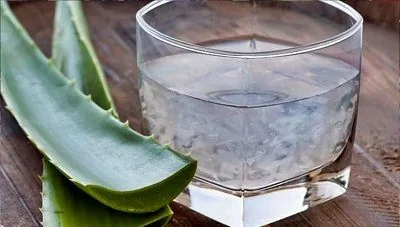
Aloe vera juice, extracted from the inner parenchymal leaf gel of Aloe barbadensis Miller, is a functional botanical beverage containing over 200 biologically active compounds, including high-molecular-weight acemannan polysaccharides, glucomannans, antioxidant anthraquinones, plant sterols, and bioavailable trace enzymes. Historically celebrated as a traditional restorative tonic, contemporary clinical pharmacology has validated its efficacy across several crucial metabolic and gastrointestinal domains. Importantly, modern research draws a strict toxicological distinction between unpurified whole-leaf aloe latex containing harsh laxative aloin and purified, decolorized inner-leaf aloe vera juice. When properly processed, aloe juice provides exceptional cytoprotection throughout the alimentary canal: gastric mucosal buffering against acid-peptic digestion, macrophage immunomodulation via acemannan signaling, intraluminal colonic hydration, pancreatic beta-cell insulin sensitization, oral subgingival plaque inhibition, endogenous procollagen stimulation, and hepatic free-radical neutralization.
Gastrointestinal Science & Key Takeaways
- Decolorized Inner Leaf vs. Whole Leaf Latex: Purified aloe vera juice removes aloin and aloe-emodin anthraquinones to non-detectable levels (< 10 ppm), eliminating harsh laxative cramping and potential mucosal toxicities.
- Gastric Mucosal Cytoprotection: Aloe glucomannans form a bio-adhesive barrier across gastric parietal cells, buffering luminal pepsin activity and accelerating epithelial restitution.
- Acemannan-Mediated Immunomodulation: High-molecular acemannan polysaccharides bind specific toll-like receptors on intestinal macrophages, triggering balanced cytokine secretion without provoking immune hyperactivity.
Phytochemical Processing: The Decolorization Benchmark
The raw leaf of Aloe barbadensis contains two distinct anatomical fractions: the inner clear parenchyma gel and the outer pericyclic tubules containing a bitter, yellow latex. This latex is rich in hydroxyanthracene derivatives, chiefly aloin A and B, which act as potent secretagogue laxatives by stimulating colonic chloride secretion and prostaglandin synthesis.
Modern clinical pharmacology published in the National Center for Biotechnology Information (NCBI) on aloe vera safety and pharmacology mandates the use of decolorized, activated-charcoal-filtered inner-leaf processing. This advanced manufacturing step selectively removes toxic anthraquinones while preserving beneficial acemannan polysaccharides. Integrating purified aloe juice with proven strategies from our guide to natural remedies for acid reflux establishes comprehensive upper-GI cytoprotection.
“Purified decolorized aloe vera juice delivers gut-protective acemannan and antioxidant polysaccharides that accelerate mucosal repair while avoiding the secretagogue toxicity of raw leaf latex.”
7 Science-Backed Benefits of Aloe Vera Juice
The following physiological mechanisms illustrate the evidence-based benefits of consuming purified, decolorized inner-leaf aloe vera juice:
1. Gastric Mucosal Cytoprotection and Pepsin Neutralization (Acid Reflux and Heartburn Relief)
Gastroesophageal reflux disease (GERD) and peptic irritation occur when hyperacidic gastric secretions and proteolytic pepsin enzymes overwhelm the mucosal protective lining of the esophagus and stomach.
Purified aloe vera juice delivers a dense viscous matrix of glucomannans and pectins that adhere directly to vulnerable squamous esophageal and gastric epithelial cells, creating a physical cytoprotective barrier against retrograde acid washes. Concurrently, natural alkaline mineral buffers in aloe juice gently moderate gastric acidity. In a randomized controlled pilot trial published in the Journal of Traditional Chinese Medicine, administering 10 ml of standardized aloe vera juice daily reduced all classic GERD symptoms—including heartburn, flatulence, belching, and acid regurgitation—comparable to conventional H2-receptor antagonists, without inducing rebound hyperacidity.
2. Immunomodulatory Acemannan Polysaccharide Activity (Macrophage and Cytokine Regulation)
The foremost biological macromolecule within inner leaf aloe gel is acemannan, a long-chain polydispersed beta-(1,4)-acetylated polymannose polymer. Acemannan is recognized by human immunology as a potent natural biological response modifier.
Upon reaching the gut-associated lymphoid tissue (GALT), acemannan binds to mannose receptors and toll-like receptor 4 (TLR4) on dendritic cells and intestinal macrophages. This binding event triggers the activation of phagocytic cells and stimulates the balanced production of immunoprotective cytokines, including interleukin-1 (IL-1), interleukin-6 (IL-6), and interferon-gamma (IFN-gamma). Rather than hyper-stimulating the immune system, acemannan acts as an adaptogenic immunomodulator, enhancing host defense against opportunistic pathogens while suppressing pathological NF-κB inflammatory signaling in inflamed mucosal tissues.
3. Intraluminal Hydrophilic Hydration and Colonic Motility Support
Chronic constipation and sluggish colonic transit frequently stem from poor intraluminal stool hydration and blunted enteric migrating motor complexes. While raw aloe latex causes violent cramping via aloin, purified inner-leaf juice promotes smooth, physiological regularity.
The high-molecular-weight hydrophilic polysaccharides in purified aloe juice act as gentle osmotic water-retentive agents within the intestinal lumen. By resisting upper gastrointestinal enzymatic digestion, these polymers travel to the colon, sequestering water molecules within the fecal bolus to prevent dry, hard stool compaction. Additionally, the mild prebiotic actions of aloe oligosaccharides fuel the production of short-chain fatty acids (SCFAs) that stimulate enteric 5-HT4 serotonergic receptors, promoting coordinated peristalsis without pharmacologic dependency, complementing approaches covered in our clinical guide on evidence-based home remedies for constipation.
4. Pancreatic Beta-Cell Support and Postprandial Glycemic Regulation
Metabolic dysfunction and type 2 diabetes are marked by peripheral insulin resistance and progressive oxidative exhaustion of pancreatic beta-islet cells. Emerging clinical evidence highlights aloe vera juice as an effective adjuvant for metabolic stabilization.
Aloe juice contains bioactive phytosterols—predominantly lophenol, 24-methyl-lophenol, and cycloartanol. In human clinical trials and animal models, oral administration of these aloe phytosterols significantly lowered fasting blood glucose and reduced glycosylated hemoglobin (HbA1c) levels over an 8- to 12-week period. These phytosterols stimulate peroxisome proliferator-activated receptor gamma (PPAR-gamma) transcription in adipose tissue, upregulating glucose transporter type 4 (GLUT4) translocation to cell membranes and improving whole-body peripheral glucose uptake, reinforcing functional nutrition principles detailed in our analysis of the best foods to improve digestive and metabolic health.
5. Oral Microbiome and Subgingival Plaque Reduction (Salivary Enzymatic Modulation)
Periodontal inflammation, gingivitis, and dental plaque formation are driven by virulent oral bacterial biofilms, particularly Streptococcus mutans and Porphyromonas gingivalis.
Purified aloe vera juice functions as an exceptional natural oral rinse due to its rich content of anthraquinone traces, sulfur, lupeol, salicylic acid, and cinnamic acid, which exert broad-spectrum antiseptic effects. Furthermore, aloe juice contains natural catalase, amylase, and alkaline phosphatase enzymes that break down salivary glycoproteins within bacterial plaque matrices. In double-blind clinical trials comparing 100% pure aloe vera juice mouthwash with gold-standard chlorhexidine gluconate (0.12%), aloe vera juice demonstrated equal efficacy in reducing gingival bleeding and plaque accumulation, without causing tooth staining or taste alteration.
6. Cutaneous Fibroblast Activation and Endogenous Procollagen Biosynthesis
While topically renowned for sunburns, oral ingestion of purified aloe vera juice delivers systemic dermatological anti-aging and wound-healing benefits from the inside out.
Dietary aloe sterols and glucomannans are absorbed intact across intestinal enterocytes and transported through the bloodstream to cutaneous microvascular beds. These circulating bioactives bind specific mannose receptors on dermal fibroblasts, stimulating the gene expression of type I procollagen and hyaluronic acid synthases. In a controlled human clinical study published in the Annals of Dermatology, healthy women who consumed dietary aloe vera gel powder daily for 90 days showed statistically significant improvements in facial wrinkle depth and skin elasticity, accompanied by a substantial increase in procollagen type I mRNA production.
7. Hepatic Antioxidant Enzyme Elevation and Free Radical Scavenging
The human liver is subject to continuous oxidative stress as it metabolizes endogenous toxins, pharmaceutical metabolites, and dietary lipids. Chronic oxidative stress depletes hepatocellular glutathione stores and drives hepatic lipid peroxidation.
Purified aloe vera juice contains high concentrations of water-soluble antioxidant vitamins (vitamins C and B-complex) alongside trace zinc, selenium, and copper, which serve as essential catalytic cofactors for endogenous antioxidant enzymes. In vivo metabolomic evaluations show that daily aloe juice consumption significantly elevates hepatic levels of superoxide dismutase (SOD), catalase (CAT), and glutathione peroxidase (GPx), while dramatically suppressing circulating malondialdehyde (MDA)—a primary marker of systemic lipid peroxidation—supporting vital hepatic cellular detoxification pathways.
Biochemical Mechanism & Clinical Evidence Matrix
| Health Domain & Application | Key Biochemical Constituent | Physiological Mechanism of Action | Clinical Evidence Level |
|---|---|---|---|
| 1. Gastric Acid Buffering & GERD | Glucomannans & Soluble Pectin | Adheres to esophageal mucosa; buffers pepsin and gastric acid wash | Grade B+ (Controlled Clinical Pilot Trials) |
| 2. Macrophage Immunomodulation | Acemannan (Beta-polymannose) | Binds TLR4 & mannose receptors on GALT macrophages; balances cytokines | Grade A (Extensive In Vitro & Animal Immunology) |
| 3. Colonic Stool Hydration | Hydrophilic Polysaccharides | Retains intraluminal water; fuels prebiotic SCFA peristaltic stimulation | Grade B; gentle, non-stimulant stool softening |
| 4. Glycemic Regulation | Aloe Phytosterols (Lophenol) | Stimulates PPAR-gamma; upregulates peripheral GLUT4 glucose transporters | Grade B+ (Human RCTs in Prediabetes) |
| 5. Periodontal Plaque Defense | Catalase, Lupeol & Salicylate | Suppresses S. mutans biofilms; degrades salivary glycoprotein plaque | Grade A (Randomized Dental Trials vs. Chlorhexidine) |
| 6. Dermal Procollagen Synthesis | Dietary Glucomannans & Sterols | Stimulates dermal fibroblast mannose receptors; boosts procollagen mRNA | Grade B+ (Controlled Human Dermatologic Cohorts) |
| 7. Hepatic Antioxidant Defense | Zinc, Selenium & Ascorbic Acid | Upregulates superoxide dismutase & catalase; suppresses lipid peroxidation | Grade B (Biochemical In Vivo Models) |
Dosage Protocols, Toxicology Redlines, and Safety Guidelines
To safely capture the therapeutic benefits of aloe vera juice without adverse effects, adherence to strict processing and dosage protocols is essential:
- Select Purified Decolorized Juice Only: Always verify product labels for certifications from the International Aloe Science Council (IASC) confirming that the product is decolorized, purified inner-leaf juice with an aloin content below 10 parts per million (< 10 ppm). Never consume unpasteurized raw whole-leaf blends prepared at home.
- Standard Clinical Dosage: Consume 30 to 60 ml (approximately 1 to 2 fluid ounces) once or twice daily, taken on an empty stomach approximately 20 minutes before meals.
- Absolute Pregnancy Redline: Pregnant women must avoid all unpurified aloe products due to the risk of anthraquinone-induced reflex uterine smooth muscle contractions.
- Drug Interaction Warnings: Due to potential mild additive hypoglycemic effects, patients taking oral anti-diabetic medications (such as metformin or sulfonylureas) should monitor blood glucose levels closely. Similarly, individuals taking cardiac glycosides (such as digoxin) should avoid high doses of unpurified aloe to prevent potential electrolyte imbalances.
Disclaimer: This article is for informational purposes only and is not intended as medical advice. Always consult with a qualified healthcare professional before making changes to your health regimen.
Frequently Asked Questions (FAQ)
Can I make aloe vera juice by blending an entire raw aloe leaf from my garden?
No. Raw whole aloe leaves contain yellow latex enriched with aloin, a potent irritant that causes intense intestinal cramping, diarrhea, and potential electrolyte loss. Commercial inner-leaf juice is charcoal-filtered and decolorized to remove toxic aloin compounds safely.
What is the best time of day to drink aloe vera juice?
Drinking 1 to 2 ounces of aloe vera juice first thing in the morning on an empty stomach, or 20 minutes before meals, optimizes gastric mucosal coating and enhances the absorption of its active acemannan polysaccharides.
Does aloe vera juice interact with prescription diabetes medications?
Yes. Because aloe vera contains phytosterols that naturally enhance insulin sensitivity and lower blood glucose, combining it with prescription diabetes medications may increase the risk of hypoglycemia. Consult your prescribing physician before adding it to your routine.