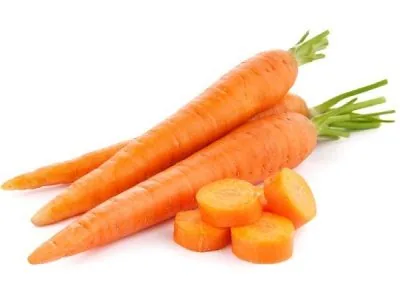
Carrots (Daucus carota subsp. sativus) represent one of humanity’s premier dietary sources of provitamin A carotenoids (predominantly beta-carotene and alpha-carotene), polyacetylenes (falcarinol and falcarindiol), pectin dietary fibers, and vascular-protective potassium. Historically prized for their crisp texture and natural sweetness, carrots provide exceptional nutritional density with modest caloric impact (approximately 41 kcal per 100 g). Crucially, the biological efficacy of carrot carotenoids is governed by culinary matrix physics: cellular disruption through cooking or mechanical grating combined with dietary lipids increases fat-soluble beta-carotene bioavailability by over 600%. Regular carrot consumption exerts measurable physiological impacts across multiple systems: ocular scotopic adaptation via rhodopsin regeneration, polyacetylene-mediated chemoprotective signaling, insoluble and soluble colonic stool bulk conditioning, macular blue-light shielding, vascular arterial compliance, cutaneous photoprotective pigment accumulation, and postprandial glycemic stabilization.
Quick Nutrition Science & Key Takeaways
- Provitamin A Cleavage Kinetics: Intestinal enterocytes convert dietary beta-carotene into retinal via the cytosolic enzyme beta-carotene 15,15′-oxygenase (BCO1), producing essential visual pigments.
- Lipid-Dependent Bioavailability: Raw unchopped carrots release less than 5% of their total carotenoid content; lightly steaming carrots with a healthy dietary fat (such as olive oil) elevates carotenoid absorption past 35%.
- Falcarinol Cytoprotection: Beyond vitamins, carrots contain aliphatic polyacetylenes that activate endogenous anti-inflammatory pathways and protect gastrointestinal tissues against neoplastic shifts.
Carotenoid Biotransformation: From Orange Taproot to Active Retinoids
Beta-carotene is a symmetrical 40-carbon tetraterpene packed tightly inside carrot chromoplast crystalline structures. To exert systemic biological activity, these chromoplast pigment complexes must be physically liberated during mastication or food preparation, solubilized into mixed lipid micelles in the duodenal lumen, and transported into enterocytes.
Extensive clinical reviews in the National Center for Biotechnology Information (NCBI) on carotenoid bioavailability and visual physiology illustrate that central enzymatic cleavage by BCO1 generates two molecules of all-trans retinal, which the liver stores as retinyl esters. Integrating whole carrots into balanced eating protocols, such as those detailed in our comprehensive guide on fiber-forward nutrition and digestive wellness, optimizes gastrointestinal transit while maximizing micronutrient liberation.
“Carrots are a metabolic storehouse of provitamin A carotenoids; optimizing their culinary preparation with gentle thermal processing and lipid pairing unlocks their maximum systemic therapeutic potential.”
7 Proven Health Benefits of Carrots
The following physiological advantages highlight why carrots remain a cornerstone of evidence-based functional nutrition:
1. Provitamin A Beta-Carotene and Rhodopsin Regeneration (Scotopic and Twilight Vision)
The most iconic health attribute of carrots is rooted in rigorous ocular biochemistry. The photoreceptor rod cells in the human retina are responsible for vision in low-light conditions (scotopic vision), a sensory process requiring the light-sensitive photopigment rhodopsin.
Rhodopsin consists of the protein opsin covalently bound to 11-cis-retinal, a direct downstream metabolite of carrot beta-carotene. When a photon of light strikes rhodopsin, 11-cis-retinal photoisomerizes into all-trans-retinal, triggering a neurochemical cascade that sends visual signals through the optic nerve to the cerebral visual cortex. A deficiency in systemic retinoids delays rhodopsin regeneration time, manifesting clinically as nyctalopia (night blindness). Consuming one medium carrot supplies over 200% of the daily adult requirement for vitamin A equivalents, ensuring rapid rod photoreceptor recycling and sharp dark adaptation.
2. Falcarinol and Falcarindiol Polyacetylenes (Bioactive Chemoprotective Modulation)
While carotenoids receive significant public attention, carrots are also the primary dietary source of aliphatic C17-polyacetylenes, specifically falcarinol (carotatoxin) and falcarindiol. These compounds serve as natural antifungal phytoalexins within the plant root.
In mammalian physiology, falcarinol exhibits potent cytoprotective and anti-inflammatory properties. Animal and cell culture studies published in nutritional oncology journals reveal that falcarinol inhibits the nuclear transcription factor NF-κB and activates the Nrf2-ARE (antioxidant response element) cytoprotective pathway. By inducing phase II detoxifying enzymes, polyacetylenes reduce DNA strand breaks caused by dietary mutagens. Large cohort studies observe an inverse correlation between regular root vegetable intake and colorectal neoplasia, demonstrating the chemoprotective synergy of whole food matrix polyacetylenes.
3. Insoluble Lignin and Soluble Pectin Fiber Matrix (Colonic Transit and SCFA Production)
Carrots deliver approximately 2.8 to 3.0 grams of dietary fiber per 100 grams, distributed between insoluble fibers (cellulose and lignin) and soluble viscous fibers (predominantly pectin).
Insoluble cellulose fibers provide non-digestible physical scaffolding that mechanically stretches colonic mechanoreceptors, accelerating propulsive peristaltic transit and preventing stool compaction. Concurrently, soluble carrot pectins dissolve into a viscous hydrogel that acts as a prebiotic substrate for beneficial gut microbes, notably Faecalibacterium prausnitzii and Roseburia species. Bacterial fermentation of carrot pectins yields rich quantities of butyrate and acetate, short-chain fatty acids (SCFAs) that fuel colonocyte energetics, lower colonic luminal pH, and fortify the epithelial mucus barrier, complementing therapies explored in our guide to the best foods to improve digestive function.
4. Lutein and Zeaxanthin Retinal Macular Shield (Blue Light Photo-Oxidation Protection)
Beyond beta-carotene, yellow and orange carrot varieties provide functional concentrations of the oxygenated xanthophyll carotenoids lutein and zeaxanthin.
Unlike beta-carotene, lutein and zeaxanthin bypass hepatic enzymatic cleavage and accumulate selectively within the Henle fiber layer of the retinal macula lutea. Here, they constitute the optical macular pigment, which functions as natural intraocular sunglasses. Macular carotenoids absorb up to 90% of incident high-energy, short-wavelength blue light before it can reach vulnerable rod and cone outer segments. Furthermore, their conjugated polyene chain quenches reactive triplet states and singlet molecular oxygen, directly blunting lipid peroxidation and reducing the clinical risk of age-related macular degeneration (AMD) and senile cataracts.
5. Systemic Endothelial and Arterial Defense via Potassium and Phenolic Acids
Cardiovascular morbidity is intimately linked to elevated systemic vascular resistance, chronic arterial stiffness, and high dietary sodium-to-potassium ratios. Carrots supply significant elemental potassium (approximately 320 mg per 100 g) alongside chlorogenic acid, caffeic acid, and p-hydroxybenzoic acid.
Elemental potassium promotes renal natriuresis (urinary excretion of excess sodium) and acts directly on vascular smooth muscle to cause hyperpolarization via inward-rectifying potassium channels, lowering peripheral vascular tone and systolic blood pressure. Concurrently, carrot phenolic acids inhibit copper-induced oxidation of circulating low-density lipoprotein (LDL) particles. In controlled nutritional trials, regular intake of fresh carrot juice over three months significantly boosted total plasma antioxidant status and suppressed markers of systemic lipid peroxidation, supporting sustained arterial compliance.
6. Carotenoid-Induced Skin Photoprotection and Cutaneous Carotenoid Accumulation
The human integumentary system is constantly subjected to ambient ultraviolet (UV) radiation, which triggers reactive oxygen species (ROS) formation, degrades dermal extracellular matrix collagen, and promotes premature photoaging.
Lipophilic carotenoids consumed from carrots are transported via circulating lipoproteins and deposited into all cutaneous layers, including the stratum corneum, epidermis, and dermis. Clinical investigations published in the American Journal of Clinical Nutrition demonstrate that daily consumption of carotenoid-rich foods for 10 to 12 weeks confers a baseline endogenous sun-protection factor (SPF), significantly elevating the minimal erythema dose (MED) required to trigger sunburn. Moreover, cutaneous carotenoid accumulation imparts a healthy, golden-yellow skin undertone that human perception studies consistently correlate with vitality and attractiveness, mirroring benefits found in the best foods for glowing skin.
7. Low-Glycemic Carbohydrate Satiety and Adiponectin Metabolic Sensitivity
There is a widespread misconception that because carrots taste sweet, they must cause rapid glycemic destabilization. In reality, the glycemic index of boiled carrots is low to moderate (GI ≈ 33–39), and their glycemic load is exceptionally low (GL ≈ 2 for a standard portion).
The complex carbohydrate architecture and viscous pectin gel within whole carrots delay gastric emptying, blunting rapid post-meal glucose spikes. Furthermore, epidemiological data from prospective cohort studies reveal that high circulating serum carotenoid concentrations are positively associated with elevated circulating adiponectin—a protective adipokine that enhances peripheral insulin sensitivity, stimulates AMP-activated protein kinase (AMPK) in skeletal muscle, and reduces hepatic gluconeogenesis, making whole carrots a safe, satiating metabolic choice for individuals managing insulin resistance.
Phytochemical Architecture & Clinical Evidence Matrix
| Health Domain & Target | Carrot Bioactive Component | Biochemical Mechanism of Action | Clinical Evidence Level |
|---|---|---|---|
| 1. Scotopic (Night) Vision | Beta-Carotene (Provitamin A) | Enzymatic cleavage by BCO1 yields 11-cis-retinal; regenerates rhodopsin | Grade A (Gold Standard Physiological Fact) |
| 2. Cellular Cytoprotection | Falcarinol & Falcarindiol | Upregulates Nrf2-ARE antioxidant defense; inhibits NF-κB inflammatory signaling | Grade B+ (In Vitro & Animal Oncologic Models) |
| 3. Colonic Micro-Ecology | Pectin & Cellulose Fiber | Fermentation yields butyrate SCFAs; expands fecal stool volume | Grade A (Clinical Gastroenterology) |
| 4. Macular Blue-Light Shield | Lutein & Zeaxanthin | Accumulates in macula lutea; absorbs phototoxic short-wave blue light | Grade A (Ophthalmology Cohorts & AREDS) |
| 5. Vascular Pressure Defense | Potassium & Phenolic Acids | Drives renal natriuresis; inhibits LDL oxidative modification in intima | Grade B+ (Nutritional RCTs) |
| 6. Endogenous Photoprotection | Cutaneous Carotenoid Matrix | Deposits in stratum corneum; quenches UV-induced singlet oxygen ROS | Grade B+ (Controlled Human Trials) |
| 7. Glycemic Homeostasis | Low GL Pectin & Carotenoids | Delays gastric emptying; correlates with higher insulin-sensitizing adiponectin | Grade B (Epidemiological Cohorts) |
Culinary Optimization: Maximizing Carotenoid Bioavailability
Unlike water-soluble vitamins that degrade rapidly during thermal processing, carotenoids bound within plant cell walls become significantly more bioavailable when lightly cooked. Consuming raw, unpeeled whole carrots allows only 3% to 5% of beta-carotene to enter micellar absorption phases.
To maximize bioavailability, lightly steam, roast, or purée carrots and always pair them with a healthy culinary lipid (such as 1 to 2 teaspoons of extra virgin olive oil, avocado, or grass-fed butter). Dietary fats stimulate the secretion of bile salts and pancreatic lipases, forming mixed micelles that transport lipophilic carotenoids across the unstirred water layer into intestinal enterocytes. Note: excessive chronic overconsumption (over 1 kg weekly) can cause carotenodermia, a harmless, fully reversible yellowish-orange tinting of the palms and soles that resolves upon dietary moderation.
Disclaimer: This article is for informational purposes only and is not intended as medical advice. Always consult with a qualified healthcare professional before making changes to your health regimen.
Frequently Asked Questions (FAQ)
Does eating carrots really improve vision in people who already have 20/20 eyesight?
No. While carrots provide the vitamin A precursors necessary to prevent night blindness and preserve healthy photoreceptor cells, consuming excess carrots will not correct refractive errors such as myopia (nearsightedness) or astigmatism.
Are cooked carrots healthier than raw carrots?
From a carotenoid standpoint, yes. Gentle cooking and mechanical puréeing break down rigid plant cell walls, increasing the bioavailability of antioxidant beta-carotene by up to fourfold, particularly when served with healthy fats.
Can people with type 2 diabetes safely eat carrots?
Yes. Carrots have a low glycemic load of approximately 2 per serving and are rich in dietary fiber that slows carbohydrate absorption, making them a safe and nutritious choice for blood glucose management.