




Healthy, resilient skin is fundamentally an internal architectural triumph. While topical creams, serums, and cleansers provide vital superficial protection, they primarily interact with the outermost non-viable layers of the stratum corneum. True structural transformation—stimulating dermal fibroblast collagen synthesis, reinforcing lipid bilayer integrity to prevent transepidermal water loss (TEWL), and neutralizing photo-oxidative stress—occurs deep within the living dermis and basal layers. By supplying your body with bioavailable marine omega-3 fatty acids, targeted carotenoids, antioxidant polyphenols, and essential mineral cofactors, dietary intervention rebuilds your skin barrier from the inside out. Clinical translational dermatology demonstrates that specific, nutrient-dense whole foods can dramatically attenuate inflammatory cascades, enhance cutaneous microcirculation, and defend cellular DNA against solar ultraviolet degradation.
Quick Nutrition Science & Key Takeaways
- Lipid Barrier Reinforcement: Long-chain marine omega-3 fatty acids (EPA and DHA) and monounsaturated oleic acid integrate directly into cell membranes, suppressing pro-inflammatory eicosanoids such as prostaglandin E2 (PGE2) and leukotriene B4 (LTB4) while sealing intercellular moisture.
- Enzymatic Collagen Architecture: Bioavailable L-ascorbic acid, zinc ions (Zn2+), and complete dietary amino acid pools act as obligatory cofactors for prolyl and lysyl hydroxylase, stabilizing the triple-helix collagen matrix that preserves dermal elasticity and bounce.
- Systemic Internal Photoprotection: Lipophilic carotenoids—specifically lycopene, astaxanthin, lutein, and zeaxanthin—accumulate within subcutaneous adipose and cutaneous tissue, quenching reactive singlet oxygen and delivering measurable biological UV resilience.
- Microbiome-Mediated Dermal Calm: Fermented probiotic foods optimize the gut-skin axis by generating beneficial short-chain fatty acids (SCFAs), reducing intestinal hyperpermeability and quelling the systemic endotoxemia that triggers acne, rosacea, and eczema flares.
Realistic Cellular Timeline: How Diet Rebuilds Your Skin
Commercial beauty marketing often promises overnight transformations, but authentic dermal remodeling obeys strict human biological cycles. Unlike temporary topical filters, internal nutritional biochemistry operates in harmony with your body’s cellular turnover rates. Understanding this realistic timeline prevents premature frustration and sets achievable expectations for lasting, luminous skin health:
- Days 1 to 7 (Hydration Stabilization & Sebum Modulation): Within the first week of stabilizing blood glucose and eliminating refined sugars, postprandial insulin and insulin-like growth factor-1 (IGF-1) spikes drop significantly. This rapidly calms sebaceous gland hyperreactivity, decreasing greasy surface shine while dietary electrolytes and essential fatty acids begin restoring stratum corneum water balance.
- Weeks 4 to 6 (Epidermal Cellular Turnover): It takes approximately 28 to 40 days for a newly generated basal keratinocyte to differentiate, migrate outward through the spinous and granular layers, and desquamate at the stratum corneum. At this point, the newly surfaced skin cells directly reflect the fatty acid and antioxidant profile of your recent diet, revealing a visibly smoother texture, refined pore appearance, and diminished cutaneous roughness.
- Weeks 8 to 12 (Dermal Remodeling & Carotenoid Deposition): Deep within the extracellular matrix, dermal fibroblasts require 8 to 12 weeks of continuous micronutrient nourishment (ascorbic acid, zinc, and proline/glycine peptide pools) to hydroxylate, cross-link, and deposit fresh type I and III collagen fibers. Concurrently, fat-soluble carotenoids (lycopene, astaxanthin, and lutein) accumulate in cutaneous tissue, producing a measurable increase in skin elasticity, enhanced biological UV defense, and a natural, healthy golden-pink radiance often termed the “carotenoid glow.”

Nutritional Profile at a Glance: Wild Atlantic Salmon Dermal Archetype
To understand the gold standard of skin nutrition, we examine wild Atlantic salmon (Salmo salar). Revered by nutritional biochemists as the premier “dermal archetype,” wild salmon delivers a dense concentration of long-chain omega-3s, complete pro-collagen amino acids, lipophilic vitamin D, vitamin E, and astaxanthin in a single bioavailable matrix. The standard nutritional values below, referenced from the USDA FoodData Central database per 100-gram raw edible portion, illustrate how these micronutrients directly support skin health:
| Nutrient (Per 100g Raw Wild Salmon) | Quantitative Amount | % Daily Value (% DV) | Targeted Dermal Mechanism |
|---|---|---|---|
| Calories | 208 kcal | 10% | Supplies sustained cellular ATP for basal membrane regeneration and protein synthesis |
| Complete Protein | 20.4 g | 41% | Delivers essential amino acids (glycine, proline, lysine) required for structural collagen and elastin assembly |
| Total Fat | 13.4 g | 17% | Provides essential structural fatty acids that fortify epidermal cell membrane fluid dynamics |
| Omega-3 Fatty Acids (EPA + DHA) | 2.6 g | > 100% | Suppresses COX-2 enzymatic cascades; halts inflammatory PGE2 and reinforces the epidermal barrier against TEWL |
| Vitamin D (Cholecalciferol) | 526 IU | 66% | Governs epidermal keratinocyte differentiation, accelerates tissue repair, and stimulates cathelicidin defense |
| Vitamin E (Alpha-Tocopherol) | 2.8 mg | 19% | Primary lipophilic antioxidant; intercepts peroxyl free radicals to prevent squalene and lipid peroxidation in sebum |
| Selenium | 36.5 µg | 66% | Obligatory trace cofactor for selenoprotein glutathione peroxidase, protecting cellular DNA against solar damage |
| Vitamin B12 (Cobalamin) | 3.2 µg | 133% | Supports cellular nucleic acid replication; prevents dysregulated pigmentation, vitiligo-like macules, and cheilitis |
| Astaxanthin (Marine Carotenoid) | ~0.4–0.8 mg | — | Transmembrane keto-carotenoid that quenches singlet oxygen and downregulates collagen-degrading collagenases |
7 Clinically Backed Foods for Radiant, Resilient Skin
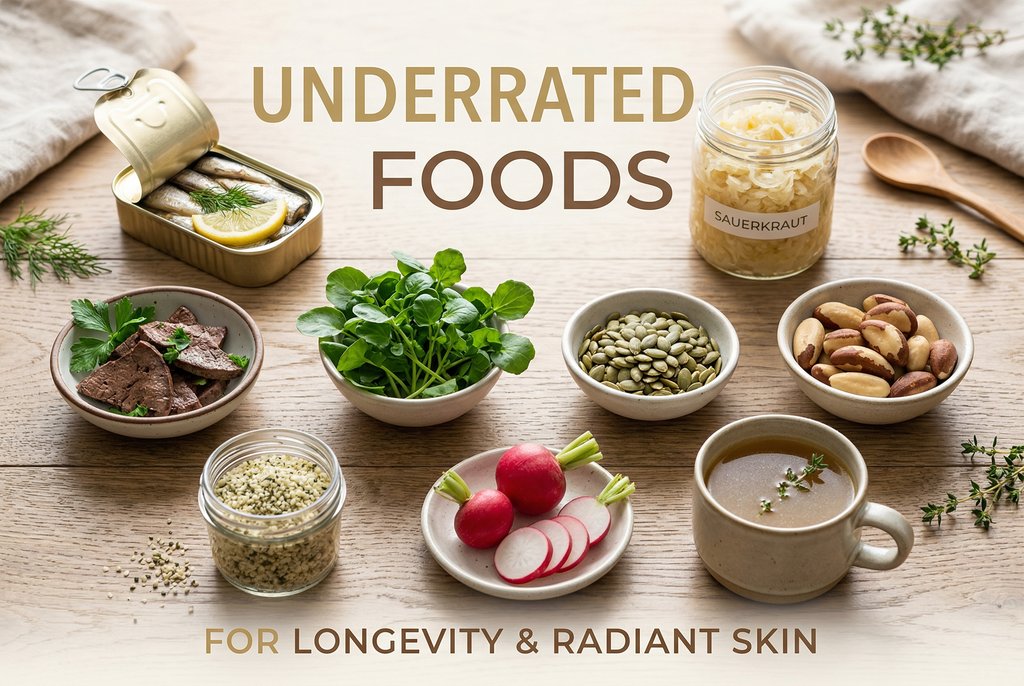
Translational research confirms that the foods we eat directly shape the biochemical composition of our skin. In a comprehensive review of clinical research published in Dermato-Endocrinology on nutrition and skin aging, investigators proved that macronutrients, micronutrients, and lipophilic phytonutrients exert profound control over barrier function, structural integrity, and UV resistance. Below are the 7 most rigorously validated foods for cultivating radiant, resilient skin from within:
1. Wild Cold-Water Fatty Fish: Marine Omega-3s and Astaxanthin
Cold-water fatty fish—such as wild Alaskan salmon, sardines, Atlantic mackerel, and herring—represent the undisputed pinnacle of anti-inflammatory skin nutrition. Their therapeutic potency stems from high concentrations of long-chain polyunsaturated fatty acids: eicosapentaenoic acid (EPA) and docosahexaenoic acid (DHA). When ingested, EPA and DHA incorporate directly into the phospholipid bilayer of epidermal keratinocytes and dermal fibroblasts, altering membrane fluidity and receptor behavior.
Biochemically, EPA competes directly with pro-inflammatory arachidonic acid (AA) for enzymatic conversion by cyclooxygenase-2 (COX-2) and 5-lipoxygenase (5-LOX). By displacing AA, EPA suppresses the generation of inflammatory prostaglandin E2 (PGE2) and leukotriene B4 (LTB4)—the key biochemical mediators that drive erythema, pruritus, vascular swelling, and tissue breakdown in inflammatory conditions such as acne, eczema, and psoriasis. Furthermore, wild salmon derives its vibrant crimson-coral pigmentation from astaxanthin, a marine keto-carotenoid synthesized by microalgae. Astaxanthin possesses an elongated molecular structure that spans the entire cellular membrane bilayer, neutralizing reactive oxygen species both within the hydrophobic interior and on the hydrophilic exterior surface. To explore the powerful biological interaction between marine antioxidants and dermal regeneration, review our guide on astaxanthin and marine collagen synergy for skin anti-aging.
Clinical Protocol: Consume 2 to 3 servings (3.5 to 4 ounces per serving) of wild-caught cold-water fish weekly. Prioritize low-trophic species like wild salmon and sardines to maximize omega-3 density while minimizing exposure to heavy metals like methylmercury.
2. Avocados: Monounsaturated Oleic Acid and Barrier Sterols
Avocados (Persea americana) are unique among botanical fruits for their lipid-dominant nutritional architecture. Approximately 71% of the fatty acids in an avocado consist of oleic acid (18:1 cis-9), a highly stable monounsaturated fatty acid that plays an indispensable role in maintaining the stratum corneum extracellular matrix.
The skin’s outermost defense operates on a “brick and mortar” model: corneocyte cells serve as bricks, suspended in a continuous lipid mortar made of ceramides, free fatty acids, and cholesterol. When dietary monounsaturated fats are deficient, the lipid matrix becomes porous and disorganized, allowing water to escape into the atmosphere—a clinical state known as elevated transepidermal water loss (TEWL) that manifests as dry, flaky, irritated skin. Dietary oleic acid and plant phytosterols (predominantly beta-sitosterol) replenish this intercellular mortar, locking moisture into the epidermis. In addition, avocados provide a rich, bioavailable combination of alpha-tocopherol (vitamin E) and lutein. Because vitamin E is fat-soluble, it is transported directly into sebaceous glands and secreted onto the skin’s surface within sebum. There, it prevents the squalene in your natural oils from oxidizing when exposed to sunlight and airborne pollutants—stopping the oxidation cascade that plugs follicles and triggers inflammatory blackheads and blemishes.
Clinical Protocol: Incorporate one-half to one whole Hass avocado into your daily nutritional routine. Enjoy it sliced fresh over leafy greens, mashed onto whole-grain sourdough, or blended into morning smoothies for a velvety, barrier-supportive lipid boost.
3. Walnuts: Balanced Essential Fatty Acids and Zinc-Driven Dermal Repair
Among all tree nuts, walnuts (Juglans regia) possess a uniquely favorable lipid profile that directly supports cutaneous healing. While most nuts and seed oils are overwhelmingly dominated by pro-inflammatory omega-6 linoleic acid (often reaching skewed ratios of 20:1 or higher), walnuts offer an exceptionally balanced ratio of approximately 4:1 omega-6 to plant-based omega-3 alpha-linolenic acid (ALA).
Beyond their anti-inflammatory fatty acid balance, walnuts are an outstanding dietary source of bioavailable zinc (Zn2+). Zinc is an obligatory trace cofactor for over 300 cellular metalloenzymes, playing a decisive role in cutaneous biology. In particular, zinc is required by DNA and RNA polymerases to orchestrate rapid keratinocyte division and migration during physiological epidermal turnover and wound repair. Furthermore, zinc acts as a catalytic constituent of copper/zinc superoxide dismutase (Cu/Zn-SOD), one of your skin’s primary enzymatic antioxidant defense mechanisms. Clinically, adequate zinc intake also helps regulate local 5α-reductase activity in follicular units, moderating excessive dihydrotestosterone (DHT) stimulation of sebaceous glands and preventing follicular hyperkeratinization.
Clinical Protocol: Consume 1 ounce of raw, unroasted walnuts (approximately 14 halves, or a small handful) daily. Keep them stored in an airtight glass container in the refrigerator to protect their delicate polyunsaturated fatty acids from heat- and light-induced rancidity.
4. Dark Leafy Greens: Lutein, Zeaxanthin, and Pro-Collagen Vitamin C
Dark leafy greens, including baby spinach, Tuscan kale, Swiss chard, and collard greens, serve as biological powerhouses of cellular protection and collagen synthesis. These greens are saturated with two critical dietary xanthophyll carotenoids: lutein and zeaxanthin. Once absorbed, these lipophilic pigments migrate to dermal and epidermal tissues, where they selectively filter high-energy visible (HEV) blue light and scavenge free radicals generated by atmospheric pollution.
Equally vital is their abundant content of bioavailable L-ascorbic acid (vitamin C). Vitamin C is far more than a simple antioxidant; it is an obligatory, non-negotiable enzymatic cofactor for two rate-limiting dermal enzymes: prolyl 4-hydroxylase and lysyl hydroxylase. Inside dermal fibroblasts, these enzymes hydroxylate specific proline and lysine residues on nascent procollagen polypeptide chains. This hydroxylation is essential for allowing the three polypeptide chains to fold and cross-link into a rigid, stable triple helix. Without sufficient ascorbic acid, newly synthesized collagen cannot cross-link, resulting in unstable, structurally compromised fibers that collapse under tension. For deeper insights into optimizing dermal peptide cross-linking and connective tissue repair, explore the latest breakthroughs in clinical collagen peptides for skin elasticity and dermal density.
Clinical Protocol: Aim for 2 cups of raw dark greens or 1 cup of gently steamed greens daily. Pair with a source of dietary fat (such as olive oil or avocado) to boost the intestinal absorption of fat-soluble lutein and zeaxanthin by over 300%.
5. Organic Green Tea: Epigallocatechin Gallate (EGCG) Matrix Protection
Green tea (Camellia sinensis), particularly stone-ground ceremonial matcha, is the premier source of polyphenolic catechins, dominated by epigallocatechin-3-gallate (EGCG). In dermal biology, EGCG functions as an exceptional protector of the extracellular matrix (ECM).
When skin is exposed to solar UV radiation or chronic systemic oxidative stress, intracellular signaling triggers the activation of nuclear factor kappa B (NF-κB) and activator protein 1 (AP-1). These transcription factors upregulate destructive zinc-dependent enzymes known as matrix metalloproteinases (MMPs), specifically MMP-1 (interstitial collagenase), MMP-2, and MMP-9 (gelatinases). These enzymes act like molecular scissors, cleaving intact collagen and elastin fibers in the dermal bed, creating micro-tears that manifest as visible sagging and premature wrinkles. Clinical investigations demonstrate that EGCG directly inhibits the NF-κB cascade, effectively shutting down MMP transcription and preserving structural dermal density. In addition, green tea flavanols enhance microvascular endothelial function, significantly boosting cutaneous capillary blood flow and delivering oxygen and nutrients to the germinative basal layer.
Clinical Protocol: Brew 2 to 3 cups of high-grade organic green tea daily (steeped for 3 to 5 minutes at 175°F / 80°C to maximize catechin extraction without burning delicate polyphenols), or whisk 1 teaspoon of organic ceremonial Japanese matcha into warm water.
6. Tomatoes: Thermally Processed Lycopene for Internal Photoprotection
Tomatoes (Solanum lycopersicum) are nature’s most concentrated source of lycopene, an acyclic C40 carotenoid with extraordinary photoprotective properties. Among all dietary carotenoids, lycopene exhibits the highest physical quenching rate constant for singlet oxygen (1O2)—possessing more than twice the quenching capacity of beta-carotene and ten times that of alpha-tocopherol.
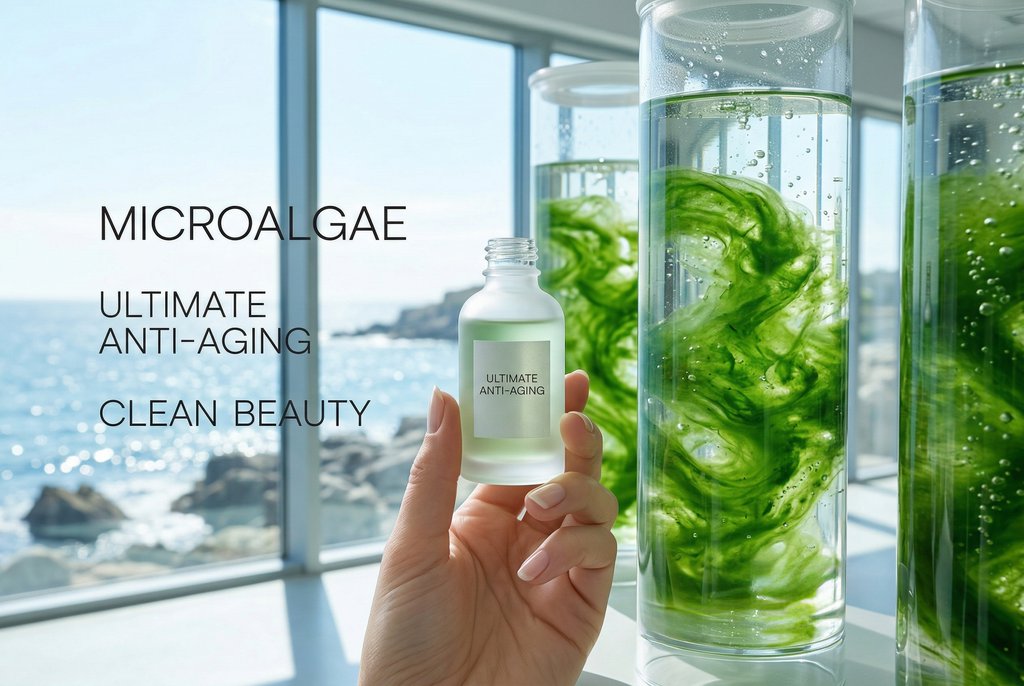
The clinical science behind dietary lycopene photoprotection is robust. In landmark controlled trials on dietary lycopene photoprotection in PubMed, researchers demonstrated that participants consuming 40 grams of tomato paste with 10 grams of olive oil daily for 10 to 12 weeks exhibited a 33% to 40% reduction in UV-induced erythema (sunburn response), alongside marked reductions in mitochondrial DNA damage and MMP expression. Crucially, the culinary preparation of tomatoes dictates their biological efficacy. Raw tomatoes contain lycopene bound tightly within rigid cellulose cell walls in an all-trans chemical configuration, which is poorly absorbed by human enterocytes. Applying gentle heat and blending ruptures these plant cell walls and isomerizes lycopene into its cis-isomers, which are readily incorporated into lipid micelles and transported into the bloodstream. To discover how marine carotenoids work in tandem with terrestrial carotenoids to defend against photo-aging, learn more about marine microalgae and carotenoid clean beauty secrets.
Clinical Protocol: Consume 2 to 3 tablespoons of concentrated organic tomato paste, or 1/2 cup of slow-cooked tomato marinara sauce, 3 to 4 times per week. Always cook or drizzle tomatoes with extra virgin olive oil to facilitate micellar lipid incorporation.
7. Fermented Probiotic Foods: The Gut-Skin Axis and Microbiome Homeostasis
Fermented culinary foods—such as traditional unsweetened kefir, lacto-fermented kimchi, authentic sauerkraut, and plain Greek yogurt—wield transformative influence over skin clarity through the gut-skin axis. This bidirectional communication highway connects the gastrointestinal microbiome to systemic immune and cutaneous inflammatory responses.
When the intestinal microbiome experiences dysbiosis (an overgrowth of opportunistic pathogens coupled with a loss of commensal diversity), intestinal epithelial tight junction proteins (such as claudin and occludin) degrade. This increased intestinal permeability (“leaky gut”) permits bacterial endotoxins, notably lipopolysaccharide (LPS), to leak across the intestinal mucosa into the systemic bloodstream. Circulating LPS binds to Toll-like receptor 4 (TLR4) on dermal immune cells, triggering an intense systemic inflammatory cascade characterized by elevated tumor necrosis factor-alpha (TNF-α) and interleukin-17 (IL-17). In predisposed individuals, this systemic endotoxemia manifests directly on the face as stubborn cystic acne, rosacea flares, and atopic dermatitis. Consuming live-fermented foods inoculates the digestive tract with beneficial Lactobacillus and Bifidobacterium strains. These probiotic microbes ferment prebiotic fibers into protective short-chain fatty acids (SCFAs)—primarily acetate, propionate, and butyrate—which seal the intestinal barrier, upregulate anti-inflammatory regulatory T cells (Tregs), and calm cutaneous inflammation at its root.
Clinical Protocol: Integrate 1/2 cup of plain unsweetened kefir or 2 tablespoons of unpasteurized, live-fermented kimchi or sauerkraut into one meal daily. Look for products labeled “live and active cultures” in the refrigerated section, as shelf-stable canned equivalents have been heat-pasteurized, killing beneficial microbes.
Evidence-Based Skin Superfood Comparison Matrix
The structured comparison matrix below provides a side-by-side synthesis of the 7 clinically backed skin superfoods, detailing their primary bioactive compounds, targeted dermal mechanisms, clinical endpoints, optimal serving sizes, and essential absorption protocols:
| Skin Superfood & Bioactives | Primary Dermal Target & Mechanism | Key Clinical Biomarker / Endpoint | Recommended Intake Protocol | Absorption & Synergy Rule |
|---|---|---|---|---|
| 1. Wild Cold-Water Fatty Fish (EPA, DHA, Astaxanthin) |
Epidermal phospholipid membranes; competes with arachidonic acid to suppress COX-2 and 5-LOX pathways | Downregulates inflammatory PGE2 & LTB4; strengthens lipid barrier to reduce TEWL | 2–3 servings (3.5–4 oz each) weekly | Choose low-trophic species (salmon, sardines) to minimize heavy metals like methylmercury |
| 2. Hass Avocados (Oleic Acid, Phytosterols, Tocopherols) |
Intercellular lipid mortar in stratum corneum; protects sebaceous squalene against peroxidative breakdown | Reduces TEWL; replenishes epidermal lipid stores; decreases comedogenic blemish triggers | 1/2 to 1 whole medium avocado daily | Eat alongside carotenoid-rich salads to multiply fat-soluble pigment absorption up to 4-fold |
| 3. Raw Walnuts (ALA Omega-3, Bioavailable Zn2+) |
Keratinocyte mitosis, follicular re-epithelialization, and cellular antioxidant defense (Cu/Zn-SOD) | Accelerates wound healing; moderates local 5α-reductase; reduces follicular hyperkeratosis | 1 oz (approx 14 halves / 28g) daily | Store in airtight glass in the refrigerator to prevent heat-induced fatty acid oxidation |
| 4. Dark Leafy Greens (Lutein, Zeaxanthin, Vitamin C) |
Prolyl/lysyl hydroxylase cofactor for collagen triple-helix stabilization; HEV blue light filtration | Elevates dermal collagen density; improves skin elasticity; neutralizes free radical cascades | 1–2 cups cooked or 2–3 cups raw daily | Pair with dietary lipids (olive oil) to unlock fat-soluble carotenoids and ascorbic acid |
| 5. Organic Green Tea (EGCG Catechins, Theanine) |
Inhibits NF-κB and AP-1 transcription to downregulate collagen-degrading MMP-1, MMP-2, and MMP-9 | Halts enzymatic collagen breakdown; increases dermal capillary microcirculation by > 20% | 2–3 cups brewed tea or 1 tsp ceremonial matcha daily | Add a splash of fresh lemon juice; citric acid and vitamin C stabilize catechins in the gut |
| 6. Cooked Tomatoes (Bioavailable cis-Lycopene) |
Quenches singlet oxygen (1O2) within cutaneous adipose and cellular membranes; prevents photo-damage | Reduces UV-induced erythema by 33–40%; mitigates solar-induced mitochondrial DNA damage | 2–3 tbsp tomato paste or 1/2 cup cooked sauce 3–4x weekly | Always heat with extra virgin olive oil to break plant walls and maximize micelle incorporation |
| 7. Fermented Probiotic Foods (Lactobacillus, Live SCFAs) |
Seals intestinal tight junctions via SCFA signaling; prevents systemic lipopolysaccharide (LPS) leak | Lowers circulating TNF-α and IL-17; reduces TLR4-driven flares of acne, rosacea, and eczema | 1/2 cup kefir or 2 tbsp unpasteurized kimchi/sauerkraut daily | Choose refrigerated, unpasteurized products with verified “live cultures” to guarantee efficacy |
Food Synergy: Clinical Pairings That Multiply Nutrient Bioavailability
Nutritional dermatology is not merely about eating individual “superfoods”; it is governed by the principles of food synergy—the physiological reality that specific nutrient combinations exponentially multiply absorption and cellular delivery. Incorporating the following evidence-backed food pairings into your meal preparation turns simple meals into potent internal skincare treatments:
- Cooked Tomatoes + Extra Virgin Olive Oil (The 4x Lycopene Multiplier): Lycopene is an intensely lipophilic (fat-soluble) compound trapped within tomato chromoplasts. Consuming raw tomatoes without fat yields less than 5% lycopene absorption. When tomatoes are cooked in extra virgin olive oil, heat isomerizes lycopene into absorbable cis-isomers while the lipid micelles in olive oil act as microscopic delivery vehicles across the intestinal brush border. Clinical pharmacokinetic studies show this simple pairing multiplies lycopene bioavailability by up to 400%, while olive oil polyphenols protect lycopene from oxidative degradation.
- Organic Green Tea + Fresh Lemon Juice (Catechin Stabilization Protocol): Green tea catechins, particularly EGCG, are chemically fragile. In the alkaline environment of the human small intestine, up to 80% of green tea catechins spontaneously oxidize and degrade before they can be absorbed into systemic circulation. Adding a squeeze of fresh lemon juice introduces natural ascorbic and citric acids, lowering intestinal luminal pH. Research reveals that this acidic environment stabilizes catechin molecules, boosting total bioavailable catechin absorption into the bloodstream by up to fourfold.
- Dark Leafy Greens + Citrus & Healthy Lipids (The Pro-Collagen Engine): Dark leafy greens like spinach and kale contain high amounts of plant-derived non-heme iron and fat-soluble carotenoids (lutein and zeaxanthin). Pairing steamed greens with a squeeze of fresh lemon juice or sliced bell peppers provides vitamin C, which reduces ferric iron (Fe3+) to highly absorbable ferrous iron (Fe2+) for cellular oxygenation. Adding a drizzle of avocado or olive oil ensures that 100% of the lipophilic lutein is solubilized into mixed micelles for maximum dermal uptake.
Kitchen-Ready Quick Beauty Recipes: Cellular Glow in Minutes
Transforming nutritional science into daily eating habits does not require culinary complexity. Below are two effortless, nutrient-dense recipes featuring 5 or fewer clean ingredients that can be prepared in minutes to flood your dermis with protective bioactives:
5-Minute Wild Salmon & Avocado Dermal Power Bowl
This savory bowl delivers a high-potency synergy of long-chain marine omega-3s, monounsaturated oleic acid, barrier-strengthening zinc, and pro-collagen vitamin C.
- Ingredients (5 Clean Essentials):
- 1 can (5 oz / 140g) wild pink or sockeye salmon, drained (or 1 cooked wild salmon fillet)
- 1/2 medium ripe Hass avocado, sliced or diced
- 2 cups fresh organic baby spinach or arugula
- 1 tablespoon raw walnuts, gently crushed
- 1 tablespoon extra virgin olive oil whisked with 1 tablespoon fresh lemon juice (dressing)
- Quick 3-Step Preparation:
- Lay the fresh baby spinach or arugula as a vibrant green bed in a shallow serving bowl.
- Top the greens with the flaked wild salmon, sliced avocado, and crushed raw walnuts.
- Drizzle the whisked olive oil and lemon dressing evenly across the bowl. Season with a light pinch of sea salt and cracked black pepper, and enjoy immediately.
- Nutritional Highlight: Supplies over 2,200 mg of marine EPA/DHA, 15 grams of healthy monounsaturated and polyunsaturated fats, 24 grams of complete pro-collagen protein, and 45% of your daily vitamin C requirement in a single meal.
The EGCG & Carotenoid Matcha Glow Elixir
An invigorating morning or afternoon tonic that delivers concentrated EGCG catechins and protective antioxidants with sustained, jitter-free mental focus.
- Ingredients (4 Clean Essentials):
- 1 teaspoon organic ceremonial Japanese matcha green tea powder
- 6 ounces hot filtered water (heated to approximately 175°F / 80°C, just below boiling)
- 1/4 cup unsweetened almond milk or coconut milk
- 1 squeeze of fresh lemon juice (approx. 1/2 teaspoon, to stabilize catechins)
- Quick 2-Step Preparation:
- Sift the matcha powder into a wide mug. Pour in 2 ounces of hot water and whisk vigorously in a rapid “W” motion using a bamboo whisk or electric frother until a thick, bright green foam forms on top.
- Pour in the remaining hot water, warm almond milk, and fresh lemon juice. Stir gently and sip slowly. (Optional: dust with a light pinch of organic ground cinnamon for metabolic warmth).
- Nutritional Highlight: Delivers approximately 130 mg of potent EGCG polyphenols and 25 mg of L-theanine, promoting microcirculatory blood flow to the skin while downregulating collagenase activity.
Skin Nutrition Myths & Critical Redlines Debunked
Navigating skincare nutrition requires separating physiological facts from popular wellness myths. Believing widespread internet misconceptions can stall your progress or inadvertently trigger inflammatory flare-ups. Here is the clinical truth behind three persistent skin nutrition myths:
Myth 1: Guzzling One Gallon of Plain Water Will Automatically Hydrate Dry Skin
The Clinical Reality: While severe systemic dehydration certainly leads to sunken eyes, reduced skin turgor, and sluggish circulation, drinking gallons of plain water will not cure dry, flaky, or tight facial skin. Epidermal hydration is not governed by how much water you swallow; it is governed by the structural integrity of your stratum corneum lipid barrier. Your skin barrier consists of ceramides, cholesterol, and free fatty acids that physically seal moisture inside the tissue. If your diet lacks essential fatty acids (omega-3s and monounsaturated lipids), the intercellular barrier remains porous and defective. In this compromised state, any excess plain water you drink simply transpires straight out into the atmosphere via elevated transepidermal water loss (TEWL) or is excreted by your kidneys into the toilet. To cure chronically dry skin, you must supply the lipid “mortar” (omega-3s, avocados, walnuts) required to trap and retain hydration.
Myth 2: Eating Dietary Fats Directly Causes Oily Skin and Acne
The Clinical Reality: Dietary fats do not travel from your digestive tract directly into your pores as oil. In reality, healthy unsaturated fats—particularly omega-3 fatty acids and oleic acid—actively improve sebum quality, making it thinner, more fluid, and less prone to hardening into stubborn follicular plugs. The true primary dietary driver of oily skin and severe acne is high-glycemic refined carbohydrates and added sugars (such as white bread, pastries, sugary sodas, and processed snack foods). When you consume high-glycemic foods, your pancreas releases large surges of insulin and triggers the hepatic production of insulin-like growth factor-1 (IGF-1). Elevated IGF-1 binds to receptors on sebaceous glands, activating sterol regulatory element-binding protein-1c (SREBP-1c). This genetic pathway hyper-stimulates sebum production, promotes hyperkeratinization of the follicular duct, and creates the ideal hypoxic breeding ground for Cutibacterium acnes bacteria.
Myth 3: Pure Chocolate Inherently Triggers Acne Breakouts
The Clinical Reality: Pure raw cacao is not a skin foe; it is an antioxidant powerhouse loaded with epicatechin and procyanidin flavanols that improve cutaneous blood perfusion and enhance dermal hydration. The reason commercial chocolate bars trigger acne is not the cacao bean—it is the massive payload of refined cane sugar, hydrogenated vegetable oils, and high-glycemic milk solids that accompany cheap confectionery products. Commercial dairy solids contain bovine hormones that stimulate androgen receptors, while high sugar content sparks insulin/IGF-1 surges. If you love chocolate, opt for authentic dark chocolate containing a minimum of 70% to 85% cacao with minimal added sugar, or blend unsweetened raw cacao powder into morning smoothies.
Critical Safety Redlines & Dietary Precautions
- Carotenemia vs. Hypervitaminosis A: Consuming large amounts of plant carotenoids (lycopene, beta-carotene) is biologically safe because your body regulates their conversion to active retinol on demand. Excess carotenoids harmlessly deposit in subcutaneous fat, occasionally causing a temporary yellowish-orange tint on the palms of the hands and soles of the feet (carotenemia), which fades naturally when intake is moderated. However, never confuse natural food carotenoids with synthetic preformed vitamin A (retinol or retinyl palmitate) supplements. Mega-dosing synthetic vitamin A pills can lead to toxic liver accumulation, teratogenicity, and severe cutaneous desquamation. Obtain your vitamin A from colorful whole-food carotenoids.
- Histamine Intolerance with Fermented Foods: While fermented foods like kimchi, kefir, and aged sauerkraut are exceptional for gut-skin axis health in most individuals, they are naturally high in biogenic amines (histamine). Individuals with diamine oxidase (DAO) enzyme deficiency or mast cell activation syndrome (MCAS) may experience facial flushing, hives, pruritus, or headaches after consuming fermented foods. If you suspect histamine sensitivity, introduce fermented foods in tiny amounts (e.g., 1/2 teaspoon) or consult a clinical gastroenterologist.
- Low-Mercury Seafood Selection: When incorporating cold-water fatty fish for omega-3 benefits, always prioritize species low on the marine food chain (wild salmon, sardines, Atlantic mackerel, and anchovies). Avoid high-trophic apex predatory fish such as swordfish, king mackerel, tilefish, and bigeye tuna, which bioaccumulate toxic methylmercury (CH3Hg+). Elevated mercury levels induce systemic oxidative stress, damage cellular mitochondria, and provoke chronic dermatological inflammation.
The AM/PM Daily Glow Nutrition Routine
Achieving healthy, resilient skin is all about consistency. Structuring your daily nutrition into an easy-to-follow morning and evening rhythm ensures a steady, uninterrupted influx of skin-reparative micronutrients and protective antioxidants:
Morning (AM) Routine: Hydration, Barrier Lipids & Photoprotection
- Hydration Kickstart: Drink 16 ounces of room-temperature filtered water with a fresh squeeze of lemon juice immediately upon waking to stimulate gastrointestinal motility and rehydrate tissues.
- Antioxidant Surge: Enjoy 1 cup of hot ceremonial matcha or organic green tea with a dash of lemon juice to flood your circulation with protective EGCG catechins.
- Lipid-Rich Breakfast: Savor 2 pasture-raised eggs scrambled with 1 cup of baby spinach in extra virgin olive oil, accompanied by 1/2 sliced avocado and 1 slice of whole-grain sourdough (providing bioavailable protein, lutein, and oleic acid).
Midday & Afternoon Routine: Microcirculation & Microbiome Nourishment
- Skin Fuel Lunch: The 5-Minute Wild Salmon & Avocado Dermal Power Bowl (wild salmon, dark greens, crushed walnuts, and olive oil vinaigrette) to sustain steady blood glucose and provide long-chain EPA/DHA.
- Microbiome Reset Snack: Enjoy 1/2 cup of plain unsweetened kefir or a small side of live-fermented kimchi alongside a handful of raw walnuts for an afternoon zinc and probiotic boost.
Evening (PM) Routine: Dermal Matrix Repair & Restorative Rest
- Nutrient-Dense Dinner: Slow-cooked tomato marinara with garlic and extra virgin olive oil served over wild-caught fish or lentils, paired with a generous side of roasted broccoli or steamed greens (delivering high-dose lycopene, vitamin C, and sulfur compounds).
- Nighttime Wind-Down: Unsweetened chamomile or rooibos herbal tea 1 hour before bed to calm central nervous system tone.
- Cellular Sleep Window: Prioritize 7 to 8 hours of quality sleep; dermal cellular turnover and pituitary human growth hormone (HGH) secretion peak during deep slow-wave sleep, driving tissue repair and collagen deposition.
Frequently Asked Questions
Can eating lycopene- and carotenoid-rich foods replace topical sunscreen?
No, dietary carotenoids can never replace broad-spectrum topical sunscreen. While consistent consumption of cooked tomatoes, astaxanthin, and leafy greens builds significant internal photoprotection—quenching singlet oxygen free radicals and delivering a baseline physiological resilience equivalent to approximately SPF 2 to 4—dietary antioxidants cannot reflect or scatter direct ultraviolet photons. Exposing unprotected skin to intense midday sun without topical broad-spectrum mineral SPF 30+ sunscreen will still cause DNA thymine dimer mutations and severe sunburn. View dietary carotenoids as your skin’s internal backup defense system that neutralizes any oxidative stress that penetrates your topical sunscreen barrier.
How quickly can I expect to see visible improvements in my skin after improving my diet?
Visible changes occur in phases governed by your body’s cellular turnover rates. Within 7 to 10 days of removing refined sugars and incorporating healthy fats, you will likely notice reduced surface oiliness, less post-meal redness, and improved hydration. Between weeks 4 and 6, when a complete cycle of epidermal keratinocyte turnover has completed (the natural 28- to 40-day shedding cycle), your skin will feel noticeably softer, smoother, and more even in tone. Significant changes in dermal density, elasticity, fine line depth, and the characteristic golden-pink “carotenoid glow” require 8 to 12 weeks of consistent nutrition, reflecting the time needed for dermal fibroblasts to cross-link and remodel structural collagen fibers.
Does dairy consumption trigger acne and facial breakouts?
Clinical dermatology demonstrates a strong correlation between conventional cow’s dairy (particularly skim and low-fat milk) and inflammatory acne vulgaris. Conventional milk contains bovine growth factors, whey, and casein proteins that stimulate human insulin-like growth factor-1 (IGF-1) pathways and mammalian target of rapamycin complex 1 (mTORC1). This biochemical signaling prompts sebaceous glands to overproduce thick, pore-clogging sebum. Interestingly, many individuals who break out from fluid milk tolerate traditional fermented dairy—such as unsweetened kefir and authentic Greek yogurt—because the fermentation process partially breaks down proteins, consumes lactose, and delivers gut-soothing probiotic cultures. If you struggle with stubborn acne, trial eliminating fluid milk for 4 weeks while monitoring skin clarity.
Can dark chocolate actually benefit skin health, or will it trigger blemishes?
High-percentage dark chocolate (minimum 70% to 85% cacao) or raw cacao powder is exceptionally beneficial for dermal wellness. Cacao is packed with flavanols (especially epicatechin), which human clinical trials have shown to enhance cutaneous microcirculation, improve epidermal hydration, and decrease skin roughness. The common belief that chocolate causes acne originates from commercial candy bars loaded with refined white sugar, trans fats, and milk powders—ingredients with a high glycemic index that trigger insulin spikes and sebaceous inflammation. Enjoying 1 to 2 small squares (15 to 20 grams) of quality, low-sugar dark chocolate daily provides profound antioxidant protection without provoking breakouts.
Medical Disclaimer
The information provided in this article is published strictly for educational and informational purposes and is not intended to serve as personalized medical advice, diagnosis, or treatment. Dietary adjustments affect individuals differently based on unique genetics, metabolic health, gastrointestinal function, and concurrent medication use. Always consult with a board-certified dermatologist, registered dietitian, or your primary care healthcare physician before making substantial modifications to your nutritional intake or starting new botanical supplements, especially if you have chronic inflammatory skin disorders, allergies, kidney disease, or are pregnant or nursing.