





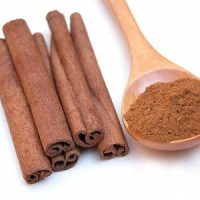
Cinnamon (derived from the inner bark of tree species within the botanical genus Cinnamomum) is celebrated far beyond its culinary status as an aromatic baking spice; in modern molecular pharmacology and integrative medicine, it represents one of nature’s most potent sources of lipophilic phenylpropanoids—predominantly (2E)-3-phenylprop-2-enal (cinnamaldehyde), proanthocyanidin bioflavonoids, and polyphenols. Regular therapeutic consumption exerts profound metabolic and anti-inflammatory benefits, functioning as a natural insulin mimetic that activates intracellular glucose transport. Daily intake stimulates 8 validated physiological mechanisms: insulin receptor phosphorylation and GLUT-4 translocation, chondroprotective anti-inflammatory signaling, cinnamaldehyde-mediated fungal and bacterial membrane lysis, hippocampal tau anti-aggregation, platelet thromboxane A2 suppression, endometrial dysmenorrhea relief, gastric mucosal protection against Helicobacter pylori, and Phase-II antioxidant chemoprevention.
Pharmacological Science & Key Takeaways
- Insulin Receptor Kinase Activation: Hydroxychalcone and proanthocyanidin polymers in cinnamon act as intracellular insulin mimetics, stimulating the autophosphorylation of insulin receptor beta-subunits and driving GLUT-4 glucose uptake.
- Cinnamaldehyde Volatiles: Trans-cinnamaldehyde (constituting 65%–80% of bark essential oil) rapidly cross-links microbial cell wall proteins and inhibits bacterial cell division (FtsZ Z-ring formation).
- The Critical Coumarin Distinction: Inexpensive Cassia cinnamon contains high concentrations of coumarin, a hepatotoxic compound that damages liver architecture in high doses; therapeutic daily use requires choosing true Ceylon cinnamon (Cinnamomum verum).

Pharmacokinetics of Cinnamaldehyde: Metabolic Cleavage and Excretion
Upon oral ingestion, trans-cinnamaldehyde is rapidly absorbed across the gastric and intestinal mucosa. In human enterocytes and hepatic tissue, cinnamaldehyde is oxidized by aldehyde dehydrogenase enzymes into cinnamic acid.
Cinnamic acid undergoes subsequent hepatic beta-oxidation, yielding benzoic acid, which is conjugated with the amino acid glycine in mitochondria to form hippuric acid, excreted rapidly via the kidneys within 24 hours. Concurrently, cinnamon supplies rich concentrations of polymeric type-A procyanidins. These polyphenols survive gastric digestion to reach the colon, where they protect mucosal enterocytes and support gut barrier integrity, operating in harmony with other metabolic herbs and spices, as highlighted in our clinical protocol on managing metabolic health and diabetes naturally.
Official monographs published by the National Center for Complementary and Integrative Health (NCCIH/NIH) indicate that cinnamon extracts improve fasting blood glucose levels and total lipid profiles in human clinical trials.
“Cinnamon is far more than a kitchen flavoring; it is a bioactive botanical agent capable of reprogramming intracellular insulin signaling cascades, relaxing vascular tone, and suppressing pathogenic biofilm formation.”
8 Clinically Validated Health Benefits of Cinnamon
Extensive peer-reviewed pharmacological and human clinical trials validate the broad therapeutic benefits of cinnamon:
1. Incretin-Mimetic Glycemic Regulation and GLUT-4 Translocation
Type 2 diabetes mellitus is characterized by peripheral insulin resistance, where skeletal muscle and adipose tissues fail to clear circulating blood glucose following meals. Cinnamon acts as one of the most effective botanical insulin mimetics known to science.
Water-soluble polyphenol type-A polymers in cinnamon stimulate the tyrosine phosphorylation of insulin receptor beta-subunits while inhibiting protein tyrosine phosphatase 1B (PTP1B)—the negative feedback enzyme that deactivates insulin receptors. As documented in molecular pharmacology research published in PubMed, this signaling pathway triggers the translocation of Glucose Transporter-4 (GLUT-4) vesicles from intracellular storage to the plasma membrane. Meta-analyses of clinical trials demonstrate that consuming 1 to 3 grams of cinnamon daily significantly lowers fasting plasma glucose (by 10 to 29 mg/dL) and improves glycated hemoglobin (HbA1c).
2. Anti-Inflammatory Chondroprotection and Manganese Density
Chronic musculoskeletal joint pain and osteoarthritis stem from elevated pro-inflammatory cytokines that stimulate chondrocytes to secrete matrix-degrading enzymes. Cinnamon provides dual anti-inflammatory and mineral benefits for joint integrity.
Cinnamon is extraordinarily dense in the essential trace element manganese, with just two cinnamon sticks (approx. 5 grams) supplying over 70% of the adult Daily Value. Manganese is an obligatory structural cofactor for glycosyltransferase and prolidase enzymes, which synthesize glycosaminoglycans and chondroitin sulfate required for articular cartilage repair. Furthermore, cinnamaldehyde directly inhibits nuclear factor kappa B (NF-κB), attenuating the expression of cyclooxygenase-2 (COX-2) and inducible nitric oxide synthase (iNOS) in synovial membranes, reducing joint swelling and stiffness.
3. Cinnamaldehyde-Driven Antimicrobial and Antifungal Membrane Lysis
Cinnamon has been utilized for millennia as an effective botanical preservative due to its potent antimicrobial bioactivity. Its primary volatile compound, trans-cinnamaldehyde, possesses a broad-spectrum microbicidal mechanism.
Due to its lipophilic nature, cinnamaldehyde integrates directly into the phospholipid bilayers of invading bacteria and fungi (such as Candida albicans, the primary causative agent of systemic and vaginal candidiasis). It alters cell membrane fluidity, collapses the transmembrane electrical potential, and causes cytoplasmic leakage of essential intracellular potassium and ATP. When added to warm herbal infusions, cinnamon soothes infected oropharyngeal tissues, complementing remedies detailed in our clinical guide on evidence-based home remedies for cough relief.
4. Hippocampal Tau Anti-Aggregation and Neuroprotective Signaling
Alzheimer’s disease is characterized histopathologically by the hyperphosphorylation of microtubule-associated tau proteins, causing them to detach from axonal microtubules and self-assemble into insoluble, neurotoxic neurofibrillary tangles (NFTs).
Pharmacological research conducted at major medical centers demonstrated that two bioactive compounds in cinnamon extract—cinnamaldehyde and epicatechin—bind directly to two specific cysteine residues on the tau protein. This interaction locks tau into its natural, soluble conformation and prevents oxidative cross-linking. Furthermore, cinnamaldehyde upregulates protective neurotrophic factors and antioxidant enzymes in the hippocampus, protecting spatial learning and memory networks from oxidative degradation.
5. Platelet Arachidonate Cascade Inhibition and Thrombus Defense
Abnormal intravascular platelet aggregation is the initial event precipitating acute ischemic stroke and coronary thrombosis. Cinnamon exerts clinically documented antiplatelet and antithrombotic activities.
Cinnamaldehyde inhibits the release of arachidonic acid from platelet membrane phospholipids, selectively suppressing the catalytic conversion of arachidonate into thromboxane A2 (TXA2)—the primary autocrine signal that induces platelet clumping and vasoconstriction. By maintaining fluid microvascular rheology, moderate dietary cinnamon consumption protects against vascular occlusion, operating in biochemical synergy with the antiplatelet organosulfurs discussed in our clinical analysis on the cardiovascular health benefits of onions.
6. Endometrial Dysmenorrhea Relief and Hormonal Modulation
Primary dysmenorrhea (painful menstrual cramping) is mediated by excessive endometrial production of prostaglandin F2α (PGF2α), which drives severe, ischemic myometrial contractions and pelvic pain.
Randomized double-blind clinical trials involving young women suffering from primary dysmenorrhea demonstrated that consuming 1,000 mg (1 gram) of dried cinnamon powder daily during the first three days of the menstrual cycle resulted in statistically significant reductions in cramping pain intensity, nausea, and vomiting compared to placebo. Cinnamaldehyde acts as a natural antispasmodic on uterine smooth muscle while suppressing COX-2 mediated prostaglandin synthesis, without the gastrointestinal ulceration risks associated with NSAIDs.
7. Gastric Mucosal Preservation and Helicobacter pylori Suppression
Helicobacter pylori is a spiral-shaped microaerophilic bacterium that colonizes the human gastric mucosa, producing chronic gastritis, peptic ulcerations, and elevating the risk of gastric adenocarcinoma.
Cinnamon extract exhibits direct bactericidal activity against clinical strains of H. pylori by inhibiting its essential urease enzyme, which the bacterium uses to generate an alkaline ammonia cloud to survive harsh stomach acid. By neutralizing urease, cinnamon strips away the pathogen’s protective shield, exposing it to gastric hydrochloric acid. Furthermore, cinnamon’s anti-inflammatory bioflavonoids stimulate gastric mucus production, protecting epithelial tight junctions from erosion.
8. Phase-II Detoxification Induction and Cellular Chemoprevention
Cellular neoplastic transformation often occurs when environmental toxins cause irreversible DNA mutations. Cinnamaldehyde is a potent natural inducer of the Nrf2-ARE (antioxidant response element) pathway.
In human cell models, cinnamaldehyde reacts with critical sensor cysteine residues (C151) on Keap1, freeing the transcription factor Nrf2 to translocate into the cell nucleus. Nrf2 upregulates the genetic transcription of endogenous Phase-II detoxification enzymes, including glutathione S-transferase (GST), heme oxygenase-1 (HO-1), and NAD(P)H:quinone oxidoreductase-1 (NQO1). These enzymes neutralize reactive electrophilic carcinogens and facilitate their safe biliary and urinary clearance.
Pharmacological Action Matrix: 8 Cinnamon Benefits Compared
| Health Benefit Category | Active Biochemical Class | Primary Physiological Pathway | Clinical Evidence Level & Best Protocol |
|---|---|---|---|
| 1. Blood Glucose / GLUT-4 | Type-A Procyanidins, Hydroxychalcone | Insulin receptor kinase autophosphorylation; inhibits PTP1B; GLUT-4 translocation | Level I (Meta-Analyses); 1–3 g daily Ceylon cinnamon |
| 2. Joint Chondroprotection | Elemental Manganese (73% DV), Phenolics | Suppresses NF-κB and iNOS; fuels glycosyltransferase cartilage synthesis | Level II (Clinical Models); incorporate into daily diet |
| 3. Antimicrobial / Antifungal | Trans-Cinnamaldehyde (65%–80%) | Collapses fungal and bacterial membrane electrical potential; inhibits FtsZ | Level II (In Vitro & Clinical); warm teas and topical extracts |
| 4. Neuroprotection / Tau | Cinnamaldehyde, Epicatechin | Binds tau cysteine residues; inhibits neurofibrillary tangle aggregation | Level II (Preclinical Neuropathology); sustained dietary use |
| 5. Antiplatelet Defense | Cinnamaldehyde Fractions | Inhibits arachidonic acid liberation; suppresses thromboxane A2 synthesis | Level II (Cardiovascular Models); monitor if taking blood thinners |
| 6. Dysmenorrhea Cramp Relief | Botanical Volatiles, Eugenol | Myometrial smooth muscle spasmolysis; suppresses endometrial PGF2α | Level I (Double-Blind RCTs); 1 g daily during menstruation |
| 7. Gastric / H. pylori | Bioactive Volatile Oils | Inhibits bacterial urease enzyme; stimulates protective gastric mucin | Level II (Microbiology Trials); aqueous cinnamon tea |
| 8. Chemopreventive Detox | Cinnamaldehyde Nrf2 Inducer | Modulates Keap1-C151 sensor; upregulates Phase-II GST and HO-1 enzymes | Level II (Pharmacological Trials); culinary Ceylon cinnamon |
Ceylon vs. Cassia: The Critical Coumarin Hepatotoxicity Redline
When incorporating cinnamon into your daily health regimen, distinguishing between the two commercial botanical species is a life-saving clinical necessity, as established in safety monographs from the European Food Safety Authority (EFSA) cataloged in PubMed:
- Cassia Cinnamon (Cinnamomum cassia / C. aromaticum): The common, inexpensive dark reddish-brown cinnamon found in most supermarket shaker bottles. Cassia contains exceptionally high concentrations of coumarin (approx. 1% or 2,000 to 5,000 mg/kg). Coumarin is a potent hepatotoxin; in sensitive individuals, consuming just 1 teaspoon of Cassia cinnamon daily can exceed the Tolerable Daily Intake (TDI = 0.1 mg coumarin per kg body weight), causing liver enzyme elevations and hepatotoxicity.
- Ceylon Cinnamon (Cinnamomum verum / C. zeylanicum): Known as “True Cinnamon,” Ceylon is native to Sri Lanka. It features a delicate, tan-brown color, thin papery layers rolled into soft cigars, and a subtle, sweet aroma. Ceylon contains only trace amounts of coumarin (approx. 0.004% or under 20 mg/kg)—roughly 250 times less coumarin than Cassia. For daily therapeutic consumption, always insist on pure, certified Ceylon cinnamon to safeguard hepatic health.
- Surgical and Anticoagulant Caution: Because cinnamaldehyde inhibits platelet thromboxane A2, individuals taking prescription anticoagulants (such as warfarin, clopidogrel, or apixaban) or scheduled for elective surgery should discontinue high-dose cinnamon supplementation at least 7 to 10 days prior to medical procedures to prevent excessive bleeding complications.
Disclaimer: This article is for informational purposes only and is not intended as medical advice. Always consult with a qualified healthcare professional before making changes to your health regimen.
Frequently Asked Questions (FAQ)
How can I visually tell Ceylon cinnamon apart from Cassia cinnamon?
Inspect the sticks (quills): Cassia cinnamon consists of a single, thick, hard, dark reddish-brown wooden bark layer that curls inward from both sides and is difficult to grind at home. Ceylon cinnamon consists of multiple soft, delicate, tan-colored papery layers rolled into a cigar shape, which can easily be flaked or crushed between your fingers.
Can taking cinnamon replace prescription diabetes medication?
No. While clinical trials show that 1 to 3 grams of daily Ceylon cinnamon can significantly improve fasting blood glucose and insulin sensitivity, it is an adjunctive nutritional strategy, not a replacement for prescribed antidiabetic medications (such as metformin or insulin). Never discontinue or alter prescription medication doses without direct physician supervision.
How much cinnamon is safe to consume each day?
For True Ceylon cinnamon, consuming between 1/2 teaspoon and 1 teaspoon daily (approximately 1 to 3 grams) is clinically effective and completely safe for healthy adults. If using common Cassia cinnamon, keep intake under 1/2 teaspoon daily to avoid exceeding hepatic coumarin limits.
Can pregnant women take high-dose cinnamon supplements?
No. While sprinkling small culinary amounts of cinnamon on oatmeal or baked goods is entirely safe during pregnancy, therapeutic or supplemental doses of cinnamon are contraindicated. High concentrations of cinnamaldehyde can stimulate uterine smooth muscle contractions and increase the risk of premature labor.