





Walk into any wellness store or scroll through social media, and you will see biotin celebrated as the ultimate secret for rapid hair growth and unbreakable nails. But when we look past the glamorous marketing and examine human biology, the truth is delightfully grounded: biotin doesn’t plant new hair seeds—it acts like the mortar that helps your body build keratin bricks. In everyday life, true dietary biotin deficiency is remarkably rare because everyday foods provide plenty, and your gut bacteria produce it naturally. If your body already has the modest amount of biotin it needs, taking mega-dose gummies or 10,000 mcg capsules is like trying to overfill a glass of water—your body simply flushes the extra away in your urine. Even more concerning, mega-dosing can backfire by triggering painful cystic breakouts along your jawline and dangerously blinding hospital blood tests for heart attacks. Achieving thick, resilient hair requires understanding how hair actually grows, focusing on whole foods, and managing expectations with real science.
Core Takeaways & Hair Wellness Blueprint
- A Key Helper, Not a Miracle Seed: Biotin (vitamin B7) acts as an essential helper for building keratin protein, but it cannot awaken dormant follicles, create new hair strands, or override your genetic growth rate.
- Benefits Limited to True Deficiency & Brittle Nails: Rigorous medical reviews show that biotin supplementation only improves hair thickness and shedding in people with a diagnosed nutritional shortage or severe brittle nail syndrome.
- The Nutrient Traffic Jam (Why Megadoses Cause Breakouts): Ingesting 5,000 to 10,000 mcg overloads your gut’s shared absorption doorway (known in clinical research as the SMVT channel), crowding out skin-clearing vitamin B5 and triggering painful jawline acne.
- Critical FDA Alert on Diagnostic Blood Tests: High circulating biotin blinds hospital lab analyzers. It causes falsely normal readings for heart attacks (cardiac troponin) and skews thyroid panels. You must pause all biotin supplements 48 to 72 hours before scheduled blood draws.

Realistic Timeline: How Hair Actually Grows vs. Marketing Hype
Commercial beauty advertisements often claim you will see noticeably thicker, longer hair in just seven to fourteen days. From the perspective of human biology, that is simply impossible. Scalp hair grows at an average biological rate of approximately 0.5 inches (1.25 cm) per month—roughly 6 inches per year—regulated by a strict, three-phase cycle:
- Growing Phase (Anagen, 2 to 7 Years): Active cells in the hair bulb steadily multiply and produce the pigmented hair shaft.
- Transition Phase (Catagen, 2 to 3 Weeks): Growth stops, the lower follicle shrinks slightly, and the strand detaches from its direct blood supply.
- Resting & Shedding Phase (Telogen, 2 to 4 Months): The resting hair sits in the follicle before naturally shedding to make room for a new hair growing beneath it.
Understanding this biological rhythm establishes an honest, grounded schedule for what nutritional adjustments can and cannot do:
- Weeks 1 to 2 (Zero Change on Existing Hair): The hair you see and touch outside your scalp is non-living keratin. No supplement or vitamin, regardless of strength, can change the thickness, repair split ends, or alter the density of hair that has already emerged.
- Months 1 to 2 (Early Wins in Nail Strength): Because fingernails grow faster and turn over more quickly than hair, individuals correcting a nutritional gap often notice less chipping, fewer splits, and firmer nails first.
- Months 3 to 6 (True Root Turnaround): Because resting hairs take 2 to 4 months to clear out and new hairs grow at half an inch per month, seeing meaningful new density and reduced shedding requires a patient 3- to 6-month biological window.
5 Clinically Proven Facts on Biotin for Hair Growth
To cut through viral internet claims and explore what scientific research genuinely confirms, let us walk through five clinically proven facts regarding biotin, safe dosages, and critical laboratory risks:
1. Biotin Acts as a Key Helper for Keratin, Not a Miracle Hair Seed
Biotin is water-soluble vitamin B7. Rather than acting as a miraculous fertilizer that creates new hair follicles out of thin air, biotin functions as an everyday helper enzyme. Think of your hair as a sturdy brick wall: about 85% to 90% of each strand is composed of keratin, a tough structural protein. Biotin acts like the mortar mixer, helping your body break down proteins and healthy fats from your meals into the exact building blocks needed to construct that keratin wall.
However, having extra mortar on a construction site does not mean the bricklayers can build a skyscraper twice as fast. Once your cells have the modest amount of biotin required to keep keratin production running smoothly, taking extra provides zero additional benefits. Your body cannot use excess mortar to force hair to grow faster than its natural genetic limit.
2. True Biotin Deficiency is Rare but Directly Triggers Thinning and Brittle Nails
In well-nourished adults, genuine biotin deficiency is remarkably rare. Your body is protected by two natural safeguards: biotin is widely distributed in everyday foods (such as eggs, nuts, and salmon), and friendly bacteria living in your healthy gut microbiome produce small amounts of biotin every single day.
However, specific medical situations and dietary habits can drain your biotin reserves:
- Long-Term Anticonvulsant Medications: Certain anti-seizure medications accelerate the breakdown of biotin in the liver and reduce absorption in the gut.
- Pregnancy and Breastfeeding: Roughly one-third of expectant mothers develop mild, temporary biotin depletion due to increased nutrient demands from the baby.
- Digestive Absorption Disorders: Conditions like Crohn’s disease, celiac disease, or previous weight-loss surgeries can impair the gut’s ability to absorb dietary nutrients.
- Drinking Raw Egg Whites: Raw avian egg whites contain a protein called avidin. Avidin binds to biotin like an unbreakable padlock, locking the vitamin away so your digestive tract cannot absorb it. Cooking eggs completely neutralizes avidin, making the biotin fully available.
- Rare Inherited Enzyme Conditions: A rare genetic condition prevents some individuals from recycling the biotin their bodies already hold.
When an authentic deficiency develops, the symptoms are unmistakable: sudden, diffuse hair shedding across the scalp, brittle nails that split into layers, and red, flaky rashes around the mouth, nose, and eyes.
3. Clinical Trial Evidence: Targeted Benefits for Deficient States and Splitting Nails
Because severe biotin deficiency causes noticeable hair loss, supplement companies make the seductive marketing leap that extra biotin must make anyone’s hair grow thicker and faster. Modern clinical research thoroughly disproves this claim.
In an authoritative systematic review published in Skin Appendage Disorders, dermatologists closely analyzed 18 clinical studies evaluating oral biotin supplementation for hair and nail concerns. Their conclusion was striking: every single patient who experienced objective improvements in hair count, strand thickness, or reduced shedding had an underlying medical deficiency, a genetic condition, or brittle nail syndrome.
Crucially, researchers found zero high-quality clinical evidence showing that biotin supplements improve hair growth or reduce shedding in healthy individuals with normal vitamin levels. If your thinning is caused by common hereditary pattern hair loss (androgenetic thinning), the root issue is genetic sensitivity to hormones (DHT), not a lack of vitamins. For genetic thinning, topical scalp therapies that encourage localized blood flow—such as clinical rosemary oil protocols and evidence-based topical scalp treatments—offer documented clinical benefits that oral biotin pills simply cannot replicate.
4. Smart Dosing: The 30 mcg Daily Need vs Risky 5,000 mcg Megadoses
To evaluate supplement labels with confidence, consumers need to understand what the human body actually requires each day, as established by the National Institutes of Health (NIH):
- Adult Daily Adequate Intake (AI): Just 30 micrograms (mcg) per day for adult men and women.
- Breastfeeding Daily Intake: 35 micrograms (mcg) per day.
- Average Whole-Food Diet: Provides 35 to 70 mcg daily from standard meals, comfortably meeting your biological quota.
Despite this modest 30 mcg daily target, over-the-counter hair gummies and beauty pills routinely pack 5,000 mcg to 10,000 mcg per serving. That amounts to an astounding 16,660% to 33,330% of your daily requirement!
Because biotin is water-soluble, your body cannot store vast reserves for later. Taking extra biotin when you are not deficient is like trying to overfill a glass of water—your body simply flushes the extra away in your urine within hours.
Even worse, mega-dosing often triggers painful cystic acne along the lower jawline and chin. Here is why: in your intestinal wall, biotin shares a single narrow doorway (referred to in clinical research as the SMVT channel) with another vital nutrient, vitamin B5 (pantothenic acid). When you flood that single doorway with 5,000 mcg of biotin, it creates a massive traffic jam that shuts out vitamin B5. Vitamin B5 is crucial for keeping your skin’s natural oils balanced. Without enough B5, your skin oil thickens, pores clog, and painful cystic breakouts erupt along your jawline.
5. The Critical FDA Warning: High-Dose Biotin Blinds Heart Attack and Thyroid Tests
While excess water-soluble vitamins are often assumed to be harmless, high-dose biotin carries a serious clinical hazard. The U.S. Food and Drug Administration (FDA) has issued an urgent public safety warning alerting doctors and patients that supplemental biotin causes severe, life-threatening interference with standard hospital blood tests.
As documented in a clinical review in Endocrine Practice, modern automated laboratory equipment uses a biotin-based binding lock to measure hormones, vitamins, and cardiac markers. When you take a high-dose supplement, massive amounts of free biotin circulate in your bloodstream. When your blood is drawn, that surplus biotin acts like a bright glare blinding a camera lens—it prevents the hospital analyzer from detecting what is actually in your blood.
This molecular interference causes dangerous diagnostic errors in two primary areas:
- Falsely Low Heart Attack Markers (Cardiac Troponin): Troponin is the vital protein released into your blood when heart muscle is damaged during a heart attack. High circulating biotin blinds the test, making troponin levels appear completely normal. The FDA documented cases where emergency room patients suffering active heart attacks were mistakenly discharged home because high-dose biotin masked their cardiac injury, leading to fatal outcomes.
- Falsely Skewed Thyroid Panels: In thyroid tests, surplus biotin tricks laboratory machines into reading falsely high levels of active thyroid hormones (free T4 and free T3) and falsely low TSH. This mimics hyperthyroidism (Graves’ disease), leading doctors to mistakenly prescribe powerful antithyroid medications or radioactive scans to completely healthy patients.
The Golden 48-Hour Washout Rule: If you take any hair gummies, beauty vitamins, or biotin supplements, you must stop taking them for at least 48 to 72 hours before any scheduled blood work. If you ever visit an emergency room with chest discomfort or palpitations, tell the medical team immediately that you take biotin.
Evidence-Based Biotin & Hair Wellness Comparison Matrix
To help you evaluate supplement claims, biological risks, and realistic expectations, this structured Comparison Matrix contrasts the impact of biotin across different intake levels and proven alternatives:
| Intake Modality & Dose Range | How It Works in Simple Terms | Proven Hair & Nail Impact | Safety Profile & What to Watch For |
|---|---|---|---|
| Whole-Food Dietary Baseline (30–70 mcg/day via food) |
Provides natural food-bound biotin that digestion releases gradually to keep keratin production running smoothly. | High / Essential: Prevents deficiency shedding; maintains normal hair thickness and nail strength. | Optimal Safety: Zero risk of lab test errors; zero risk of cystic acne or nutrient competition. |
| Doctor-Prescribed Repletion (1,000–5,000 mcg/day) |
Restores healthy levels in individuals with diagnosed malabsorption or rare inherited enzyme shortages. | Proven in Deficiency: Reverses severe shedding, brittle nails, and skin rashes exclusively in medically deficient patients. | Medical Supervision: High risk of lab assay interference; requires telling your doctor before any blood work. |
| Commercial OTC Megadosing (5,000–10,000 mcg/day) |
Floods the bloodstream; over 95% is quickly flushed out in urine; overwhelms gut absorption channels. | No Added Benefit in Healthy Adults: Zero clinical evidence showing faster growth or extra thickness in well-nourished people. | High Diagnostic & Skin Risk: Crowds out vitamin B5 causing jawline cystic acne; blinds emergency heart attack and thyroid lab tests. |
| Topical Biotin Shampoos (Rinse-off hair cleansers) |
Temporarily coats the outside of the strand; non-living hair fiber cannot absorb or metabolize vitamins. | Cosmetic Only: Rinses down the drain within two minutes; cannot reach or stimulate the living root. | Harmless but Ineffective: Safe to use, but will not stimulate new hair growth or thicken thinning roots. |
| Targeted Scalp Botanicals (e.g., Rosemary Oil 1%–2%) |
Natural plant compounds encourage micro-circulation around follicles and calm scalp inflammation. | Clinically Validated: Proven in human trials to match 2% minoxidil in increasing hair count over 6 months in pattern thinning. | Excellent Topically: Non-systemic; avoids stomach upset, skin breakouts, and lab test interference when diluted properly. |
Safety Redlines & Common Hair Care Pitfalls (What NOT to Do)
To protect your skin clarity, overall health, and diagnostic safety, steer clear of these four widespread pitfalls:
- Pitfall 1: Overlooking the 48-Hour Pre-Lab Washout: Never get routine or elective blood work done without pausing all biotin supplements for at least 48 to 72 hours. If you ever need emergency care for chest pressure, shortness of breath, or heart palpitations, inform the medical staff immediately that you take biotin so they can run specialized tests that bypass biotin interference.
- Pitfall 2: Creating a Vitamin B5 Traffic Jam & Jawline Breakouts: If you start taking high-dose biotin gummies and notice deep, painful bumps along your jawline and chin, you are experiencing nutrient competition. Biotin and vitamin B5 share the same gut absorption doorway. The huge excess of biotin blocks B5, disrupting skin oils. If breakouts happen, stop the megadose immediately; your skin typically calms down within 2 to 4 weeks.
- Pitfall 3: Drinking Raw Egg Protein Shakes: Adding raw egg whites to breakfast smoothies creates a double risk: foodborne bacteria and progressive biotin depletion. Raw egg whites contain active avidin, which locks onto dietary biotin like a padlock. Thoroughly cooking your eggs deactivates avidin completely, liberating the rich biotin in the yolk so your body can absorb every microgram.
- Pitfall 4: Expecting Biotin to Fix Hormonal or Genetic Thinning: Male and female pattern hair loss is driven by genetics and sensitivity to dihydrotestosterone (DHT), not a vitamin deficiency. Biotin does not block DHT or change hormonal sensitivity. Relying on biotin gummies while postponing proven scalp-focused treatments allows hereditary thinning to advance unchecked.
Whole-Food Biotin Champions & Smart Kitchen Synergy
Your digestive system is naturally designed to absorb biotin in its whole-food form. When you obtain biotin from nutrient-dense foods, your digestive enzymes release the vitamin at a calm, steady pace that your body can use completely—without overwhelming your kidneys, causing breakouts, or interfering with medical tests.
Here are five of the richest, most bioavailable whole-food sources of biotin:
- Whole Cooked Pasture-Raised Eggs: One large cooked egg provides roughly 10 mcg of bioavailable biotin (about 33% of your daily need). The yolk is also packed with choline and sulfur-rich amino acids that serve as foundational building blocks for keratin.
- Wild-Caught Alaskan Salmon: A 3-ounce (85g) cooked fillet delivers 5 mcg of biotin, alongside anti-inflammatory omega-3 fatty acids that nourish scalp skin and soothe redness around follicles.
- Raw or Roasted Almonds: A 1/4-cup serving of almonds provides 1.5 mcg of biotin, accompanied by natural vitamin E to protect hair follicle cell membranes from everyday oxidative stress.
- Roasted Sweet Potatoes: A 1/2-cup serving delivers 2.4 mcg of biotin, combined with beta-carotene (provitamin A) that helps your scalp produce balanced amounts of protective natural oils.
- Sunflower Seeds: A 1/4-cup serving yields 2.6 mcg of biotin, plus essential minerals including selenium and zinc that support healthy cellular renewal in hair roots.
To take your nutrition a step further, practice Smart Kitchen Synergy—pairing foods whose nutrients work together harmoniously:
- Kitchen Synergy 1 (Cooked Eggs + Sautéed Spinach & Avocado): Cooking the eggs completely deactivates avidin to unlock biotin, while the healthy monounsaturated fats in avocado boost the absorption of fat-soluble antioxidants from the spinach.
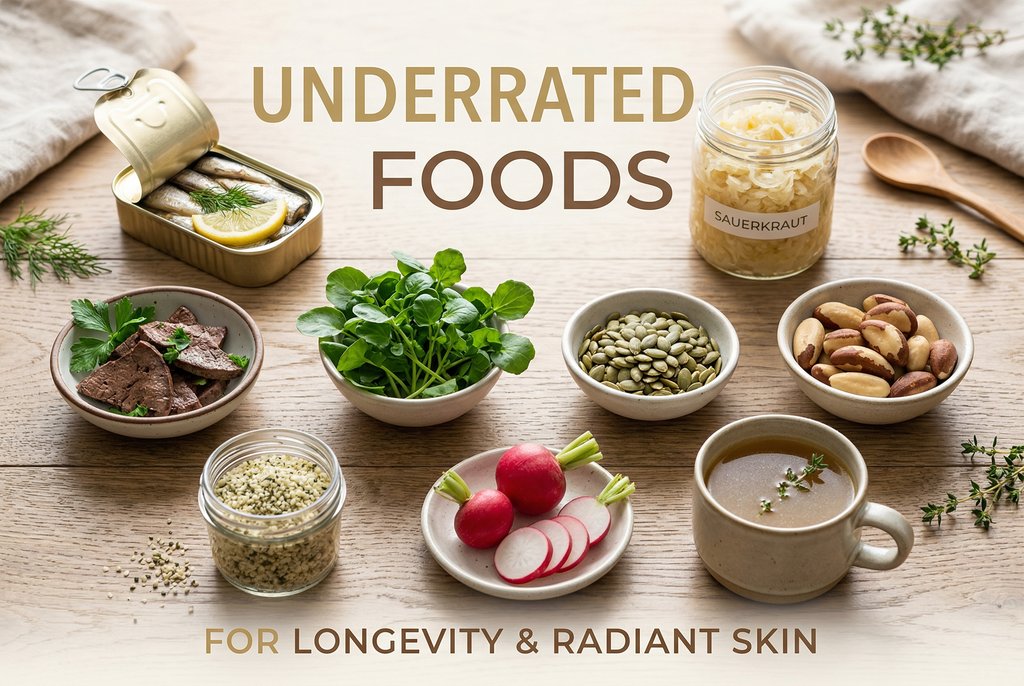
- Kitchen Synergy 2 (Wild Salmon + Roasted Sweet Potato): The omega-3 fats from wild salmon calm scalp inflammation, while carotenoids in sweet potatoes protect follicle cell lipids. For a broader exploration of nutrient-packed whole foods, explore our guide on nutrient-dense superfoods for longevity and radiant skin.
Kitchen-to-Vanity DIY Hair & Scalp Nourishment Recipes
While swallowing mega-dose pills carries real risks, applying wholesome, food-grade oils and botanical extracts directly to your hair and scalp provides comforting care without any internal side effects:
Recipe 1: Nourishing Avocado & Egg Yolk Cuticle Smoothing Mask
This whole-food pre-wash treatment uses natural fatty acids and egg yolk proteins to smooth down lifted hair cuticles and soften brittle, fragile ends.
- Best For: Softening dry, brittle hair lengths and protecting ends from mechanical friction.
- Ingredients: 1 fresh egg yolk, 1/2 ripe Haas avocado, and 1 tablespoon cold-pressed golden jojoba oil.
- Preparation: Mash the avocado in a small bowl until completely smooth. Whisk in the egg yolk and jojoba oil until you have a creamy, rich paste.
- How to Apply: Dampen hair lightly with lukewarm water. Distribute the mask from mid-lengths down to the ends, avoiding the roots. Cover with a shower cap for 20 to 25 minutes. Rinse thoroughly with cool water (to avoid cooking the egg) before using a gentle shampoo. Use once every two weeks.
Recipe 2: Gentle Rosemary & Jojoba Scalp Circulation Oil
This simple botanical blend uses pure rosemary essential oil diluted in biomimetic jojoba oil to stimulate micro-circulation around hair roots during a relaxing scalp massage.
- Best For: Encouraging blood circulation to hair roots and supporting a refreshed, balanced scalp environment.
- Ingredients: 1 ounce (30 mL) cold-pressed jojoba oil and 6 drops pure rosemary essential oil.
- Preparation: Add the rosemary oil drops directly into the bottle of jojoba oil. Cap tightly and roll between your palms for 30 seconds to blend.
- How to Apply: Part your hair into sections. Place 4 to 6 drops along part lines and massage into your scalp using the soft pads of your fingers in circular motions for 3 to 4 minutes. Leave on for 45 to 60 minutes before washing your hair. Repeat 2 to 3 times per week. To understand how rosemary compares to conventional options, read our in-depth review of rosemary oil vs minoxidil for natural hair regrowth.
The AM/PM Daily Hair Wellness & Nutrient Protocol
Healthy, vibrant hair thrives on daily consistency, balanced nutrition, and gentle physical care. Here is a simple, realistic routine to support your hair throughout the day:
Morning Routine: Nutrition & Low-Tension Care
- 8:00 AM – Whole-Food Breakfast: Enjoy two thoroughly cooked eggs with spinach and sliced avocado. This easily delivers around 20 mcg of bioavailable biotin, complete proteins, and healthy fats straight to your body.
- 8:30 AM – Sensible Micronutrient Support: If your doctor has recommended a multivitamin, choose a balanced formula containing 30 to 100 mcg of biotin rather than a 5,000 mcg megadose. Take it with your meal so it absorbs alongside other B-vitamins without crowding out vitamin B5.
- 9:00 AM – Gentle Low-Tension Styling: Avoid tight ponytails, slicked-back buns, or harsh hair ties that pull persistently on your hairline. Use soft silk scrunchies or wear hair loose to protect delicate hair roots from mechanical tension.
Evening Routine: Scalp Massage & Friction Defense
- 8:30 PM – Relaxing Scalp Massage: Take 3 to 4 minutes to gently massage your scalp using the soft pads of your fingertips. Gentle physical massage encourages localized blood flow to the hair roots, delivering fresh oxygen and nutrients.
- 9:00 PM – Targeted Scalp Oil (2–3 Nights Weekly): Apply a few drops of the Gentle Rosemary & Jojoba Scalp Oil to thinning areas, gently pressing it into the skin before relaxing for the evening.
- 10:15 PM – Friction-Free Sleep: Sleep on a silk or satin pillowcase. Unlike rough cotton that snags delicate hair fibers and absorbs moisture, silk allows hair strands to glide smoothly, preventing morning frizz and nighttime breakage.
Biotin Marketing Myths vs. Real-World Science Debunked
The beauty industry is brimming with persuasive myths designed to sell high-dose pills. Here is what dermatological science actually says:
- Myth 1: “Taking 10,000 mcg of biotin every day will double your hair growth speed.”
The Reality: Human scalp hair growth is genetically capped at about half an inch per month. Biotin is an everyday helper vitamin, not a growth hormone. Once your body has the modest amount it needs, taking 10,000 mcg will not make hair grow faster or thicker. The extra water-soluble vitamin is quickly filtered out by your kidneys into your urine, leaving you with expensive urine, an upset skin balance, and dangerous lab test interference. - Myth 2: “Biotin-infused shampoos penetrate hair roots to heal split ends.”
The Reality: Hair strands outside your scalp consist of non-living keratin. They cannot absorb vitamins from a shampoo and turn them into living tissue. Furthermore, shampoo stays on your scalp for barely two minutes before being rinsed away. Any temporary thickness you feel after using such products comes from cosmetic conditioning polymers, not real biological repair. - Myth 3: “Biotin supplements will trigger coarse facial and body hair in women.”
The Reality: Facial and body hair growth is governed by androgen hormones (such as testosterone and DHT), not B-vitamins. Biotin has zero hormonal activity and does not alter hormone levels. It will not cause women to develop unwanted facial hair or alter body hair patterns.
Frequently Asked Questions (FAQs)
How long does it take for biotin to show results if I am genuinely deficient?
If a doctor has diagnosed you with a true biotin deficiency, replenishing your levels typically calms excessive daily hair shedding within 60 to 90 days. However, because human hair grows at a steady rate of about 0.5 inches per month and resting hairs take 2 to 4 months to cycle out, seeing visible new fullness and stronger strands along your part line requires a patient 3 to 6 months of steady nutritional care.
Why do high-dose biotin supplements trigger cystic acne along my jawline?
Biotin and vitamin B5 (pantothenic acid) share the exact same absorption doorway in your gut (known in scientific research as the SMVT channel). When you take a 5,000 or 10,000 mcg megadose of biotin, that massive influx completely crowds the doorway, preventing vitamin B5 from being absorbed. Vitamin B5 is needed to help regulate your skin’s natural oils. Without enough B5, your skin oil thickens, pores clog, and painful cystic breakouts develop along your chin and jawline. Lowering your dose back to sensible nutritional levels (30 to 100 mcg) usually clears up breakouts within 2 to 4 weeks.
How many days before a scheduled blood test should I stop taking biotin?
The U.S. Food and Drug Administration (FDA) and laboratory guidelines recommend stopping all biotin-containing supplements for at least 48 to 72 hours prior to elective blood tests. In individuals with reduced kidney function, this washout window should be extended to 5 to 7 days. This pause ensures that excess biotin has fully cleared your bloodstream so it will not blind tests for heart attacks (cardiac troponin) or distort thyroid panels.
Can biotin supplements reverse male or female pattern hair loss?
No. Hereditary pattern hair loss (androgenetic alopecia) is caused by genetic sensitivity to dihydrotestosterone (DHT), not a vitamin deficiency. DHT causes susceptible hair follicles on the scalp to gradually shrink over time. Biotin does not lower DHT levels or block androgen receptors. People experiencing pattern thinning should consult a dermatologist for evidence-based treatments such as minoxidil or validated scalp therapies rather than relying on biotin supplements.
Medical Disclaimer
The information presented in this article is provided exclusively for educational, translational health, and informational purposes. It is not intended to serve as a substitute for professional medical advice, clinical diagnosis, or medical treatment. Dietary supplements are not regulated with the same pre-market clinical testing as prescription medications. Never disregard professional medical counsel or delay seeking clinical care because of something you have read on this website. Always consult a qualified physician, dermatologist, or licensed healthcare provider before introducing new dietary supplements into your wellness routine, especially if you are pregnant, nursing, managing kidney or metabolic conditions, or preparing for diagnostic laboratory blood tests.