




Extra virgin olive oil (EVOO) has evolved far beyond culinary traditions to become one of the most biocompatible natural lipids in modern personal care and functional dermatology. Abundant in monounsaturated oleic acid, botanical squalene, and fat-soluble polyphenols like hydroxytyrosol, unrefined olive oil excels at dissolving resistant cosmetic binders, restoring depleted intercellular lipids, and softening hyperkeratotic skin. When utilized with precise physiological awareness—and avoiding inflamed or acne-prone facial zones—cold-pressed olive oil powers 6 science-backed beauty routines and gentle home remedies: first-step lipid cleansing, intensive cuticle conditioning, pre-shampoo scalp stratum corneum hydration, friction-free shaving protection, overnight heel callus repair, and safe botanical cerumen softening.
Core Takeaways & Routine Blueprint
- Lipid-Bond Cleansing: EVOO dissolves water-resistant sunscreens and silicone-rich foundation through the chemical principle of like dissolves like, preventing mechanical skin dragging.
- Keratin & Cuticle Fortification: Rich in bio-identical squalene and alpha-tocopherol (vitamin E), olive oil penetrates micro-fissures in fragile nails and dehydrated periungual skin.
- Targeted Stratum Corneum Occlusion: Serves as an effective emollient barrier for parched heels and pre-shampoo scalp lengths, dramatically suppressing trans-epidermal water loss (TEWL).
- Strict Physiological Caveats: Because oleic acid can compromise impaired epidermal barriers and nourish Malassezia yeasts, olive oil should not be left on active facial acne, eczema, or seborrheic dermatitis.

Realistic Timeline & Expectation Management
Authentic dermatological transformation is governed by human cellular chronobiology rather than immediate marketing claims. Plant-derived lipids function as topical emollients and mechanical buffers; they do not alter cellular genetics overnight. Here is the realistic biological timeline you can anticipate when integrating cold-pressed extra virgin olive oil into targeted self-care rituals:
- Immediate (Hours 1–24): Instant surface emollience, reduced friction during shaving, rapid dissolution of hydrophobic makeup binders, and temporary physical softening of hardened keratin plugs.
- Short-Term (Weeks 1–2): Marked reduction in periungual hangnails, decreased brittle nail cracking, and noticeable smoothing of rough plantar heel calluses under consistent overnight occlusion.
- Full Epidermal Turnover (Weeks 4–6): Natural epidermal renewal takes approximately 28 days in younger adults and between 40 to 50 days in mature skin. Sustained barrier repair, optimal cuticle resilience, and balanced scalp hydration manifest fully across an entire physiological turnover cycle.
6 Science-Backed Unusual Uses for Olive Oil
Modern cosmetic chemistry and clinical dermatology validate 6 versatile, non-culinary applications for unrefined extra virgin olive oil:
1. Gentle First-Step Oil Cleansing & Lipid-Bond Makeup Dissolution
Modern high-performance cosmetics, waterproof mascaras, and mineral-based sunscreens rely on stubborn hydrophobic binders, acrylate polymers, and dimethicone silicones designed specifically to resist water. Attempting to wash these away with aggressive, foaming surfactant cleansers forces excessive mechanical scrubbing and leaches native ceramides from the stratum corneum, creating reactive redness and barrier disruption.
Cold-pressed olive oil operates on the fundamental chemical tenet that non-polar lipids dissolve non-polar compounds. Massaging 3 to 4 drops of warm EVOO onto dry skin for 60 seconds gently solubilizes waterproof cosmetic polymers and oxidized follicular sebum without disrupting your underlying acid mantle. As highlighted in a comprehensive dermatological review on topical plant oils and skin barrier function, unrefined botanical oils provide essential antioxidant polyphenols during topical cleansing. To preserve clean pores, always follow this initial dissolution step by gently wiping with a warm, damp microfiber washcloth and rinsing with a mild water-soluble cleanser. For a holistic approach to clear skin, explore our complementary guide on natural remedies for radiant skin.
2. Cuticle and Nail Keratin Conditioning Matrix
Nail plates are composed of tightly packed lamellar sheets of hard alpha-keratin. Frequent exposure to alcohol hand sanitizers, hot tap water, and harsh domestic cleaning detergents leaches out the natural cholesterol and fatty acid matrix between these keratin sheets, producing painful hangnails, cuticle splitting, and brittle nail delamination (onychorrhexis).
Extra virgin olive oil contains up to 80% monounsaturated oleic acid along with abundant plant squalene and alpha-tocopherol (natural vitamin E). Because squalene shares structural homology with natural sebum, it readily slips into the micro-fissures of dry periungual skin and the intercellular borders of the nail plate. Massaging a single drop into each cuticle bed every evening restores structural elasticity, locks in hydration, and helps shield nails against brittle splitting. To support healthy nail and tissue regeneration from within, consider combining topical care with nutrient-dense strategies like collagen peptides and skin elasticity.
3. Pre-Shampoo Scalp Stratum Corneum Hydration
Harsh environmental elements and frequent clarifying washes strip the scalp of its protective hydrolipidic film, resulting in persistent tightness, micro-flaking, and cuticle damage along the hair shaft. During showering, rapid water absorption into the hair cortex causes the fibers to swell and contract repeatedly—a damaging mechanical phenomenon known in trichology as hygral fatigue.
Applying extra virgin olive oil as a pre-shampoo oil treatment provides a protective hydrophobic shield. The triglyceride molecules coat hair cuticle margins, mitigating excessive moisture uptake while providing emollient relief to dry, tight scalp areas. Simply section dry hair, warm 1 to 2 teaspoons of EVOO in your palms, massage gently into the scalp and mid-lengths, let rest for 20 minutes, and proceed with your normal shampoo wash. Dermatological note: If you have active seborrheic dermatitis or severe oily dandruff, skip scalp oiling, as free fatty acids can stimulate Malassezia yeast proliferation.
4. Friction-Free Shaving Buffer & Razor-Burn Defense
Commercial aerosol shaving foams frequently contain isobutane propellants, drying alcohol derivatives, and synthetic fragrances that strip moisture from the stratum corneum just before an ultra-sharp blade glides across it. This friction often results in micro-nicks, epidermal abrasion, painful pseudofolliculitis, and persistent razor burn.
A thin film of extra virgin olive oil serves as an exceptional natural shaving lubricant. Its high-viscosity lipid profile establishes a transparent, continuous barrier that dramatically lowers the mechanical friction coefficient between blade edge and hair follicle. This slip allows the razor to shear hairs flush against the surface without snagging or dragging. Furthermore, the oil’s inherent hydroxytyrosol polyphenols provide immediate calming benefits to freshly shaved skin. Smooth 3 to 4 drops over warmed, damp skin, shave with a sharp blade while rinsing under hot water, and pat gently dry.
5. Overnight Heel and Callus Occlusive Repair
The stratum corneum on human heels and soles is exceptionally dense, often reaching 30 to 50 cell layers in thickness to withstand continuous mechanical weight. Under friction and lack of moisture, this hyperkeratotic skin dries out, forming rigid calluses and painful, deep vertical fissures that can bleed or become infected.
Because olive oil is a rich, slow-absorbing emollient, it excels as an overnight occlusive agent for thick plantar skin. Massaged into damp soles immediately after bathing, the oil softens compacted corneocytes and creates a breathable lipid seal that traps moisture deep within stratum corneum layers. For optimal therapeutic repair, coat heels generously with 1 teaspoon of warm EVOO, slip on clean, breathable 100% cotton socks, and sleep overnight. Within 7 to 14 consecutive nights, rough calluses soften substantially and cracked heel fissures heal smoothly.
6. Botanical Cerumen (Earwax) Softening and Hygiene
Impacted earwax (cerumen) is one of the most common causes of temporary conductive hearing reduction, ear fullness, and canal irritation. Inserting cotton swabs or mechanical probes into the ear canal is strongly cautioned by otolaryngologists, as doing so compacts cerumen against the sensitive tympanic membrane and risks canal wall trauma.
High-grade, sterile or freshly opened extra virgin olive oil acts as an effective natural ceruminolytic agent. The lipophilic fatty acids gently soften the wax plug’s cohesive lipid structure, facilitating its natural fragmentation and outward clearance along the canal. Warm the dropper bottle to body temperature between your palms, tilt your head sideways, place 2 to 3 drops into the affected ear canal, remain tilted for 3 to 5 minutes, and gently wipe any excess from the outer ear opening with a clean cloth. Critical safety rule: Never instill any drops into the ear canal if you have a known eardrum perforation, tympanostomy tubes, pain, or active discharge.
Olive Oil Applications: Practical Comparison Matrix
Refer to this comprehensive matrix to align each olive oil application with proper biological mechanisms, frequencies, and precautions:
| Application / Routine | Biological Mechanism | Target Concern | Frequency & Safety Rule |
|---|---|---|---|
| 1. First-Step Oil Cleansing | Non-polar lipid dissolution of hydrophobic waxes and sebum | Waterproof makeup & mineral sunscreen removal | Evening only; always follow with a warm cloth and second water cleanser |
| 2. Cuticle & Nail Conditioning | Squalene and oleic acid replenishment of keratin matrix | Brittle nails, peeling, and painful hangnails | Daily at bedtime; massage 1 drop across all nail beds |
| 3. Pre-Shampoo Scalp Hydration | Hydrophobic lipid buffer reducing cuticle hygral fatigue | Dry, tight scalp and brittle hair lengths | 1–2 times weekly for 20 minutes; avoid if diagnosed with seborrheic dermatitis |
| 4. Friction-Free Shaving Buffer | High-lubricity barrier lowering blade friction coefficient | Razor burn, micro-nicks, and dry-shave irritation | As needed; apply 3 drops over damp skin; rinse razor in hot water |
| 5. Overnight Heel Callus Repair | Heavy emollient occlusion softening thick hyperkeratotic plaques | Dry cracked heels and plantar calluses | 3–5 nights weekly; wear 100% breathable cotton socks to prevent slipping |
| 6. Botanical Cerumen Softening | Lipophilic dissolution of hardened cerumen lipid scaffold | Impacted earwax and dry canal buildup | 2–3 drops daily for up to 3 days; contraindicated if eardrum is perforated |
Skin Safety & Critical Redlines
While extra virgin olive oil is a clean, kitchen-staple botanical lipid, successful topical application requires understanding its specific fatty acid profile and dermatological limits:
- Mandatory 24-Hour Patch Test: Before applying olive oil to facial skin or extensive body areas, dab 2 drops onto your inner forearm or behind the ear. Monitor for 24 hours to ensure absence of erythema, contact dermatitis, or pruritus.
- Oleic Acid vs. Compromised Barrier Integrity: Olive oil consists of 55% to 83% oleic acid, a mono-unsaturated fatty acid that can alter intercellular lipid packing in already-damaged skin barriers. As demonstrated in a benchmark clinical study in Pediatric Dermatology on topical olive oil and stratum corneum integrity, continuous leave-on application of olive oil on sensitive or eczema-prone skin resulted in mild erythema and disrupted barrier integrity compared to high-linoleic oils like sunflower seed oil. If managing active atopic eczema or broken skin, avoid leave-on olive oil.
- Acne & Malassezia Contraindication: Olive oil carries a comedogenic rating of 2. It is not suitable as a leave-on moisturizer for oily, acne-prone T-zones or individuals prone to fungal folliculitis, as oleic acid serves as a substrate for Cutibacterium acnes and Malassezia yeast.
- Cold-Pressed Purity Standard: Always use 100% certified extra virgin olive oil packaged in dark glass bottles. Highly refined, chemically bleached, or heat-extracted olive oils lack antioxidant polyphenols and may harbor irritating peroxides from lipid oxidation.
Kitchen-to-Vanity DIY Recipe: 2-Ingredient Honey-Olive Cuticle Salve
This quick, food-grade emulsion harnesses the humectant properties of raw honey alongside the lipid-replenishing power of extra virgin olive oil to repair cracked, dry nail margins:
- Ingredients: 1 tablespoon cold-pressed extra virgin olive oil, 1 tablespoon raw unpasteurized honey.
- Step 1 (Whisk): In a small ceramic bowl or glass ramekin, vigorously whisk the olive oil and raw honey together until a velvety, golden micro-emulsion forms.
- Step 2 (Massage): Dab a small pea-sized amount onto the cuticle and periungual skin of each finger. Gently massage in small circular motions for 60 seconds per hand to stimulate microcirculation in the nail matrix.
- Step 3 (Rest & Rinse): Leave the salve on for 10 to 15 minutes to allow honey’s natural fructose and glucose humectants to pull ambient moisture into the keratin sheets while olive squalene locks it in. Rinse with lukewarm water and pat dry.
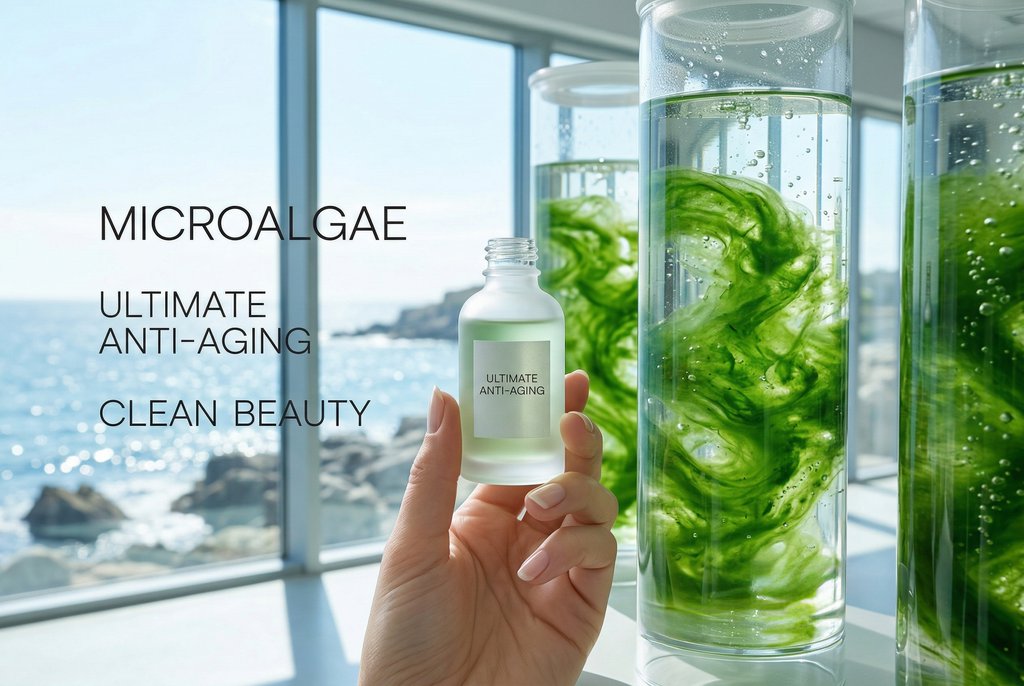
For individuals seeking advanced whole-body clean beauty protocols, pairing kitchen emollients with sustainable marine phytonutrients like microalgae anti-aging clean beauty provides comprehensive, multi-layered antioxidant defense.
AM/PM Routine: Seamless Integration Blueprint
Incorporate the 6 unusual uses of olive oil into your weekly rhythm without disrupting your regular skincare regimen:
- Morning (AM) Routine:
- Friction-Free Shave: Apply 3 to 4 drops of EVOO to warm, damp skin before shaving legs, underarms, or facial hair. Rinse the blade frequently, pat dry, and follow with your daily broad-spectrum SPF 30+ mineral sunscreen.
- Post-Wash Cuticle Seal: After morning handwashing, dab a micro-drop of olive oil across cuticles before stepping into dry office or outdoor environments.
- Evening (PM) Routine:
- First-Step Double Cleanse: Gently massage 4 drops of EVOO over dry facial skin for 60 seconds to break down sunscreen and waterproof makeup. Wipe away thoroughly with a warm, damp washcloth, then wash with a gentle foaming cleanser.
- Overnight Heel Recovery: Before bed, massage 1 teaspoon of olive oil into damp, clean soles and heels, slip on breathable 100% cotton socks, and let the emollient seal work overnight.
Beauty Myth-Busting: Separating Hype from Biochemistry
Natural beauty remedies often collect anecdotal misinformation online. Here is what modern dermatology says about common olive oil claims:
- Myth 1: “Olive oil has an SPF of 8 and can replace daily commercial sunscreen.”
Scientific Reality: Rigorous spectrophotometric analyses show olive oil provides an SPF value between 1.2 and 2, which is functionally negligible against destructive ultraviolet rays. Furthermore, it offers virtually zero broad-spectrum UVA filtering. Replacing proper sunscreen with olive oil leads to cumulative DNA photodamage, accelerated elastin degradation, and elevated skin cancer risks. Never use olive oil as sun protection. - Myth 2: “Natural plant oils never clog pores or trigger acne breakouts.”
Scientific Reality: Comedogenicity depends on fatty acid profile, pore diameter, and individual sebum production. Olive oil’s high oleic acid content makes it moderately comedogenic. While it works wonders as a rinse-off first cleanser or heel salve, leaving pure olive oil on acne-prone facial zones can trigger follicular hyperkeratinization and comedones. - Myth 3: “Applying olive oil can permanently repair and seal split hair ends.”
Scientific Reality: Hair strands consist of non-living, fully keratinized fiber structures without active cellular metabolism. Once a hair shaft physically fractures into a split end, no topical lipid can biologically stitch the split back together. Olive oil provides temporary emollient lubrication that smooths frayed cuticles and reduces mechanical friction, but the only permanent cure for split ends is a clean hair trim.
Frequently Asked Questions (FAQ)
Can extra virgin olive oil cause facial breakouts on sensitive or acne-prone skin?
Yes. Olive oil contains a high proportion of oleic acid (55% to 83%), which yields a moderate comedogenic rating of 2. For individuals with oily, combination, or acne-prone skin types, leaving olive oil on facial skin overnight can trap follicular debris and nourish acne-associated bacteria. However, it can be safely utilized as a rinse-off first cleanser when emulsified with a damp warm cloth and thoroughly removed with a gentle water-based wash.
What grade of olive oil is safest for topical beauty and home remedies?
Only certified cold-pressed extra virgin olive oil (EVOO) packaged in dark glass or metal containers should be used for personal care. Lower grades, such as refined olive oil or olive pomace oil, undergo high-heat solvent extraction and chemical neutralization that destroy beneficial squalene and polyphenol antioxidants while potentially introducing oxidized lipid peroxides that irritate the epidermis.
How often can I safely use olive oil drops to soften earwax?
For mild cerumen impaction, administering 2 to 3 body-temperature drops once or twice daily for 3 consecutive days is generally sufficient to soften the wax plug and facilitate its natural migration out of the ear canal. If ear fullness, pain, or hearing muffledness persists beyond 5 days, discontinue application and consult a physician or audiologist for professional microsuction irrigation. Never insert cotton buds or sharp objects into the canal.
Disclaimer: This article is intended strictly for educational and informational purposes and does not substitute for personal medical, dermatological, or otolaryngological advice, diagnosis, or treatment. Always consult with a qualified healthcare provider or board-certified dermatologist before introducing botanical oils into your routine, especially if managing eczema, broken skin, or chronic ear conditions.