Fresh organic wild blueberries displaying rich blue-purple anthocyanin pigments and high antioxidant density

8 Science-Backed Health Benefits of Blueberries: Anthocyanins, Neurocognition, and Vascular Defense

Blueberries (predominantly highbush Vaccinium corymbosum and wild lowbush Vaccinium angustifolium) are widely recognized in molecular nutrition as one of the richest dietary sources of polyphenolic flavonoids—specifically anthocyanins (malvidin, delphinidin, cyanidin, and petunidin glucosides), pterostilbene, and ellagic acid. In human clinical trials, consuming whole blueberries delivers exceptional biological activity because their polyphenols cross both the intestinal…

Read Full News

Something You Should Know About the Cure for Osteoporosis

Osteoporosis is a widespread condition impacting millions globally, especially among older adults, resulting in weakened and brittle bones, elevating the risk of fractures and related complications. This condition significantly influences the well-being and quality of life for those affected. Imagine if there were a surefire remedy for osteoporosis—an avenue to undo the damage and rejuvenate…

Read Full News

How to Get Rid of Dark Circles: 5 Clinically Proven Interventions by Etiology

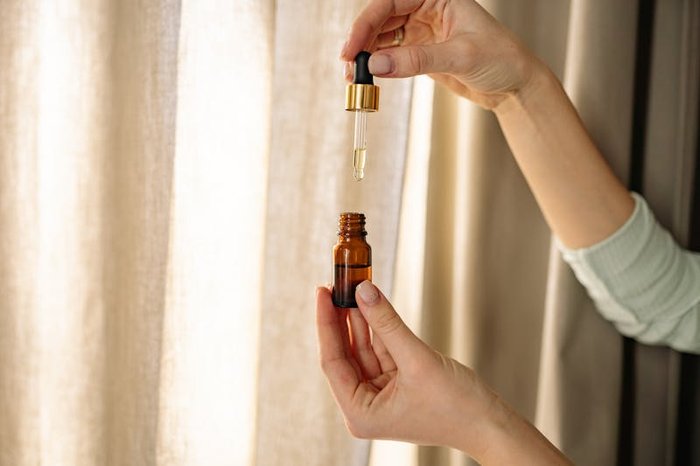
Periorbital hyperchromia—clinically known as dark circles under the eyes—is one of the most frustrating, universally encountered aesthetic concerns. Popular beauty marketing frequently promotes a single “miracle eye cream” for all dark circles, yet dermatological science reveals that dark circles are not a singular condition. They arise from distinct, overlapping physiological mechanisms: microvascular venous congestion, melanin…

Read Full News
Fresh sliced ripe avocado showing nutrient-dense monounsaturated oleic acid lipids, dietary fiber, and phytosterol content

5 Science-Backed Health Benefits of Avocado: Monounsaturated Lipids, Phytosterols, and Glycemic Defense

The avocado (Persea americana), historically known as the “alligator pear,” is biologically unique among botanical fruits: unlike sugar-dense sweet fruits, avocados store their macro-energy almost entirely as monounsaturated fatty acids (principally oleic acid, 18:1 cis-9) and complex prebiotic dietary fiber. Packed with bioactive phytosterols (beta-sitosterol), natural lipid-soluble vitamins (alpha-tocopherol, vitamin K1), and vital minerals (potassium,…

Read Full News
Fresh organic red and yellow onions sliced open revealing concentric rings rich in quercetin and bioactive allicin sulfur compounds

8 Science-Backed Health Benefits of Onions: Quercetin Bioavailability, Organosulfurs, and Cardioprotection

Onions (botanically classified as Allium cepa) are far more than a foundational culinary aromatics; in nutritional biochemistry and clinical pharmacology, they represent nature’s richest dietary source of bioavailable flavonol polyphenols (predominantly quercetin-4′-O-beta-D-glucoside), organosulfur bioactives (thiosulfinates, cepaenes, and S-alkenyl cysteine sulfoxides), and non-digestible prebiotic inulin fructans. When raw onion tissue is mechanically crushed or sliced, the…

Read Full News
Fresh crisp green cucumbers sliced on a wooden board highlighting cellular hydration and bioactive nutrients

8 Evidence-Based Health Benefits of Cucumbers: Hydration Kinetics, Cucurbitacins, and Dermal Soothing

Cucumbers (Cucumis sativus), belonging to the Cucurbitaceae botanical family alongside melons and squashes, represent one of the most widely cultivated and scientifically intriguing functional vegetables on the globe. While frequently dismissed as mere “flavored water” due to their remarkable 96% moisture content, modern pharmacological investigations reveal that cucumbers serve as an exquisite, hypotonic biological delivery…

Read Full News
Clinical home remedies for hemorrhoids including warm isotonic sitz baths, witch hazel astringents, and soluble psyllium fiber support

6 Evidence-Based Home Remedies for Hemorrhoids: Pelvic Venous Decompression, Astringents, and Stool Rheology

Hemorrhoids—pathologically engorged, prolapsed arteriovenous plexuses within the submucosal anal cushions—stem from chronic intra-abdominal hypertension, low-fiber hard stools, and excessive Valsalva defecatory straining. Within the anorectal junction, disruption of the fibroelastic Treitz muscle and persistent hypertonicity of the internal anal sphincter impede venous drainage, leading to painful vascular dilation, micro-thrombosis, and mucosal bleeding. Conservative home management…

Read Full News