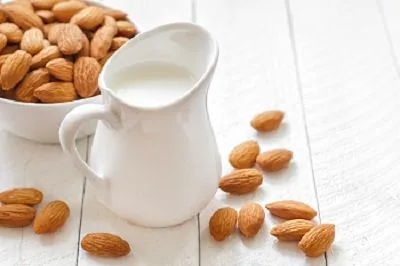
Unsweetened almond milk—an emulsion of pulverized almonds (Prunus dulcis) and purified water—has evolved into the world’s most ubiquitous plant-based dairy alternative for individuals managing primary hypolactasia, cow’s milk protein allergy, or metabolic dysregulation. Providing approximately 30 to 35 kilocalories per 240 mL serving, unsweetened almond milk delivers negligible fermentable carbohydrates alongside cardioprotective monounsaturated fats, natural lipid-soluble antioxidants, and bioavailable micronutrient fortification. When produced without added cane sugars or inflammatory thickening emulsifiers, almond milk supports stable postprandial glycemic excursions, shields epidermal membranes from oxidative degradation, and delivers bone-mineralizing calcium on par with traditional dairy. The 6 clinically verified health benefits of almond milk encompass caloric deficit maintenance and low-glycemic metabolic buffering, cellular antioxidant defense via bioavailable alpha-tocopherol (vitamin E), skeletal bone matrix mineralization through fortified calcium and vitamin D, cardioprotective lipid modulation via monounsaturated oleic acid and zero dietary cholesterol, complete elimination of gastrointestinal distress from lactose and dairy casein, and vascular endothelial protection through balanced electrolyte stoichiometry.
Quick Nutrition Science & Key Takeaways
- Hypocaloric Glycemic Buffer: Unsweetened almond milk supplies only 30 to 35 calories and under 1.5 grams of net carbohydrates per cup, producing near-zero glycemic impact and preventing postprandial insulin surges.
- Lipid-Soluble Photoprotection: Delivering 50% to 100% of the daily value for alpha-tocopherol (vitamin E) per serving, almond milk terminates lipid peroxidation in cellular membranes and protects dermal fibroblasts.
- Fortified Skeletal Density: Fortified formulations match or exceed bovine milk by supplying 300 to 450 mg of bioavailable calcium paired with vitamin D, supporting osteoblast mineralization in lactose-intolerant populations.
The Nutritional Biochemistry of Almond Emulsions: Processing and Fortification
Almond milk is traditionally produced by soaking sweet almonds in water, finely milling the rehydrated seeds, and centrifuging or straining the resultant suspension to separate insoluble pomace from the creamy liquid emulsion. While the fibrous almond press cake retains much of the insoluble cellulose and dietary fiber, the liquid fraction captures dispersed micro-droplets of lipid triglycerides, water-soluble micronutrients, and phytosterols.
According to comparative food science evaluations cataloged by the National Center for Biotechnology Information (NCBI) on plant-based milk alternatives and human nutrition, commercial unflavored almond milk represents a clean, low-density colloidal suspension. Because raw almonds are naturally dense in alpha-tocopherol, magnesium, and oleic acid, modern micro-fortification with tricalcium phosphate, calcium carbonate, and ergocalciferol (vitamin D2) transforms the beverage into an effective nutritional surrogate for cow’s milk. Integrating pure almond milk into your daily dietary regimen alongside our comprehensive guide on fiber-forward digestive wellness establishes an anti-inflammatory, gut-friendly metabolic foundation.
“Unsweetened almond milk offers an exceptional calorie-to-nutrient ratio for metabolic disease prevention; however, consumers must distinguish between clean fortified emulsions and sugar-laden dessert substitutes formulated with ultra-processed additives.”
6 Science-Backed Health Benefits of Almond Milk
Modern clinical nutritional science substantiates six distinct health benefits associated with the regular consumption of unsweetened almond milk:
1. Hypocaloric Energy Density and Postprandial Glycemic Stability
Metabolic syndrome and type 2 diabetes mellitus are exacerbated by hidden liquid carbohydrates found in sodas, fruit juices, and even standard bovine milk (which contains ~12 grams of lactose sugar per 240 mL cup). In contrast, unsweetened almond milk contains approximately 30 to 35 kilocalories and merely 1.0 to 1.5 grams of total carbohydrates per serving, with net sugar levels below 0.5 grams.
With an estimated Glycemic Index (GI) approaching zero, drinking unsweetened almond milk prevents the rapid duodenal glucose absorption that stimulates sharp postprandial insulin spikes from pancreatic beta-cells. Replacing full-fat or reduced-fat dairy milk (which supplies 120–150 kcal/cup) with unsweetened almond milk creates an effortless, sustainable daily caloric deficit of 100 kcal per serving. This calorie displacement supports steady weight loss and visceral adipose reduction without provoking rebound hunger pangs, as highlighted in our clinical analysis of managing diabetes with natural remedies.
2. Alpha-Tocopherol (Vitamin E) Radical Scavenging and Epidermal Photoprotection
Cellular aging and cutaneous photoaging stem from reactive oxygen species (ROS) that initiate oxidative chain reactions across polyunsaturated fatty acids in cell membranes. Almond milk is an outstanding dietary vehicle for alpha-tocopherol, the most biologically potent antioxidant form of vitamin E, supplying 7.0 to 8.0 mg per fortified cup (roughly 50% of the adult daily value).
Research published in the NCBI review on vitamin E and cutaneous biology demonstrates that alpha-tocopherol incorporates directly into cellular sebaceous lipids and stratum corneum membranes. When solar ultraviolet (UVA/UVB) radiation generates hydroxyl and superoxide free radicals, alpha-tocopherol intercepts the lipid peroxyl radicals, terminating oxidative propagation and protecting dermal collagen fibers and fibroblast DNA from cross-linking damage. This systemic antioxidant defense coordinates synergistically with modern anti-aging nutrition to maintain skin elasticity and barrier hydration.
3. Fortified Tricalcium Phosphate and Cholecalciferol for Skeletal Osteogenesis
Bone remodeling is a dynamic biological equilibrium governed by osteoclast bone resorption and osteoblast bone matrix mineralization. A primary concern for individuals abandoning dairy milk is the risk of calcium and vitamin D deficiencies, which accelerate osteopenia and osteoporosis.
Standard commercially fortified almond milk addresses this vulnerability by incorporating micronized calcium carbonate or tricalcium phosphate, delivering 300 to 450 mg of elemental calcium per cup (surpassing the 290–300 mg found in standard cow’s milk). Isotope-tracing bioavailability studies demonstrate that the fractional intestinal absorption of calcium carbonate in plant-based milks (~31% to 33%) is functionally identical to that of dairy calcium. Paired with 2.5 micrograms (100 IU) of fortified vitamin D2 or D3, almond milk promotes active duodenal calcium transport via transient receptor potential vanilloid-6 (TRPV6) channels and calbindin-D9k proteins, preserving cortical bone mineral density across aging adults.
4. Monounsaturated Oleic Acid and Zero-Cholesterol Cardioprotection
Atherosclerosis and coronary heart disease risk correlate directly with elevated circulating levels of atherogenic low-density lipoprotein (LDL) particles and small dense LDL (sdLDL). Bovine dairy products contain high concentrations of saturated fatty acids (myristic, lauric, and palmitic acids) and dietary cholesterol, which suppress hepatic LDL receptor turnover.
Unsweetened almond milk contains zero dietary cholesterol and possesses an exceptionally low saturated fat profile (< 0.5 g/cup). Its lipid profile is dominated by monounsaturated fatty acids (MUFAs), primarily oleic acid (18:1 cis-9). Dietary oleic acid stimulates hepatic LDL receptor transcription, increasing systemic LDL clearance from circulating plasma. Concurrently, almond lipids resist oxidative modification, decreasing the formation of oxidized LDL (oxLDL)—the primary trigger for macrophage foam cell transformation and atheromatous plaque accumulation in coronary arteries.
5. Complete Gastrointestinal Tolerance: Free of Lactose, Whey, and A1 Beta-Casein
Approximately 68% of the global adult human population suffers from primary hypolactasia—a genetically programmed post-infancy downregulation of the brush-border enzyme lactase-phlorizin hydrolase in the jejunum. Ingesting dairy lactose leads to undigested disaccharides reaching the colon, where bacterial fermentation produces excess hydrogen gas, methane, carbon dioxide, and osmotic fluid shifts that cause abdominal distension, severe bloating, cramping, and osmotic diarrhea.
Furthermore, bovine dairy proteins—specifically A1 beta-casein and beta-lactoglobulin—frequently provoke subclinical mucosal inflammation and microvascular hyperpermeability through the release of the inflammatory peptide beta-casomorphin-7 (BCM-7). Almond milk is naturally 100% free of lactose, galactose, casein, and whey. Transitioning to unsweetened almond milk instantly eliminates dairy-induced osmotic gastrointestinal distress and stabilizes intestinal barrier integrity in sensitive individuals.
6. Vascular Homeostasis and Renal-Distal Blood Pressure Moderation
Essential hypertension is profoundly aggravated by modern industrial diets exhibiting excessive sodium-to-potassium ratios. High sodium intake expands extracellular fluid volume, while low potassium stiffens arterial vascular smooth muscle.
Commercial unsweetened almond milk provides a beneficial cardiovascular electrolyte balance: it contains modest sodium (~150 to 180 mg per cup from added sea salt for stability, or < 10 mg in homemade versions) alongside bioavailable potassium (150 to 200 mg) and magnesium (15 to 20 mg). Intracellular potassium and magnesium promote endothelial nitric oxide synthase (eNOS) activation, inducing cyclic GMP-mediated vascular smooth muscle hyperpolarization and arteriolar relaxation. This biochemical mechanism aligns with our clinical protocol on evidence-based home remedies for high blood pressure.
Nutritional Comparison: Unsweetened Almond Milk vs. Whole Bovine Milk
| Nutritional Parameter (Per 240 mL Cup) | Unsweetened Fortified Almond Milk | Standard Whole Bovine Milk (3.25% Fat) | Clinical / Metabolic Significance |
|---|---|---|---|
| 1. Energy Density (Calories) | 30–35 kcal | 146–150 kcal | Provides a 75% calorie reduction, ideal for fat loss protocols. |
| 2. Total Carbohydrates & Sugars | 1.0–1.5 g (Sugars: < 0.5 g) | 12.0 g (All Lactose Disaccharide) | Zero glycemic surge; prevents reactive postprandial hypoglycemia. |
| 3. Vitamin E (Alpha-Tocopherol) | 7.0–8.0 mg (50% Daily Value) | 0.1 mg (< 1% Daily Value) | Superior lipophilic antioxidant protection against cutaneous aging. |
| 4. Elemental Calcium (Fortified) | 300–450 mg (25%–35% Daily Value) | 290–300 mg (25% Daily Value) | Identical bioavailable osteogenic mineralization. |
| 5. Cholesterol & Saturated Fat | 0 mg Cholesterol; < 0.5 g Saturated Fat | 24–30 mg Cholesterol; 4.6 g Saturated Fat | Atheroprotective; avoids suppressing hepatic LDLR expression. |
| 6. Protein Content | 1.0 g (Incomplete Plant Amino Acids) | 8.0 g (Complete Whey & Casein) | Low protein density; requires complementary dietary protein sources. |
Critical Nutrition Redlines: Infant Nutrition, Carrageenan, and Added Sugars
To maximize the clinical benefits of almond milk while avoiding common health pitfalls, adhere to these three nutritional guidelines:
1. Absolute Redline: Infant Nutrition Warning: Almond milk is strictly unsuitable as a primary breastmilk or infant formula replacement for infants and toddlers under 2 years of age. Delivering only 1 gram of protein and low caloric density per cup, substituting almond milk for infant formula has precipitated severe cases of protein-energy malnutrition (kwashiorkor), hypocalcemia, and failure to thrive. Pediatric nutrition requires complete breastmilk, fortified infant formula, or whole bovine/soy beverages after 12 months under pediatric guidance.
2. Screen for Added Cane Sugars and Flavorings: Many commercial brands market “Original” or flavored vanilla/chocolate almond milks that contain between 12 and 18 grams of added cane sugars per cup, converting a hypocaloric health beverage into an insulin-spiking processed drink. Always purchase cartons explicitly labeled “Unsweetened”.
3. Emulsifiers and Carrageenan-Free Selection: Certain legacy brands utilize carrageenan (a seaweed-derived sulfated polygalactan) as an emulsifier to prevent separation. Preclinical studies indicate degraded carrageenan can trigger intestinal epithelial barrier disruption and colitis. Select modern brands stabilized with sunflower lecithin, gellan gum, or acacia gum—or prepare fresh homemade almond milk using blanched almonds and pure water.
Disclaimer: This article is for informational purposes only and is not intended as medical advice. Always consult with a qualified healthcare professional before making changes to your health regimen.
Frequently Asked Questions (FAQ)
Is almond milk a good source of dietary protein compared to cow’s milk or soy milk?
No. Standard almond milk contains only about 1 gram of protein per 240 mL serving, compared to 8 grams in cow’s milk and 7 to 8 grams in organic soy milk. During almond milk manufacturing, the fibrous protein-rich almond meal is strained out, leaving mostly water, healthy fats, and micronutrients. If protein intake is your goal, pair almond milk with complementary protein sources such as eggs, whey, or legumes.
Does almond milk contain as much bioavailable calcium as dairy milk?
Yes, provided you purchase a commercially fortified brand. Most commercial almond milks are fortified with calcium carbonate or tricalcium phosphate to provide 300 to 450 mg of elemental calcium per cup, matching or exceeding cow’s milk. Isotope absorption studies demonstrate that human intestinal absorption of calcium carbonate from fortified plant milks is approximately 31% to 33%, identical to the bioavailability of calcium found naturally in bovine milk.
Can people with tree nut allergies safely drink almond milk?
No. Almonds are tree nuts (Prunus dulcis). Individuals with diagnosed allergies to almonds or cross-reactive tree nuts (such as cashews, walnuts, or hazelnuts) must strictly avoid almond milk due to the risk of severe IgE-mediated allergic reactions, including oral allergy syndrome, hives, and potentially life-threatening anaphylaxis. Safe alternatives include oat milk, hemp seed milk, or rice milk.