




Bleeding gums during routine tooth brushing or flossing are the cardinal clinical hallmark of gingivitis—an inflammatory microvascular breakdown of the marginal gingiva and interdental papillae driven by subgingival bacterial biofilm accumulation. When anaerobic pathogens (primarily Porphyromonas gingivalis, Treponema denticola, and Tannerella forsythia) colonize the gingival sulcus, their lipopolysaccharides (LPS) activate host neutrophils and macrophages, triggering a sustained cascade of pro-inflammatory cytokines (interleukin-1β, TNF-α, and matrix metalloproteinases). This inflammatory onslaught compromises capillary endothelial integrity, leaving fragile vessels prone to micro-rupture upon minimal mechanical shear stress. Resolving sulcular bleeding requires targeted, biologically validated interventions: hypertonic saline osmotic debridement, sodium bicarbonate acid neutralization, soft-bristle sulcular mechanical plaque disruption, acemannan-rich topical aloe vera healing, casein phosphopeptide remineralization, and targeted ascorbic acid capillary stabilization.
Periodontal Science & Urgent Action Points
- Biofilm Disruption Over Chemical Suppression: Plaque bacteria reside within a dense extracellular polysaccharide matrix that shields them from systemic agents; mechanical disruption via soft-bristle brushing paired with osmotic rinses remains the definitive foundation of sulcular resolution.
- Microvascular Fragility: Gingival bleeding on probing (BOP) indicates microvascular endothelial damage and collagen breakdown within the connective tissue junction; topical astringents provide transient symptom relief but do not halt connective tissue attachment loss without plaque removal.
- Systemic Nutritional Co-Factors: Subclinical ascorbic acid (vitamin C) deficiency and elevated systemic inflammatory markers significantly exacerbate sulcular hemorrhage, requiring internal antioxidant repletion alongside meticulous oral hygiene.

Gingival Microvascular Pathophysiology: From Biofilm to Hemorrhage
The human gingival sulcus is lined by non-keratinized junctional epithelium that forms a biological seal protecting underlying alveolar bone and periodontal ligament fibers. In healthy tissue, the sulcular depth measures between 1 and 3 millimeters, maintained in homeostasis by a constant outward flow of gingival crevicular fluid (GCF) rich in immunoglobulins and antimicrobial peptides.
When oral hygiene lapses, supragingival dental plaque matures within 48 to 72 hours, shifting from benign gram-positive facultative cocci to invasive gram-negative obligate anaerobes. These pathogens release cytotoxic endotoxins that permeate the junctional epithelium, initiating microvascular dilation and extensive extravasation of polymorphonuclear leukocytes. As collagenolytic enzymes degrade Type I and Type III collagen within the lamina propria, the structural support surrounding sulcular microvessels dissolves. Consequently, standard physiological mastication or gentle mechanical contact causes immediate extravasation of blood. Without therapeutic intervention, chronic gingivitis can transition into irreversible periodontitis with clinical attachment loss and alveolar bone resorption, a systemic risk factor interconnected with metabolic disease, as explored in our diagnostic review of systemic health warning signs.
According to clinical guidelines issued by the American Dental Association (ADA), gingival bleeding on gentle probing is the primary objective indicator of active periodontal inflammation and demands comprehensive plaque removal before structural pocketing develops.
“Bleeding gums should never be normalized as an aggressive brushing side effect; sulcular hemorrhage is direct clinical evidence of an open microvascular wound driven by microbial biofilm colonization and localized connective tissue degradation.”
6 Evidence-Based Home Remedies for Bleeding Gums
Rigorous clinical periodontology supports the following evidence-based natural interventions to suppress pathogenic biofilms, reinforce capillary wall integrity, and accelerate gingival tissue re-epithelialization:
1. Hypertonic Saline Oral Rinsing (Osmotic Debridement and Edema Reduction)
Warm salt water oral rinses represent one of the oldest and most physiologically sound adjunctive periodontal therapies. Dissolving half a teaspoon of pure sodium chloride (NaCl) in eight ounces of warm water creates a hypertonic oral rinse with an osmolarity exceeding that of human intracellular fluids.
In randomized controlled trials published in PubMed Central on periodontal wound healing, hypertonic saline rinses exert a powerful osmotic gradient that draws excess interstitial edema fluid out of swollen, engorged gingival papillae. This rapid reduction in interstitial tissue pressure restores local microcirculatory perfusion and oxygen delivery to hypoxic sulcular tissues. Furthermore, hypertonic saline transiently elevates sulcular extracellular sodium levels, lysing vulnerable pathogenic bacterial membranes and promoting fibroblast migration across ulcerated junctional epithelium. Performing a 30-second hypertonic saline rinse two to three times daily following mechanical brushing significantly diminishes gingival bleeding scores within 7 to 10 days.
2. Sodium Bicarbonate Alkalinization (Acid Neutralization and Biofilm Disruption)
Dental plaque bacteria thrive in a localized acidic microenvironment (pH 5.0 to 6.2) generated through the fermentation of dietary carbohydrates. This acidic state demineralizes enamel and accelerates tissue damage. Sodium bicarbonate (baking soda) functions as a potent, biocompatible acid-neutralizing buffer and mechanical biofilm disruptor.
With an intrinsic pH of approximately 8.3, sodium bicarbonate instantly neutralizes sulcular organic acids, elevating local pH above 7.4. This alkaline shift creates an inhospitable environment for anaerobic, aciduric pathogens like P. gingivalis and Streptococcus mutans. Additionally, sodium bicarbonate crystals exhibit an extremely low relative dentin abrasivity (RDA value of 7), enabling them to physically dislodge stubborn subgingival pellicle proteins without abrading exposed cementum or delicate enamel, complementing our therapeutic guide on clinical baking soda uses for health and hygiene. Rinsing with a mild bicarbonate solution or using bicarbonate-formulated dentifrices accelerates sulcular healing and rapidly halts bleeding.
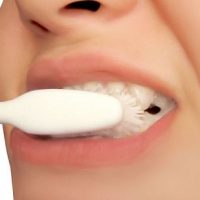
3. Micro-Filament Soft-Bristle Brushing and Sulcular Debridement (Modified Bass Technique)
Patients experiencing bleeding gums frequently make the critical clinical error of avoiding brushing or switching to hard-bristle brushes in an aggressive attempt to scrub away plaque. Hard bristles cause severe mechanical micro-lacerations and accelerate gingival recession.
Controlled dental trials demonstrate that utilizing an ultra-soft, micro-filament toothbrush with tapered nylon bristle diameters (0.01 mm) applied via the Modified Bass Technique is essential for resolving bleeding gums. The bristles must be angled at 45 degrees toward the gingival margin, gently submersing the filament tips 1 to 2 millimeters directly into the gingival sulcus. Utilizing subtle, vibratory circular motions for two minutes physically shears mature bacterial biofilms from the tooth-gum junction without inducing mechanical capillary trauma. When paired with daily interdental cleaning (flossing or interdental brushes), this mechanical protocol delivers complete biofilm disruption, the essential prerequisite for vascular recovery.
4. Topically Applied Aloe Vera Acemannan Gel (Anti-Inflammatory Fibroblast Stimulation)
Aloe vera (Aloe barbadensis Miller) inner leaf gel contains high concentrations of acemannan, a complex polymannose polysaccharide renowned in molecular dermatology and wound healing for its rapid anti-inflammatory and angiogenic properties.
Clinical periodontal trials comparing pharmaceutical chlorhexidine rinses with pure aloe vera gel applications revealed comparable reductions in plaque accumulation and gingival inflammation indices without chlorhexidine-associated tooth staining or dysgeusia. Acemannan suppresses nuclear factor kappa B (NF-κB) transcription, blunting the production of pro-inflammatory prostaglandins (PGE2) and leukotrienes within inflamed gingival tissue. Furthermore, aloe vera stimulates gingival fibroblasts to upregulate Type I collagen synthesis and promotes keratinocyte re-epithelialization across weeping, ulcerated sulcular crevices. Applying pure, food-grade aloe vera gel directly to inflamed gum margins with a clean fingertip for two minutes before rinsing provides rapid soothing relief and decreases bleeding on probing.
5. Bioactive Calcium and Casein Phosphopeptide-Amorphous Calcium Phosphate Support
Subgingival root surfaces subjected to persistent inflammatory exudates experience localized mineral depletion and cementum softening. Milk and dairy derivatives naturally provide casein phosphopeptides (CPP) bound to amorphous calcium phosphate (ACP), alongside trace immunoglobulins (IgA and IgG) and antibacterial lactoferrin.
Applying dairy-derived bioavailable calcium or consuming calcium-rich whole foods delivers critical calcium and phosphate ions directly to the tooth-gingiva interface, stabilizing mucosal basement membranes and suppressing bacterial adherence. Lactoferrin actively chelates free iron within the oral cavity, starving iron-dependent periodontal pathogens of the trace minerals necessary for enzymatic biofilm proliferation. Utilizing calcium-rich rinses or dairy-derived ACP gels reinforces sulcular tissue resilience against shear mechanical stress and bacterial invasion, synergizing with natural antimicrobial botanicals featured in our report on the therapeutic antimicrobial actions of clove water.
6. Targeted Ascorbic Acid (Vitamin C) Supplementation for Periodontal Collagen Synthesis
Gingival connective tissue exhibits one of the fastest cellular turnover rates in the human body, replacing collagen fibers within the periodontal ligament and lamina propria every few days. This rapid turnover is completely dependent upon adequate intracellular concentrations of ascorbic acid (vitamin C).
In a comprehensive systematic review and meta-analysis published in PubMed on ascorbic acid and gingival bleeding, low baseline plasma vitamin C levels were directly correlated with increased bleeding on probing, even in populations with low plaque scores. Ascorbic acid serves as an obligatory biochemical cofactor for prolyl and lysyl hydroxylase enzymes, which hydroxylate proline and lysine residues into hydroxyproline and hydroxylysine during collagen triple-helix maturation. Without sufficient vitamin C, capillary basement membranes become permeable and easily ruptured. Supplemental intake of 250 to 500 mg daily of bioavailable ascorbic acid restores plasma saturation, reinforces gingival microvascular integrity, and significantly curtails spontaneous capillary bleeding.
Clinical Action Matrix for Bleeding Gums Management
| Home Intervention | Active Compound / Mechanism | Sulcular Physiological Effect | Clinical Protocol & Evidence Grade |
|---|---|---|---|
| 1. Hypertonic Saline Rinse | Sodium chloride (0.9%–2.0% NaCl) | Osmotic interstitial fluid extraction; edema blunting; bacterial cell lysis | Grade A; 1/2 tsp salt in 8 oz warm water; swish 30 sec 2–3x daily |
| 2. Sodium Bicarbonate Buffer | Sodium bicarbonate (NaHCO3) | Alkalinizes oral pH (>7.4); neutralizes organic acids; gentle biofilm scrub | Grade B; mild slurry rinse or low-RDA dentifrice daily |
| 3. Modified Bass Brushing | Ultra-soft micro-filaments (0.01 mm) | Physical subgingival plaque shearing without microvascular mechanical trauma | Grade A (Gold Standard); 45-degree sulcular angle 2x daily |
| 4. Pure Aloe Vera Gel | Acemannan polysaccharides | Suppresses NF-κB and PGE2; stimulates fibroblast Type I collagen synthesis | Grade B; topical application to gum margins for 2 min before rinse |
| 5. Bioactive Calcium / CPP | Casein phosphopeptides & Ca2+ | Lactoferrin iron chelation; stabilizes mucosal basement membrane | Grade B; dietary calcium repletion and oral mineral rinses |
| 6. Ascorbic Acid (Vitamin C) | L-ascorbate (Ascorbic acid) | Cofactor for prolyl hydroxylase; triple-helix collagen microvascular stability | Grade A; 250–500 mg daily dietary/supplemental repletion |
Scientific Debunking: Dangerous Myths About Bleeding Gums
Pervasive dental folk remedies frequently cause severe tissue harm rather than therapeutic benefit:
- Myth 1: Brushing Harder Cleans Away the Infection: Aggressive scrubbing with medium or hard nylon bristles does not remove subgingival bacteria trapped in periodontal pockets; instead, it slices the fragile sulcular epithelium, creating painful gingival clefts, permanent gum recession, and cervical enamel wear.
- Myth 2: Undiluted Hydrogen Peroxide Heals Gum Ulcers: Swishing with concentrated 3% hydrogen peroxide without proper dilution induces chemical burns across oral mucous membranes, destroying healthy granulation tissue and delaying mucosal re-epithelialization.
- Myth 3: Avoiding Flossing Prevents Further Bleeding: Discontinuing flossing because gums bleed is the primary driver of disease progression. Bleeding occurs because stagnant interproximal biofilm is causing an open vascular wound; interdental cleaning must be maintained gently to clear the microbial trigger.
Medical Disclaimer: The information presented in this article is for educational and informational purposes only and does not constitute formal dental or medical advice. Consult a licensed dentist or periodontist if gingival bleeding persists beyond 7 to 10 days, or if you experience loose teeth, severe pain, purulent discharge, or fever, which indicate deep periodontal pocketing requiring professional ultrasonic scaling and root planing.
Frequently Asked Questions (FAQ)
How long does it take for bleeding gums to stop with proper home care?
With consistent, gentle sulcular plaque removal using the Modified Bass Technique, daily flossing, and hypertonic saline rinses, superficial gingival bleeding typically subsides within 7 to 14 days. As bacterial bioburden diminishes, sulcular neutrophils subside, endothelial junctions tighten, and healthy connective tissue regenerates. If bleeding persists beyond two weeks, professional subgingival debridement by a dental hygienist is essential.
Can subclinical vitamin C deficiency cause gums to bleed even with good brushing?
Yes. Ascorbic acid is biologically indispensable for collagen hydroxylation within periodontal capillary basement membranes. When plasma ascorbate levels drop, capillaries become structurally fragile and rupture spontaneously during chewing or routine brushing, even in the presence of minimal plaque. Restoring plasma vitamin C levels through citrus, bell peppers, broccoli, or dietary supplements rapidly stabilizes capillary integrity.
Are commercial alcohol-based mouthwashes recommended for bleeding gums?
No. High-alcohol astringent mouthwashes (often containing 20% to 26% ethanol) severely dehydrate the oral mucosa and cause cytotoxic irritation to delicate junctional epithelial cells. This chemical desiccation disrupts the protective mucosal salivary film and impairs local wound healing. Opt instead for hypertonic saline, alcohol-free antimicrobial botanical rinses, or neutral sodium bicarbonate solutions.