






Gastrointestinal digestion is a hyper-coordinated physiological process involving mechanical mastication, gastric acid proteolysis, pancreatic enzyme hydrolysis, and microbially driven fermentation across 30 feet of luminal surface area. Modern diets laden with refined sugars, hydrogenated lipids, and artificial emulsifiers induce dysbiosis, blunt migrating motor complexes (MMCs), and provoke intestinal hyperpermeability. Resolving chronic functional dyspepsia, bloating, and irregular transit times does not require synthetic stimulants; it requires targeting 7 physiological mechanisms: live-strain enterocyte inoculation, electrolyte-mediated colonic fluidics, viscous prebiotic gel fermentation, enteric smooth muscle antispasmodics, gingerol-driven prokinetic gastric emptying, beta-glucan short-chain fatty acid (SCFA) generation, and monounsaturated biliary secretion.
Gastrointestinal Science & Dietary Takeaways
- Migrating Motor Complex (MMC) Activation: Bioactive gingerols directly stimulate antral stomach contractions and accelerate pyloric sphincter relaxation, shortening gastric emptying time by up to 50%.
- Prebiotic Pectin SCFA Synthesis: Apple pectin acts as an unabsorbable complex polysaccharide that commensal anaerobic microbes ferment into butyrate, the primary cellular fuel for colonic colonocytes.
- Enteric Smooth Muscle Spasmolysis: Menthol in peppermint leaves blocks L-type calcium channels on intestinal smooth muscle cells, relieving acute spasmodic abdominal pain and functional bowel cramping.

Physiology of Gastrointestinal Transit: Motility, Mucus, and Microflora
Digestion relies on synchronized mechanical and biochemical interactions. In the stomach, parietal cells secrete hydrochloric acid (HCl) to lower gastric pH to 1.5–2.0, denaturing tertiary dietary protein structures and converting inactive pepsinogen into proteolytic pepsin.
As acidic chyme enters the duodenum, enteroendocrine S-cells release secretin, prompting pancreatic ductal cells to flood the lumen with bicarbonate ions (HCO3−) to neutralize stomach acid. Concurrently, duodenal I-cells secrete cholecystokinin (CCK) in response to dietary lipids and amino acids, stimulating gallbladder contractions and pancreatic acinar enzyme secretion (amylases, lipases, and proteases). Disruptions in this cascade produce malabsorption, postprandial distress, and obstinate constipation, as evaluated in our clinical management guide on natural home remedies for chronic constipation.
According to clinical gastroenterology reviews in PubMed Central, matching distinct functional dietary fiber fractions (soluble viscous vs. insoluble non-viscous) to individual motility patterns is essential for resolving functional gut disorders.
“Optimal digestive health is not merely about bowel transit frequency; it reflects mucosal barrier integrity, adequate endogenous enzyme secretion, and balanced microbial fermentation kinetics across the entire digestive tract.”
7 Clinically Validated Foods to Optimize Human Digestion
Incorporating specific whole foods with established prokinetic, prebiotic, and antispasmodic properties restores gastrointestinal homeostasis:
1. Live-Culture Probiotic Yogurt and Kefir
Cultured dairy foods—principally plain unsweetened yogurt and fermented kefir—serve as delivery vehicles for resilient probiotic genera, including Lactobacillus, Bifidobacterium, and Streptococcus. During fermentation, these bacteria synthesize endogenous beta-galactosidase, which breaks down milk sugar into absorbable glucose and galactose, rendering yogurt highly digestible even for lactase-deficient individuals.
Within the colon, viable probiotic strains adhere to mucosal epithelial receptors, synthesizing lactic acid and acetic acid to maintain a mildly acidic luminal pH (~5.5–6.5). This acidity suppresses pathobionts (such as Clostridioides difficile and Enterobacteriaceae) while fortifying enterocyte tight junction proteins (ZO-1 and occludin). Regularly consuming live-culture fermented dairy eases clinical symptoms of irritable bowel syndrome (IBS), including gas, bloating, and diarrhea.
2. Resistant Starch and Potassium-Rich Bananas
Bananas represent a foundational functional food for gastrointestinal rehabilitation, long celebrated as a core component of the clinical BRAT diet. Their digestive benefit depends heavily on their stage of ripeness: slightly green or unripe bananas are exceptionally concentrated in Type-2 resistant starch (RS2), a carbohydrate structure that resists enzymatic amylase hydrolysis in the small intestine.
Upon reaching the cecum and ascending colon, resistant starch undergoes anaerobic fermentation by saccharolytic bacteria, driving prolific synthesis of butyric acid. Butyrate feeds colonocyte mitochondria, inhibits mucosal inflammation, and stimulates sodium and water reabsorption in acute diarrheal illnesses. Furthermore, bananas are naturally rich in potassium (~400 mg per medium fruit), replenishing intracellular electrolytes depleted during gastrointestinal bouts and restoring proper smooth muscle peristaltic rhythm.
3. Apple Pectin and Soluble Colon Gel Formation
Apples are an exceptional dietary source of pectin, a complex structural heteropolysaccharide found within plant primary cell walls. In the aqueous environment of the gastric and intestinal lumen, soluble pectin hydrates to form a thick, viscous colloidal hydrogel.
This pectin gel exerts a dual regulatory action: In individuals experiencing liquid or diarrheal stools, pectin absorbs excess free water, increasing fecal viscosity and delaying transit time for optimal fluid reabsorption. Conversely, in individuals struggling with hard, desiccated stools, pectin lubricates the colon wall, increases fecal microbial mass, and facilitates effortless evacuation, consistent with dietary fiber guidelines from the Mayo Clinic. In the distal bowel, pectin oligosaccharides stimulate the growth of beneficial Bifidobacterium and Faecalibacterium prausnitzii. Consuming whole unpeeled apples ensures maximum intake of dietary pectin and antioxidant quercetin.
4. Peppermint Menthol and Enteric Smooth Muscle Spasmolysis
Peppermint (Mentha piperita) has been utilized for centuries as a potent carminative and digestive aid. Its primary bioactive volatile monoterpene, L-menthol, possesses unique, clinically proven pharmacodynamic actions on the gastrointestinal tract.
Menthol functions as a natural L-type voltage-gated calcium channel antagonist within enteric circular and longitudinal smooth muscle cells. By blocking extracellular calcium influx, menthol exerts an immediate spasmolytic effect, reducing painful spasms across the lower esophageal sphincter, pylorus, and colon. Randomized double-blind clinical trials confirm that enteric-coated peppermint oil or steeped whole peppermint tea provides substantial symptom relief in functional dyspepsia and IBS cramping. Individuals with severe gastroesophageal reflux disease (GERD) should avoid peppermint, as lower esophageal sphincter relaxation can exacerbate acid regurgitation, a condition addressed in our protocol on quick home remedies for indigestion and heartburn.
5. Ginger Gingerols and Prokinetic Gastric Emptying
Fresh ginger root (Zingiber officinale) contains non-volatile phenolic compounds known as [6]-gingerol, [8]-gingerol, [10]-gingerol, and shogaols. These molecules serve as powerful prokinetic agents that coordinate upper gastrointestinal motor activity.
Pharmacological research demonstrates that gingerols act as competitive antagonists at peripheral serotonergic 5-HT3 and cholinergic M3 receptors in the gut and solitary tract nucleus. By blocking 5-HT3 signaling, ginger halts central and peripheral emetic reflexes, relieving nausea, morning sickness, and motion sickness. Simultaneously, as documented in pharmacological trials indexed in the National Library of Medicine (NLM), ginger stimulates antral gastric contractions and accelerates pyloric opening, cutting normal gastric emptying time in half. Steeping 1 to 2 grams of freshly grated ginger in hot water 20 minutes before meals stimulates salivary, gastric, and pancreatic enzyme output.
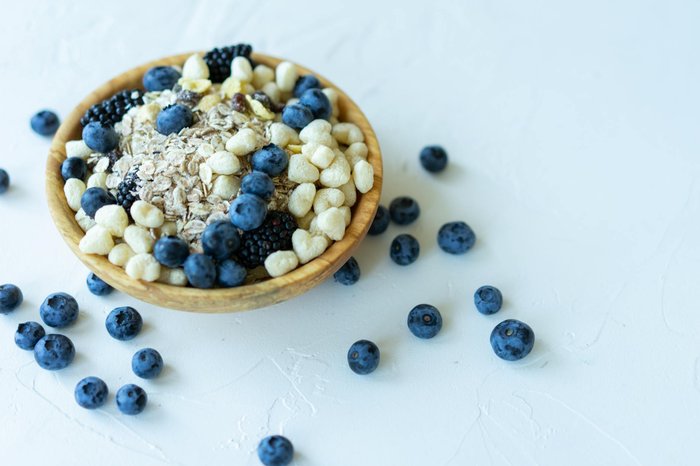
6. Whole Oats and Beta-Glucan Soluble Viscous Gel
Whole rolled and steel-cut oats (Avena sativa) are the premier dietary vehicle for (1,3)(1,4)-beta-D-glucan, a linear soluble hemicellulose fiber. Unlike insoluble wheat bran, which mechanically irritates inflamed intestinal mucosa, oat beta-glucan dissolves in gastrointestinal fluids to form an inert, highly viscous macro-molecular gel.
This viscous gel coats the gastric mucosa, buffering mucosal linings against harsh hydrochloric acid while slowing the absorption of luminal sugars and cholesterol micelles. In the colon, beta-glucan is rapidly and completely fermented by beneficial microbiota, yielding high concentrations of acetate and propionate that lower luminal pH and suppress pathogenic enzymatic activity (e.g., beta-glucuronidase). Starting the day with whole oatmeal provides steady satiety, normalizes stool frequency, and protects against inflammatory bowel flare-ups.
7. Avocados and Monounsaturated Lipids for Biliary Flow
Avocados (Persea americana) are a uniquely dense fruit, delivering roughly 10 grams of dietary fiber per single medium fruit alongside high concentrations of heart-healthy monounsaturated fatty acids (principally oleic acid, 18:1 cis-9).
Unlike long-chain saturated animal fats that require heavy enzymatic emulsification and delay gastric transit, monounsaturated plant lipids trigger smooth, physiologic release of duodenal cholecystokinin (CCK). CCK stimulates controlled gallbladder contraction, ensuring continuous bile acid flow to emulsify dietary fat-soluble vitamins (A, D, E, and K) and stimulate pancreatic lipase. Furthermore, over 70% of the fiber in avocado is insoluble, providing gentle structural bulk that accelerates colonic transit without precipitating painful bloating, as reviewed in our clinical guide on soothing home remedies for an upset stomach.
Gastrointestinal Action Matrix: 7 Digestive Foods Compared
| Digestive Food | Key Bioactive / Fiber Type | Primary Physiological Mechanism | Clinical Indication & Target Symptom |
|---|---|---|---|
| 1. Probiotic Yogurt | Live Lactobacillus / Bifidobacterium | Endogenous lactase production; mucosal tight junction up-regulation; SCFA synthesis | Post-antibiotic dysbiosis, IBS bloating, mild lactose maldigestion |
| 2. Green / Ripe Bananas | Resistant Starch (RS2), Potassium (~400 mg) | Cecal butyrate generation; water and sodium reabsorption in the colon | Acute diarrhea recovery, electrolyte depletion, mucosal colitis |
| 3. Whole Apples | Soluble Pectin, Quercetin Polysaccharides | Viscous hydrogel formation; stool water normalization; colon microflora fuel | Stool inconsistency (alternating diarrhea/constipation), gut inflammation |
| 4. Peppermint Tea | L-Menthol (Volatile Monoterpene) | L-type calcium channel antagonism; enteric circular smooth muscle relaxation | Intestinal cramping, postprandial gas pain, spastic colon distress |
| 5. Fresh Ginger Root | [6]-Gingerol, [6]-Shogaol | Serotonergic 5-HT3 antagonism; accelerates gastric emptying and motility | Gastroparesis, early satiety, motion sickness, morning sickness |
| 6. Whole Oats | (1,3)(1,4)-Beta-D-Glucan | High-viscosity mucilaginous barrier; sustained acetate/propionate fermentation | Chronic sluggish transit, irritable mucosal linings, hypercholesterolemia |
| 7. Fresh Avocado | Oleic Acid (MUFA), Insoluble Fiber Bulk | CCK release stimulation; healthy gallbladder bile flow; colonic bulk propulsion | Poor fat-soluble nutrient absorption, hard dry stools, biliary sluggishness |
Clinical Safety Guidelines and Red Flags for Digestive Distress
While functional whole foods offer remarkable long-term support for everyday digestive comfort, acute or persistent gastrointestinal symptoms may signify underlying pathology requiring medical evaluation:
- Alarm Symptoms (Red Flags): Involuntary rapid weight loss, recurrent vomiting, iron deficiency anemia, gastrointestinal bleeding (hematemesis, melena, or bright red rectal bleeding), or nighttime waking due to abdominal pain or diarrhea require urgent gastroenterological referral.
- Peppermint Contraindication in Reflux: Because menthol relaxes smooth muscle tone, it can reduce lower esophageal sphincter (LES) resting pressure. Patients suffering from active GERD, hiatal hernia, or Barrett’s esophagus should avoid concentrated peppermint, as it can trigger severe acid reflux.
- Fiber Titration Principle: Individuals shifting abruptly from a low-fiber Western diet to a high-fiber intake should increase daily fiber gradually over 2 to 3 weeks while concurrently scaling up oral water intake. Rapid fiber spikes without adequate hydration can cause acute gaseous distension, abdominal cramping, and paradoxical fecal impaction.
Disclaimer: This article is for informational purposes only and is not intended as medical advice. Always consult with a qualified healthcare professional before making changes to your health regimen.
Frequently Asked Questions (FAQ)
Is raw ginger or ginger tea better for treating acute nausea and bloating?
Both are effective, but warm ginger tea made from freshly grated root is optimal for rapid relief. Steeping raw ginger in hot water extracts hydrophilic gingerols and aromatic oils without irritating the gastric mucosa, while the warm liquid facilitates smooth gastric peristalsis.
Why do raw apples sometimes cause bloating in individuals with IBS?
Apples are rich in fermentable short-chain carbohydrates (specifically free fructose and sorbitol), categorizing them as a high-FODMAP food. In individuals with intestinal dysbiosis or small intestinal bacterial overgrowth (SIBO), rapid bacterial fermentation of these polyols draws excess water and generates rapid hydrogen/methane gas, causing distension. In such cases, stewed peeled apples are often far better tolerated.
How much daily fiber is ideal for maintaining healthy bowel regularity?
Clinical nutrition guidelines recommend 25 to 30 grams of total dietary fiber daily for adult women and 30 to 38 grams daily for adult men. This should be evenly divided between soluble viscous fiber (such as oats, apples, and psyllium) and insoluble bulk-forming fiber (such as vegetables, bran, and avocados).
Can eating bananas cause constipation?
It depends on the ripeness. Unripe green bananas contain high concentrations of resistant starch and astringent tannins, which slow intestinal transit and can worsen constipation if fluid intake is low. In contrast, fully ripe yellow bananas with brown speckles have converted their starch into simple sugars and soluble fiber, which actively support regular bowel movements.