With their buttery texture, mild earthy flavor, and rich green hue, avocados are one of the most uniquely satisfying staples in the kitchen. Unlike nearly all other fruits that store calories as natural fruit sugars, the avocado stands out by delivering its energy primarily through wholesome, heart-nourishing fats and dietary fiber. Sliced over morning toast, folded into summer salads, or blended into smoothies, this creamy fruit bridges everyday culinary pleasure with evidence-backed nourishment.
Quick Highlights
- Heart Health: Oleic acid and plant sterols support healthy cholesterol balance and vascular flexibility.
- Digestive Satiety: Generous dietary fiber feeds beneficial gut microbes while keeping you comfortably full between meals.
- Nutrient Synergy: Creamy healthy lipids dramatically boost the absorption of fat-soluble vitamins from colorful vegetables.
- Essential Minerals: Impressive potassium and magnesium levels help sustain balanced blood pressure and steady daily energy.
According to standard nutritional data from the United States Department of Agriculture (USDA), a medium California avocado (about 150 grams of edible flesh) provides roughly 240 calories, 22 grams of wholesome fats, nearly 10 grams of dietary fiber, and under 3 grams of net carbohydrates. The vast majority of its lipid profile is heart-protective oleic acid, paired with generous potassium, folate, vitamin K, and vitamin E.
1. Abundant Monounsaturated Fats for Heart Wellness
The defining nutritional strength of the avocado is its high concentration of monounsaturated fatty acids, predominantly oleic acid. Think of these healthy fats like smooth lubricating oil for your circulatory system: they help keep blood vessels supple while supporting a healthy ratio between HDL and LDL particles. According to the Harvard T.H. Chan School of Public Health, swapping saturated fats like butter or processed spreads for avocados is linked to a meaningfully lower risk of cardiovascular disease. Natural plant sterols in the fruit also compete with dietary cholesterol in the gut, helping your body maintain steady lipid balance.
2. Generous Dietary Fiber for Satiety and Gut Balance
Avocados are among the richest fruit sources of dietary fiber, supplying between 7 and 10 grams per fruit. Roughly 70 percent is insoluble fiber, which adds gentle bulk to stool and promotes effortless digestion, while the remaining 30 percent is soluble fiber. Inside the stomach, soluble fiber acts like a soft kitchen sponge, absorbing water to slow gastric emptying and prevent sudden blood sugar spikes. In your colon, beneficial bacteria ferment these fibers into nourishing short-chain fatty acids that support a resilient gut barrier and keep you comfortably full for hours.
3. Natural Potassium to Support Healthy Blood Pressure
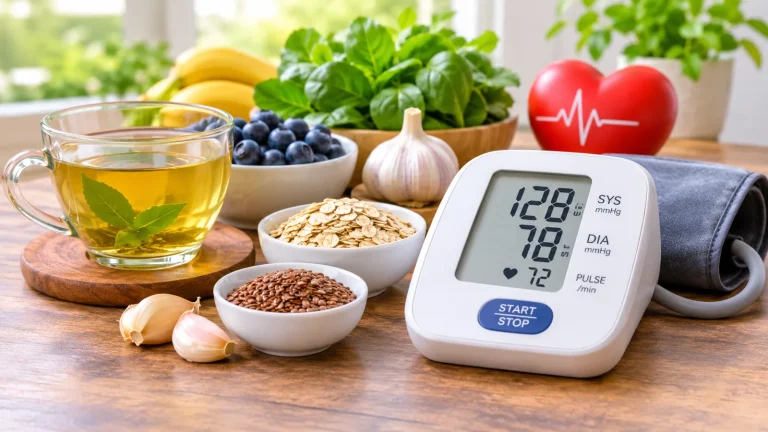
While bananas often get all the credit for potassium, half a medium avocado actually matches or exceeds the potassium of a whole banana, delivering around 700 milligrams per fruit. Potassium is a crucial mineral that acts as nature’s counterweight to sodium. When modern diets introduce excess salt, blood vessels experience higher fluid tension. Dietary potassium signals your kidneys to flush out surplus sodium through urination while prompting the smooth muscular walls of your arteries to relax, maintaining gentle circulatory balance and steady blood pressure.
4. Unlocking Greater Fat-Soluble Nutrient Absorption
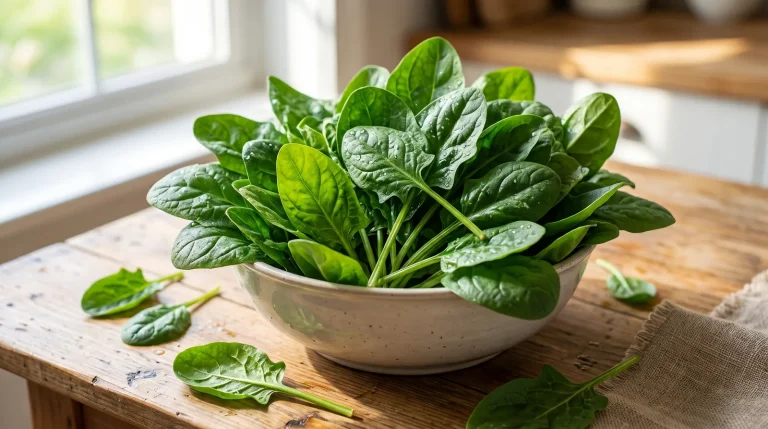
One of the avocado’s greatest gifts is how it multiplies the nourishment of foods served alongside it. Key protective plant compounds—including beta-carotene in carrots, lutein in spinach, and lycopene in juicy ripe tomatoes—are fat-soluble. Without dietary lipids to package these nutrients into absorbable droplets called micelles, much of them pass through the digestive tract unabsorbed. Adding avocado slices to salads can increase carotenoid uptake several-fold. Seasoning your greens with freshly cracked black pepper further complements this natural synergy by gently stimulating digestive enzyme activity.
5. Plant-Based Lutein and Zeaxanthin for Eye Defense
Your eyes face constant exposure to outdoor sunlight and digital display screens. Avocados are rich in two yellow-pigmented carotenoids known as lutein and zeaxanthin, which naturally accumulate in the macula of the retina. These compounds function like internal sunglasses, filtering harsh high-energy blue wavelengths before they reach delicate photoreceptor cells. Because avocados deliver these protective carotenoids within their own naturally occurring healthy fats, your digestive tract absorbs and utilizes them far more efficiently than it would from dry carotenoid supplements.
6. Nourishing Antioxidants and Vitamin E for Skin Elasticity
True skin radiance begins with the dietary lipids you consume. Avocados supply a potent pairing of monounsaturated fatty acids and natural vitamin E, a lipid-soluble antioxidant that shields cellular membranes from oxidative wear caused by ultraviolet light and environmental stress. A comprehensive scientific review of Hass avocado composition highlights how these bioactive fats and antioxidants help soothe tissue irritation and reinforce the skin’s moisture barrier, locking in natural hydration and supporting lasting elasticity.
Simple Kitchen Pairings & Quick Recipe
Adding avocado to your weekly routine is effortless. Its mild, velvety flesh pairs naturally with zesty citrus and savory aromatics. Fresh lime juice balances the fruit’s richness while natural citric acid slows browning. Folding in a clove of fresh crushed garlic brings comforting depth and beneficial plant compounds to simple dips.
Creamy Avocado & Tomato Citrus Mash
This vibrant, five-minute kitchen spread pairs healthy monounsaturated fats with antioxidant-rich produce for maximum flavor and nutrient uptake.
- What You Need: 1 ripe medium avocado, 1/2 cup diced cherry tomatoes, 1 small clove minced garlic, 1 tablespoon fresh lime juice, 1 teaspoon extra virgin olive oil, a pinch of sea salt, and freshly cracked black pepper.
- How to Make It: Slice the avocado lengthwise, remove the pit, and scoop the flesh into a shallow bowl. Mash gently with a fork to your desired texture. Fold in the tomatoes, garlic, lime juice, and olive oil. Season with salt and pepper, and spoon generously over whole-grain toast or alongside crisp vegetables.
Things to Know & Common Questions
Because avocados are calorie-dense, mindful portions help you enjoy their full benefits without excess energy intake. For most adults, half an avocado (roughly 75 to 80 grams) makes a generous daily serving, providing about 120 calories, 5 grams of fiber, and 11 grams of healthy fats to promote lasting satiety.
To keep an unused avocado half from turning brown in the refrigerator, leave the seed intact, brush the cut surface lightly with lemon juice or olive oil, and press parchment wrap directly against the flesh before chilling in an airtight container.
Does eating avocado cause weight gain?
Avocados do not cause weight gain when enjoyed as part of a balanced diet. Their rich combination of dietary fiber and monounsaturated fats provides deep, lasting satiety that curbs mindless snacking between meals. Swapping high-saturated-fat condiments like mayonnaise or heavy dressings for avocado is an effective way to support healthy weight management.
How can you tell when an avocado is ripe?
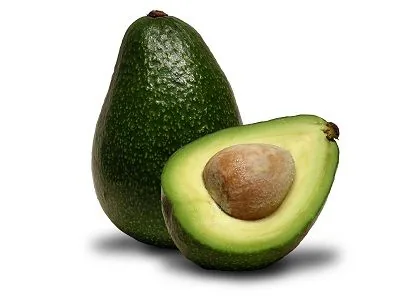
Hold the fruit in the palm of your hand and gently squeeze using the flats of your fingers. A ripe avocado yields slightly to gentle pressure without feeling soft or mushy. You can also flick off the tiny stem cap: if the patch underneath is bright green, the fruit is ready to eat; if it looks brown, it is overripe.
Can you freeze ripe avocados?
Yes, ripe avocados can be frozen for up to three months. Because freezing softens their texture, thawed avocado works best in smoothies, salad dressings, and chilled soups. Peel, pit, and cut the flesh into cubes, toss with a little fresh lemon juice to prevent discoloration, and seal tightly in a freezer bag with all air removed.