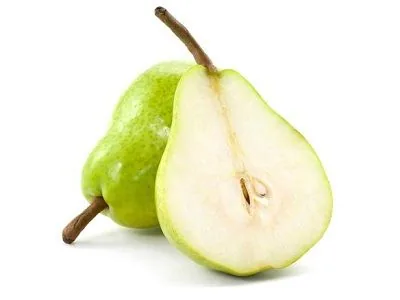
Pears (genus Pyrus, predominantly Pyrus communis) are among the most physiologically balanced pome fruits, offering an unmatched combination of exceptional fiber density (over 6 grams per medium fruit) and a remarkably low glycemic index of 38. Pears are celebrated in clinical nutrition for their rich concentrations of soluble prebiotic pectin, copper, and bioactive polyphenolic flavonoids (including arbutin, epicatechin, and anthocyanins). Their unique biochemical composition yields extensive clinical benefits: nourishing colonic microflora through short-chain fatty acid (SCFA) synthesis, blunting postprandial glucose excursions, neutralizing free radical oxidative stress, enhancing endothelial nitric oxide vasodilation, promoting leptin-mediated satiety, and supporting skeletal bone mineralization via trace boron retention.
Metabolic Nutrition & Core Health Takeaways
- Fiber Supremacy: A single medium pear supplies 22% of the adult Daily Value of dietary fiber, with nearly 70% concentrated in the peel as insoluble cellulose and 30% as soluble viscous pectin.
- Metabolic Incretin Modulation: Pears contain powerful anthocyanin and flavonol antioxidants that inhibit intestinal alpha-glucosidase and alpha-amylase enzymes, slowing carbohydrate breakdown into the bloodstream.
- Hypoallergenic Digestibility: Pears possess the lowest known allergenicity profile among temperate fruits, rendering them an ideal first whole food for infants and individuals with heightened histamine or food sensitivities.
Nutritional Composition: The Power of Pome Fiber and Phenolics
From a macroscopic perspective, an average medium European pear (approximately 178 grams) delivers approximately 101 calories, zero dietary fat, and 27 grams of total carbohydrate. Crucially, 6 grams of that carbohydrate consists of non-digestible dietary fiber, producing a low net-carb impact and a minimal glycemic load.
In a landmark systematic review published in Nutrition Today on pears and health outcomes, regular whole pear consumption was directly associated with lower body weight, improved gut microbiome diversity, and reduced cardiovascular mortality. Just as with its pome relative examined in our comprehensive analysis of the scientific health benefits of apples, the therapeutic value of the pear relies heavily on consuming the intact peel, where the majority of polyphenolic antioxidants reside.
“The unique matrix of soluble pectin, insoluble stone cells, and chlorogenic acid within whole pears slows carbohydrate transit, fosters colonic butyrate production, and stabilizes cardiovascular endothelium without provoking metabolic surges.”
6 Science-Backed Health Benefits of Pears
Extensive clinical and metabolic investigations demonstrate the following physiological advantages of incorporating whole pears into everyday nutrition:
1. Soluble Pectin Fiber and Colonic Short-Chain Fatty Acid (SCFA) Fermentation
The human upper digestive tract lacks the endo-pectinases required to cleave complex polygalacturonic acid chains. Consequently, pear pectin traverses the stomach and duodenum intact, entering the cecum and ascending colon as a pristine prebiotic substrate.
Colonic anaerobic commensals (especially Bifidobacterium species and Faecalibacterium prausnitzii) vigorously ferment soluble pectin into short-chain fatty acids: primarily acetate, propionate, and butyrate. Butyrate serves as the primary metabolic fuel for colonic colonocytes, reinforcing tight junction claudin proteins and reducing intestinal permeability (leaky gut). In addition, unfermented pectin binds excess dietary cholesterol and secondary bile acids in the distal ileum, carrying them into the stool and forcing the liver to consume circulating LDL cholesterol for de novo bile acid synthesis, optimizing total lipid profiles as examined in our guide on fiber-forward digestive wellness.
2. Postprandial Glycemic Regulation and Diabetes Protection
Despite their delectable natural sweetness, pears possess an exceptionally low glycemic index (GI = 38) and glycemic load (GL = 4), making them an optimal fruit choice for patients with prediabetes or Type 2 diabetes mellitus.
This remarkable glycemic blunting is driven by two distinct biochemical mechanisms: first, pear pectin forms a viscous unstirred hydrogel layer across the brush border of enterocytes, physically impeding glucose diffusion into systemic circulation. Second, pears are rich in flavonol glycosides (quercetin, isorhamnetin) and chlorogenic acid, which competitively inhibit intestinal alpha-glucosidase and pancreatic alpha-amylase. In prospective epidemiological studies conducted by the Harvard T.H. Chan School of Public Health tracking over 200,000 participants, consumption of whole pears and apples was associated with a 23% reduction in the relative risk of developing Type 2 diabetes, reinforcing strategies detailed in our protocol on essential tips for steady blood sugar control.
3. Bioactive Flavonoids and Cellular Free-Radical Scavenging
Oxidative stress triggered by mitochondrial respiration, UV exposure, and dietary toxins inflicts cumulative oxidative damage on genomic DNA, membrane polyunsaturated fatty acids, and cellular proteins.
Pears synthesize an array of protective phenolic metabolites, concentrated largely in the epidermis. Key phytochemicals include arbutin, epicatechin, catechin, and anthocyanins (the latter imparting the deep red hue to varieties like Red Anjou and Starkrimson). These polyphenols donate phenolic hydrogen atoms to neutralize superoxide, peroxyl, and hydroxyl free radicals, terminating lipid peroxidation chain reactions. Laboratory investigations demonstrate that pear peel extracts significantly suppress pro-inflammatory cyclooxygenase (COX-2) and inducible nitric oxide synthase (iNOS) expression, mitigating localized tissue inflammatory cascades.
4. Endothelial Vasodilation and Systemic Blood Pressure Moderation
Essential hypertension and vascular stiffness are driven by chronic endothelial nitric oxide (NO) depletion, increased vascular smooth muscle tone, and excessive dietary sodium-to-potassium ratios.
A single medium pear delivers approximately 206 milligrams of elemental potassium alongside minimal sodium (less than 1 mg). Potassium activates vascular smooth muscle Na+/K+-ATPase pumps, promoting cellular hyperpolarization and relaxation of arterial walls. Furthermore, the quercetin and procyanidin oligomers in pears stimulate endothelial nitric oxide synthase (eNOS), increasing basal NO release. This microvascular dilation eases peripheral resistance and reduces systolic blood pressure, working in harmony with dietary modifications designed to optimize long-term cardiovascular performance.
5. Satiety Signaling and Adiposity Regulation via Gastric Distension
Dietary protocols aimed at sustainable fat loss frequently fail due to intense hunger signals triggered by the gastric orexigenic peptide ghrelin when stomach volume empties rapidly.
Pears exhibit one of the highest water-to-calorie ratios among whole fruits (approximately 84% water by weight) paired with dense insoluble stone cells (sclereids). When consumed whole, the combination of high water volume, crunchy cellulose scaffolding, and viscous soluble pectin promotes extensive gastric mechanoreceptor distension. This distension suppresses ghrelin secretion while stimulating the release of anorexigenic satiety peptides: cholecystokinin (CCK) and peptide YY (PYY) from enteroendocrine cells. Clinical feeding trials demonstrated that overweight women who consumed three small pears daily as a snack lost significantly more body fat over a 12-week intervention than an isocaloric control group receiving oat-based snacks.
6. Trace Boron Density and Skeletal Bone Mineral Homeostasis
Bone microarchitecture undergoes continuous remodeling governed by osteoclasts and osteoblasts, heavily reliant upon systemic calcium, magnesium, and vitamin D balance.
Pears are one of nature’s richest whole-food dietary sources of the trace metalloid boron. Boron is an essential micronutrient that plays a critical role in bone metabolism by reducing urinary excretion of both calcium and magnesium. Boron prolongs the biological half-life and serum concentrations of 17β-estradiol and 1,25-dihydroxyvitamin D3—the active hormone responsible for intestinal calcium transport. Regular consumption of boron-rich pome fruits like pears supports bone mineral retention and helps preserve trabecular bone mass throughout the aging process.
Metabolic & Nutritional Action Matrix
| Constituent / Factor | Biochemical Mechanism | Target Organ / System | Clinical Benefit & Evidence Grade |
|---|---|---|---|
| 1. Prebiotic Pectin Fiber | Fermented into butyrate/propionate; binds distal secondary bile acids | Colonic mucosa & liver | Grade A; reinforces epithelial barrier; lowers circulating LDL |
| 2. Low-GI Polyphenols | Inhibits alpha-glucosidase & alpha-amylase; slows glucose diffusion | Small intestinal brush border | Grade A; GI = 38; prevents acute postprandial glucose spikes |
| 3. Epidermal Flavonoids | Arbutin and anthocyanins donate phenolic H-atoms; blunts iNOS | Systemic vascular tissues | Grade B; scavenges free radicals; protects genomic DNA |
| 4. Potassium & Quercetin | Activates eNOS; promotes vascular smooth muscle hyperpolarization | Arterial microvasculature | Grade B; reduces peripheral resistance & systolic pressure |
| 5. High Water-Fiber Bulk | Mechanoreceptor stretch; downregulates ghrelin; elevates PYY | Gastric antrum & hypothalamus | Grade A; enhances satiety; supports caloric deficit maintenance |
| 6. Trace Element Boron | Spares 1,25(OH)2D3; reduces urinary Ca2+ and Mg2+ loss | Renal tubules & bone matrix | Grade B; preserves bone mineral density and matrix integrity |
Culinary Preparation and FODMAP Considerations
To extract the maximal therapeutic payload from whole pears while maintaining gastrointestinal comfort, consider the following nutritional guidance:
- Never Peel the Pear: The peel contains up to six times more polyphenolic flavonoids (including all anthocyanins in red varieties) and over half of the total dietary fiber. Peeling a pear eliminates the majority of its antioxidant and glycemic-blunting properties. Wash thoroughly under cold water with gentle friction before eating.
- FODMAP Awareness for IBS: Pears naturally contain an excess of free fructose relative to glucose, alongside significant amounts of the sugar alcohol sorbitol. In individuals with irritable bowel syndrome (IBS) or visceral hypersensitivity, these fermentable carbohydrates can draw excess water into the small bowel and undergo rapid colonic gas fermentation, triggering bloating. Those with diagnosed IBS should limit intake to one-third or one-half of a pear at a time.
Disclaimer: This article is for informational purposes only and is not intended as medical advice. Always consult with a qualified healthcare professional before making changes to your health regimen.
Frequently Asked Questions (FAQ)
Do Asian pears provide the same nutritional benefits as European pears?
Yes. Asian pears (Pyrus pyrifolia) share a nearly identical macronutrient profile, offering an exceptionally crisp, water-dense texture (roughly 88% water) and approximately 4 to 5 grams of dietary fiber per fruit. While European pears soften during ripening, Asian pears maintain a crisp crunch due to high concentrations of lignin stone cells, which excel at mechanical fecal bulking.
Are pears safe for people with histamine intolerance?
Yes. Pears are widely recognized in clinical allergology as one of the lowest-histamine and least-allergenic whole foods available. They do not contain endogenous histamine, nor do they trigger substantial mast cell degranulation. For this reason, peeled or stewed pears are universally included in pediatric hypoallergenic elimination diets.
Can eating pears cause bloating or gas?
In individuals with sensitivity to fermentable carbohydrates (FODMAPs), the natural sorbitol and free fructose in pears can cause mild bloating or gas if eaten in large quantities. Chewing thoroughly, starting with smaller portions, and avoiding pairing pears with high-sugar desserts minimizes microbial fermentation symptoms.