




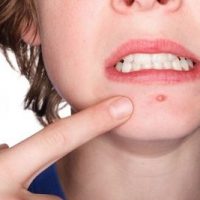
Acne vulgaris is far more than a superficial aesthetic inconvenience; in clinical dermatology, it represents a multifactorial inflammatory disease of the pilosebaceous unit. Affecting over 85% of adolescents and a rapidly growing demographic of adult women, acne pathogenesis is governed by a precise biological tetrad: abnormal follicular hyperkeratinization, hyperactive sebaceous lipogenesis driven by androgens, overcolonization by phylotype-specific Cutibacterium acnes biofilms, and intense localized innate immune activation via toll-like receptors (TLR-2). While social media platforms proliferate hazardous, barrier-stripping DIY hacks, evidence-based dermatological science reveals that 6 specific, naturally derived topical solutions—including pharmaceutical-grade tea tree oil, medical-grade honey, elemental zinc, green tea polyphenols, diluted organic acids, and niacinamide—can effectively soothe inflammatory acne lesions when formulated within strict physiological pH limits.
Dermatological Science & Dermal Barrier Action Points
- The Acid Mantle Gold Standard: Facial skin maintains an acidic physiological pH between 4.5 and 5.5. Applying alkaline substances like baking soda (pH 9.0) destroys the lipid barrier and accelerates bacterial colonization.
- The Terpinen-4-ol Mechanism: Standardized 5% tea tree oil disrupts Cutibacterium acnes bacterial cell membranes with clinical efficacy matching 5% benzoyl peroxide, but with significantly fewer scaling side effects.
- The Anti-Sebum Polyphenol: Epigallocatechin gallate (EGCG) from topical green tea suppresses sterol regulatory element-binding protein-1 (SREBP-1), reducing sebaceous gland oil output by up to 50%.

Pathophysiology of Acne: The Pilosebaceous Micro-Environment
The human face contains the highest density of sebaceous glands on the body. Under the influence of circulating androgens—specifically dihydrotestosterone (DHT) synthesized locally by cutaneous 5α-reductase—sebocytes undergo accelerated proliferation, secreting an excess of viscous sebum enriched in squalene and wax esters.
Simultaneously, corneocytes lining the follicular infundibulum fail to desquamate normally due to abnormal transglutaminase cross-linking, producing an invisible obstructive plug known as a microcomedo. Trapped behind this lipid plug, anaerobic Cutibacterium acnes bacteria ferment sebum triglycerides into inflammatory free fatty acids, activating Toll-Like Receptor 2 (TLR-2) on surrounding keratinocytes and macrophages. This triggers an intracellular NF-κB cascade, releasing pro-inflammatory cytokines (IL-1α, IL-8, TNF-α) and matrix metalloproteinases that rupture the follicular wall, transforming a closed pore into an erythematous papule, pustule, or nodular cyst.
According to clinical dermatology reviews indexed by the Journal of the American Academy of Dermatology (JAAD) / NCBI, preserving the stratum corneum’s intercellular ceramide-cholesterol matrix is essential to preventing secondary barrier breakdown and post-inflammatory hyperpigmentation (PIH). To review broader skin barrier restoration fundamentals, explore our evidence-based guide on dermatological rules for cellular skin radiance.
“Effective topical acne resolution requires simultaneously mitigating follicular hyperkeratinization, curbing androgen-driven sebaceous lipogenesis, and subduing Cutibacterium acnes colonization without disrupting the acidic dermal mantle (pH 4.5–5.5).”
6 Evidence-Based Topical Home Remedies for Acne
Integrative dermatology confirms that utilizing the following six bio-compatible topical agents delivers targeted antimicrobial, anti-inflammatory, and sebum-regulating activity:
1. Pharmaceutical-Grade Tea Tree Oil (*Melaleuca alternifolia*, 5% Dilution)
Derived from the leaves of the Australian tea tree, tea tree oil is an essential botanical extract containing over 100 volatile terpene compounds, dominated by terpinen-4-ol (at least 30% to 40%). Terpinen-4-ol possesses strong lipophilic properties, allowing it to penetrate through sebum-filled follicular canals directly to the site of infection.
Once inside the pilosebaceous unit, terpinen-4-ol integrates into the lipid bilayer of Cutibacterium acnes bacterial cell membranes, altering membrane permeability, causing vital intracellular potassium (K+) leakage, and arresting microbial cellular respiration. In landmark double-blind randomized clinical trials published in the Medical Journal of Australia / NCBI, topical 5% tea tree oil gel demonstrated clinical efficacy comparable to 5% benzoyl peroxide lotion in reducing inflammatory and non-inflammatory acne lesion counts, but produced significantly less cutaneous erythema, peeling, stinging, and xerosis. Crucial safety rule: Never apply 100% undiluted tea tree oil directly to facial skin; always dilute it to 5% in a non-comedogenic carrier oil (such as jojoba oil) or a neutral hydrating gel.
2. Medical-Grade Honey (Manuka MGO & Osmotic Biofilm Disruption)
Standard commercial honey is often heat-pasteurized and stripped of enzymatic potency. In contrast, medical-grade honey (specifically Manuka honey, derived from *Leptospermum scoparium*) contains high concentrations of methylglyoxal (MGO) alongside enzymatically generated low-dose hydrogen peroxide.
Manuka honey exerts its antibacterial effects through dual mechanisms: an intense osmotic gradient (low water activity, aw ≈ 0.6) that draws moisture out of bacterial cells, and MGO-mediated cross-linking of bacterial structural proteins. Unlike harsh synthetic drying agents, medical-grade honey provides a moist, anti-inflammatory wound-healing microenvironment that suppresses pro-inflammatory macrophage cascades, accelerating epidermal re-epithelialization and drastically reducing the incidence of post-inflammatory erythema (PIE). Apply raw, high-UMF (UMF 15+ / MGO 500+) Manuka honey as a 20-minute spot mask over inflamed lesions.
3. Elemental and Topical Zinc Formulations (Zinc PCA & Zinc Gluconate)
Zinc is an indispensable trace mineral cofactor for DNA polymerase, alkaline phosphatase, and superoxide dismutase. In cutaneous dermatology, topical zinc complexes—particularly Zinc PCA (pyrrolidone carboxylic acid) and zinc gluconate—exert potent anti-acne effects.
Topical zinc acts as a direct, non-hormonal inhibitor of cutaneous 5α-reductase, blunting the intra-follicular conversion of testosterone to DHT and thereby downregulating sebaceous lipogenesis. Furthermore, zinc inhibits toll-like receptor 2 (TLR-2) activation on keratinocytes, suppressing the release of inflammatory TNF-α and preventing neutrophilic infiltration into the dermis. Utilizing serums containing 1% to 2% Zinc PCA effectively curbs daytime facial oiliness without causing surface flaking.
4. Topical Green Tea Extract (Epigallocatechin-3-Gallate, EGCG 2% to 3%)
Green tea (*Camellia sinensis*) is renowned for its high concentration of monomeric flavan-3-ols, predominantly epigallocatechin-3-gallate (EGCG). While oral consumption supports systemic cardiovascular health, topical application delivers exceptional dermatological benefits for acne-prone skin.
EGCG targets the molecular root of acne by modulating intracellular transcription factors. Research shows that EGCG inhibits the activation of Sterol Regulatory Element-Binding Protein-1 (SREBP-1), which downregulates lipogenesis in human sebocytes, reducing overall glandular sebum output by up to 50%. Concurrently, EGCG suppresses NF-κB and activator protein-1 (AP-1) pathways, extinguishing the inflammatory fire before microcomedones evolve into painful cysts. Steep organic green tea leaves, allow the concentrated infusion to cool completely, and apply with a sterile cotton pad as an antioxidant toner.
5. Diluted Apple Cider Vinegar (Astringent Organic Acetic and Malic Acid Toner)
Natural raw apple cider vinegar (ACV) produced via artisanal secondary fermentation contains organic alpha-hydroxy acids (AHAs), predominantly acetic acid (5%–6%) and malic acid, along with live probiotic bacterial strains. To understand the biochemical properties of organic fruit acids, review our detailed analysis on the cellular and metabolic mechanisms of malic acid.
When appropriately diluted, malic and acetic acids gently loosen the desmosomal cadherin bonds that glue dead corneocytes together, promoting micro-exfoliation and unclogging follicular openings. Furthermore, their mild acidity helps reinforce the cutaneous acid mantle. Mandatory Safety Warning: Undiluted ACV has an aggressive pH of ~2.5, which can cause severe irritant contact dermatitis or chemical burns. Always dilute raw ACV at a minimum ratio of 1 part ACV to 4 parts distilled water (1:4), patch-test on the inner forearm for 24 hours, and avoid applying over open or weeping skin lesions. For broader guidance on ACV safety rules, consult our overview on evidence-based apple cider vinegar benefits and safety redlines.
6. Topical Niacinamide (Vitamin B3, 2% to 5% Formulations)
Niacinamide (nicotinamide) is a biologically active amide form of vitamin B3 that serves as the immediate molecular precursor to the coenzymes NAD+ and NADP+, which fuel cellular ATP production and DNA repair in human keratinocytes.
Topical application of 2% to 5% niacinamide stimulates the endogenous biosynthesis of epidermal ceramides, free fatty acids, and cholesterol, dramatically reinforcing the intercellular lipid permeability barrier and reducing trans-epidermal water loss (TEWL). Concurrently, niacinamide blocks the transfer of melanosomes from basal melanocytes into suprabasal keratinocytes, effectively preventing and fading post-inflammatory hyperpigmentation (PIH) dark spots left behind by resolved blemishes.
Dangerous DIY Home Acne Hacks to Avoid (The Hall of Harm)
The internet is saturated with unverified folk remedies that cause severe, long-lasting damage to the facial skin barrier. Dermatologists strongly warn against the following common household hazards:
- Baking Soda (Sodium Bicarbonate): With an alkaline pH of ~9.0, baking soda instantly strips the skin’s protective acid mantle (pH 4.5–5.5). It dissolves intercellular barrier ceramides, triggering severe rebound hyper-seborrhea, extreme erythema, and increased vulnerability to pathogenic bacterial overgrowth. For an in-depth breakdown of safe vs unsafe baking soda uses, see our clinical review on baking soda applications and critical safety limits.
- Undiluted Lemon or Lime Juice: Fresh citrus juices have an extremely caustic acidity (pH ~2.0) and contain high concentrations of phototoxic linear furanocoumarins (psoralens). Exposing lemon-treated skin to ambient sunlight induces severe phytophotodermatitis—resulting in chemical blistering and disfiguring hyperpigmentation that can persist for months.
- Toothpaste Spot Application: Traditional toothpastes contain abrasive calcium carbonate, sodium lauryl sulfate (SLS), triclosan, and flavoring alcohols. Leaving toothpaste on inflammatory acne lesions induces acute irritant contact dermatitis, worsening localized inflammation and leaving deep post-inflammatory scars.
Evidence Matrix: Topical Acne Interventions & Safety Thresholds
| Topical Remedy | Active Biochemical Compound | Dermatological Mechanism of Action | Evidence Level & Application Redline |
|---|---|---|---|
| 1. 5% Tea Tree Oil | Terpinen-4-ol (>35%) | Lyses Cutibacterium acnes cell membranes; downregulates TNF-α and IL-1. | Level I (Randomized Trials) Dilute to 5% in carrier oil; never apply 100% pure undiluted essential oil. |
| 2. Medical Manuka Honey | Methylglyoxal (MGO) | High osmolarity disrupts bacterial biofilms; promotes moist wound re-epithelialization. | Level II (Clinical In Vitro/In Vivo) Apply UMF 15+ Manuka honey as a 20-min spot mask 2–3 times weekly. |
| 3. Topical Zinc PCA (1–2%) | Elemental Zinc ions (Zn2+) | Inhibits cutaneous 5α-reductase; downregulates TLR-2 keratinocyte activation. | Level I/II (Dermatology Trials) Apply lightweight water-based serum morning and evening after gentle cleansing. |
| 4. Green Tea Extract (EGCG) | Epigallocatechin-3-gallate | Downregulates SREBP-1 transcription; cuts sebocyte lipid output by up to 50%. | Level II (Clinical Trials) Apply chilled organic green tea infusion with sterile cotton pad as daily toner. |
| 5. Diluted ACV Toner (1:4) | Organic Acetic & Malic Acids | AHA desmosomal desquamation; clears follicular plugs; maintains acidic pH. | Level II (Mechanistic AHA Evidence) Strictly dilute 1:4 with distilled water; avoid open wounds; patch test prior to use. |
| 6. Niacinamide (2–5%) | Nicotinamide (NAD+ precursor) | Upregulates stratum corneum ceramides; blocks melanosome transfer to curb PIH. | Level I (Extensive Clinical Data) Apply twice daily; safe and non-irritating for sensitive dermal barriers. |
Disclaimer: This article is for informational purposes only and is not intended as medical advice. Severe nodulocystic acne, scarring acne, or lesions unresponsive to gentle topical care require professional evaluation by a board-certified dermatologist.
Frequently Asked Questions (FAQ)
Why does mechanical picking or popping pimples worsen acne and create permanent scars?
When you mechanically squeeze an inflammatory papule or pustule, external compression does not just force purulent exudate outward; it forces bacterial debris, squalene peroxides, and neutrophils deep into the reticular dermis. This ruptures the delicate follicular basement membrane, causing profound dermal necrosis. The resulting uncontrolled inflammation destroys collagen bundles, leaving permanent atrophic (ice-pick, boxcar) or hypertrophic scars and severe post-inflammatory hyperpigmentation.
How long does it take for natural topical acne remedies to produce visible improvement?
The human epidermal cell renewal cycle (stratum corneum turnover) requires approximately 28 to 40 days in adult skin. Because topical bioactives like tea tree oil, EGCG, and niacinamide work by gradually modulating follicular keratinization, reducing sebum secretion, and shifting the cutaneous microbiome, visible reductions in inflammatory lesion counts typically require 4 to 8 weeks of consistent, daily application. Patience and barrier gentleness are paramount.
Can diet influence acne, and what foods should be moderated?
Yes. Extensive clinical nutritional research confirms that high-glycemic-load diets (refined sugars, white bread, processed snacks) and skim dairy products significantly aggravate acne vulgaris. High-glycemic foods provoke acute insulin surges, which stimulate hepatic insulin-like growth factor-1 (IGF-1) secretion. Elevated IGF-1 activates mammalian target of rapamycin complex 1 (mTORC1), driving both sebaceous lipogenesis and follicular hyperkeratinization. Prioritizing low-glycemic, antioxidant-rich whole foods helps calm systemic hormonal drives of acne.