Hypercholesterolemia—specifically an elevated concentration of circulating apolipoprotein B-containing lipoproteins (ApoB / low-density lipoprotein, LDL-C)—serves as the primary causal driver of atherosclerotic cardiovascular disease through chronic endothelial sub-endothelial retention and inflammatory oxidation. While genetic dyslipidemias often require pharmaceutical intervention, evidence-backed non-pharmacological home remedies provide clinically verified lipid-lowering efficacy through 6 distinct metabolic mechanisms: trapping luminal bile acid micelles via viscous oat beta-glucan networks to force hepatic CYP7A1 LDL receptor up-regulation, inhibiting the enterocyte Niemann-Pick C1-Like 1 (NPC1L1) cholesterol transporter using green tea epigallocatechin gallate (EGCG), suppressing hepatic triglyceride synthesis and VLDL assembly with long-chain marine omega-3 polyunsaturated fatty acids (EPA/DHA), competitively displacing biliary cholesterol micelles with citrus hesperidin and plant phytosterols, generating colonic propionate through soluble pectin fermentation to down-regulate HMG-CoA reductase, and scavenging lipid hydroperoxides with allium organosulfur bioactives and quercetin to protect vascular endothelial elasticity.
Quick Nutrition Science & Key Takeaways
- Viscous Micellar Sequestration: Consuming ≥ 3 grams daily of soluble oat and barley beta-glucan increases gastrointestinal bolus viscosity, entrapping bile acids and forcing hepatocytes to clear circulating LDL to resynthesize bile salts via CYP7A1 up-regulation.
- Enterocyte NPC1L1 Transporter Blockade: Green tea catechins (predominantly EGCG) down-regulate the jejunal sterol transporter NPC1L1, decreasing dietary and biliary cholesterol absorption by 20% to 35%.
- Triglyceride & VLDL Attenuation: Marine omega-3s (EPA and DHA) inhibit diacylglycerol acyltransferase (DGAT) and accelerate chylomicron clearance, significantly reducing atherogenic remnant lipoproteins and systemic vascular inflammation.
- Comprehensive Evidence-Based Framing: Dietary remedies provide substantial adjunctive benefit (typically 8% to 15% LDL-C reduction), but individuals with severe dyslipidemia or established coronary calcium must coordinate interventions with baseline lipid panels.
Pathophysiology of Atherogenesis: ApoB Retention, Hepatic LDL Receptor Dynamics, and Bile Acid Flux
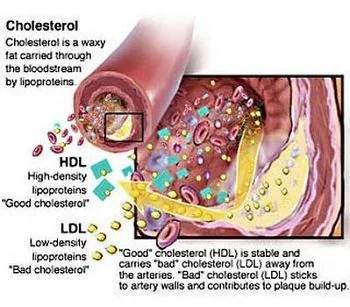
Total serum cholesterol is a composite metric comprising various lipoprotein fractions. Atherosclerosis is driven primarily by particles carrying apolipoprotein B-100 (ApoB), including low-density lipoprotein (LDL), very-low-density lipoprotein (VLDL), and intermediate-density lipoprotein (IDL). When circulating ApoB particles exceed the clearance capacity of the liver, they penetrate the compromised vascular endothelium, becoming entrapped in the sub-endothelial matrix of coronary and carotid arteries where they undergo oxidative modification by myeloperoxidase and reactive oxygen species (ROS).
Hepatic cholesterol balance is regulated by a strict negative feedback loop. The liver synthesizes cholesterol endogenously via 3-hydroxy-3-methylglutaryl-coenzyme A (HMG-CoA) reductase and clears LDL particles from circulation via cell-surface LDL receptors (LDLR). Approximately 50% of the body’s cholesterol elimination occurs through conversion into bile acids (cholic and chenodeoxycholic acids) catalyzed by the rate-limiting enzyme cholesterol 7α-hydroxylase (CYP7A1). Under normal conditions, > 95% of these bile acids are reabsorbed in the terminal ileum via the apical sodium-dependent bile acid transporter (ASBT) and returned to the liver. Interrupting this enterohepatic recycling or blocking the enterocyte sterol transporter NPC1L1 forces hepatocytes to extract cholesterol from circulating bloodstream LDL, lowering atherogenic risk.
“Sustained reduction in circulating atherogenic particles is achieved not by starvation, but by systematically enhancing hepatic LDL receptor recycling and blocking intestinal sterol reabsorption through functional biopolymers and polyphenols.”
6 Evidence-Backed Home Remedies for High Cholesterol
Modern clinical lipidology and dietary intervention trials establish 6 targeted whole-food and botanical strategies to improve lipoprotein kinetics:
1. Oat Beta-Glucan & Viscous Bile Acid Sequestration (Hepatic CYP7A1 Up-Regulation)
Soluble dietary fiber from whole oats (Avena sativa) and barley consists of unbranched linear polysaccharides of β-(1→3)- and β-(1→4)-D-glucan. When hydrated in the small intestine, high-molecular-weight beta-glucan forms a dense, viscoelastic gel network along the intestinal mucosal brush border.
As documented in research indexed by the National Center for Biotechnology Information (NCBI) on oat beta-glucan cholesterol-lowering mechanisms, this viscous physical matrix binds intraluminal bile acid micelles and impedes their passive diffusion and active uptake by ASBT in the ileum. Excreted in the stool, the lost bile salts deplete the hepatic bile acid pool, triggering the enzymatic activation of hepatic cholesterol 7α-hydroxylase (CYP7A1). To replenish bile acids, hepatocytes up-regulate cell-surface LDL receptors, pulling circulating ApoB/LDL particles out of the bloodstream. Consuming 3 grams of soluble oat beta-glucan daily (equivalent to ~1.5 cups of cooked rolled oats or 30 grams of oat bran) achieves an average 5% to 8% reduction in serum LDL-C without altering beneficial HDL-C. For broader prebiotic gut protocols, explore our detailed guide to fibermaxxing and metabolic gut transformation.
2. Green Tea Epigallocatechin Gallate (EGCG) & NPC1L1 Intestinal Transporter Inhibition
Green tea (Camellia sinensis) is rich in monomeric flavan-3-ols, predominantly (−)-epigallocatechin-3-gallate (EGCG), which accounts for over 50% of total catechin content. EGCG operates as a direct biochemical antagonist of dietary and biliary sterol absorption.
Clinical pharmacology published by the National Center for Biotechnology Information (NCBI) on green tea catechins and lipid metabolism reveals that EGCG down-regulates the expression of the Niemann-Pick C1-Like 1 (NPC1L1) transporter on jejunal enterocyte brush-border membranes—the exact molecular target inhibited pharmacologically by the drug ezetimibe. Furthermore, EGCG precipitates cholesterol from mixed bile salt-phospholipid micelles, rendering it insoluble and unabsorbable. Meta-analyses of randomized controlled trials indicate that consuming 2 to 3 cups of freshly brewed green tea daily (delivering 200–300 mg of EGCG) reduces circulating total cholesterol by 7.2 mg/dL and LDL-C by 5.5 mg/dL while suppressing susceptibility to LDL oxidation.
3. Marine Omega-3 Fatty Acids (EPA/DHA) & Hepatic VLDL Assembly Suppression
Cold-water fatty fish (wild salmon, sardines, mackerel, anchovies) provide long-chain polyunsaturated omega-3 fatty acids: eicosapentaenoic acid (EPA, 20:5 n-3) and docosahexaenoic acid (DHA, 22:6 n-3). While omega-3s primarily target triglycerides, their systemic impact on lipoprotein particle size and endothelial inflammatory signaling is profound.
According to clinical trials evaluated by the National Center for Biotechnology Information (NCBI) on omega-3 fatty acids in cardiovascular prevention, EPA and DHA act as natural ligands for peroxisome proliferator-activated receptor alpha (PPAR-α) while suppressing sterol regulatory element-binding protein 1c (SREBP-1c). This dual action accelerates hepatic mitochondrial fatty acid β-oxidation and inhibits diacylglycerol acyltransferase (DGAT), directly decreasing hepatic synthesis of triglycerides and the assembly of large, atherogenic VLDL particles. Consuming 2 to 3 servings of fatty fish weekly (or 1,000–2,000 mg of pure molecularly distilled EPA/DHA) lowers fasting triglycerides by 20% to 30% and shifts atherogenic small, dense LDL particles toward larger, less penetrative buoyant species. For broader arterial blood pressure management, review our evidence-based protocol on dietary electrophysiology for managing high blood pressure.
4. Citrus Hesperidin & Dietary Phytosterols (Micellar Competitive Exclusion)
Citrus fruits (particularly whole oranges and grapefruit retaining the albedo white pith) deliver the flavanone glycoside hesperidin alongside naturally occurring plant sterols and stanols (β-sitosterol, campesterol, and stigmasterol). Phytosterols share near-identical structural homology with human cholesterol, differing solely by the presence of an extra ethyl or methyl group on the hydrocarbon side chain.
Because phytosterols exhibit higher hydrophobic affinity for the central core of mixed bile acid-phospholipid micelles, they competitively displace cholesterol molecules from the micellar matrix, forcing unmicellized cholesterol to precipitate and pass through the gastrointestinal tract unabsorbed. Concurrently, citrus hesperidin enters portal circulation and down-regulates hepatic acyl-CoA:cholesterol acyltransferase 2 (ACAT2), reducing the esterification of cholesterol required for ApoB lipoprotein particle packaging. Eating whole intact citrus fruits (rather than filtered commercial juices that strip pulp and concentrate liquid fructose) supports both micellar clearance and arterial elasticity.
5. Fermentable Legume Pectin & Propionate-Mediated HMG-CoA Reductase Regulation
Legumes (lentils, chickpeas, black beans) and tree fruits deliver concentrated quantities of soluble pectin and resistant starch (type 3). Resistant to enzymatic breakdown in the upper gastrointestinal tract, these complex polysaccharides pass intact into the cecum and ascending colon, where they undergo anaerobic fermentation by commensal microbiota (principally Bacteroidetes and Faecalibacterium prausnitzii).
This colonic fermentation generates high concentrations of short-chain fatty acids (SCFAs), particularly acetate, butyrate, and propionate. While acetate is used for systemic energy, propionate is avidly extracted by hepatocytes via the portal vein. Within hepatocytes, propionate down-regulates the transcriptional expression of HMG-CoA reductase and increases the conversion of intrahepatic cholesterol into primary bile acids. Clinical feeding trials show that consuming 1/2 cup to 1 cup of cooked legumes daily reduces total cholesterol and LDL-C by 5% to 7% through this prebiotic-hepatic axis.
6. Allium S-Allyl Cysteine & Quercetin (Endothelial Nitric Oxide & ApoB Defense)
Fresh culinary alliums—primarily garlic (Allium sativum) and red onions (Allium cepa)—contain organosulfur precursors, most notably allin (which enzymatically converts to allicin upon crushing) and water-soluble S-allyl cysteine (SAC), alongside the bioflavonoid quercetin.
Allicin breakdown metabolites and SAC inhibit squalene monooxygenase and HMG-CoA reductase in hepatic microsomes, mildly attenuating de novo cholesterol biosynthesis. More critically from a vascular perspective, quercetin and allium sulfur compounds intercalate into circulating LDL particle membranes, directly shielding polyunsaturated fatty acids from free radical peroxidation. Oxidized LDL (oxLDL) is the specific toxic substrate recognized by macrophage scavenger receptors (CD36 and SR-A1) that initiates vascular foam cell formation and arterial plaque necrosis. Consuming 1 to 2 cloves of freshly crushed raw garlic daily or generous portions of raw red onion significantly preserves microvascular endothelial nitric oxide synthase (eNOS) activity. Explore our comprehensive monograph on garlic bioactives for cardiovascular and immune defense.
Lipid Clearance & Biomarker Modulation Matrix
| Dietary Intervention | Biochemical Target & Transporter | Clinical Lipoprotein Impact | Daily Therapeutic Dose & Safety Margin |
|---|---|---|---|
| Oat Beta-Glucan | Viscous micelle entrapment; ileal ASBT block; hepatic CYP7A1 up-regulation | 5%–8% reduction in serum LDL-C; ApoB reduction | ≥ 3 g soluble beta-glucan (1.5 cups cooked oats or 30 g bran) |
| Green Tea (EGCG) | Jejunal enterocyte NPC1L1 down-regulation; micellar sterol precipitation | 5–7 mg/dL reduction in LDL-C; oxLDL protection | 2–3 cups freshly brewed tea (200–300 mg EGCG); avoid fasting intake |
| Marine Omega-3s (EPA/DHA) | PPAR-α activation; SREBP-1c & DGAT inhibition; VLDL assembly suppression | 20%–30% reduction in triglycerides; increases LDL buoyancy | 1,000–2,000 mg combined EPA/DHA or 2–3 servings fatty fish/week |
| Citrus Phytosterols & Hesperidin | Competitive displacement from mixed micelles; hepatic ACAT2 suppression | 6%–10% reduction in intestinal cholesterol absorption | 1–2 whole citrus fruits with albedo pith or 1.5–2 g dietary phytosterols |
| Fermentable Legume Pectin | Colonic SCFA synthesis; portal propionate HMG-CoA reductase modulation | 5%–7% reduction in total cholesterol and LDL-C | 1/2 cup to 1 cup cooked lentils, chickpeas, or beans daily |
| Allium Organosulfurs & Quercetin | Squalene monooxygenase inhibition; oxLDL scavenger receptor blockade | Attenuates LDL lipid peroxidation; enhances eNOS vasodilation | 1–2 freshly crushed raw garlic cloves daily; allow 10 min alliinase standing |
Science-Based Debunking, Safety Boundaries & Medical Redlines
A prevalent internet myth claims that drinking raw apple cider vinegar (ACV) “dissolves arterial plaque” or “melts bad cholesterol.” In rigorous human biochemical trials, acetic acid does not enter vascular sub-endothelial spaces or chemically dissolve calcium-hydroxyapatite and lipid-rich atherosclerotic plaques. While dilute vinegar may modestly attenuate postprandial glucose surges by slowing gastric emptying, relying on ACV to manage severe dyslipidemia while ignoring ApoB particle counts is clinically dangerous.
Clinical Redlines & Cardiovascular Triaging: Dietary home remedies are powerful foundational interventions, but they cannot replace pharmacotherapy in high-risk scenarios. Medical consultation is mandatory in the following circumstances:
- Severe primary hypercholesterolemia: Baseline LDL-C ≥ 190 mg/dL or ApoB ≥ 130 mg/dL (strongly suggestive of Familial Hypercholesterolemia with defective LDL receptor mutations requiring specialized pharmacotherapy).
- Established Atherosclerotic Cardiovascular Disease (ASCVD): Documented coronary artery calcification (CAC > 100), prior myocardial infarction, carotid stenosis, or peripheral artery disease requires secondary prevention under cardiologist care.
- Extreme hypertriglyceridemia: Fasting serum triglycerides > 500 mg/dL creates an imminent risk of acute pancreatitis, requiring immediate targeted medical therapy.
Disclaimer: This article is for informational purposes only and is not intended as medical advice. Always consult with a qualified healthcare professional before making changes to your health regimen.
Frequently Asked Questions (FAQ)
Can dietary beta-glucans and green tea replace statin medication?
No, dietary strategies cannot match the 30% to 50% LDL-C lowering potency of moderate-to-high intensity statins in patients with established cardiovascular disease or severe familial hypercholesterolemia. Dietary beta-glucans, EGCG, and phytosterols typically yield an 8% to 15% reduction in LDL-C, making them outstanding primary prevention tools for borderline elevations or complementary adjuncts to medically supervised therapies.
Does drinking apple cider vinegar melt cholesterol or clean arteries?
No, apple cider vinegar does not melt cholesterol, dissolve existing arterial plaque, or clear calcified coronary arteries. Arterial plaques reside beneath the endothelial lining of blood vessels, where ingested acetic acid cannot reach without lethal systemic acidosis. ACV should be viewed strictly as a minor culinary agent, not an anti-atherogenic cure.
How long does it take for dietary changes to reflect in standard lipid blood panels?
Dietary lipid interventions typically require 4 to 8 weeks to achieve a new metabolic steady-state in circulating lipoproteins. Because hepatic LDL receptor expression responds to altered bile acid fluxes within weeks, retesting standard lipid profiles (including total cholesterol, LDL-C, HDL-C, and triglycerides) is clinically recommended 6 to 12 weeks after initiating dietary modifications.