


Seed Cycling for Hormone Balance: Does It Actually Work?
Key Takeaways
- Seed cycling means eating pumpkin and flax seeds during the follicular phase (days 1–14) and sunflower and sesame seeds during the luteal phase (days 15–28) to support estrogen and progesterone balance.
- A 2023 randomized clinical trial found seed cycling significantly improved hormonal markers and ovarian morphology in women with PCOS.
- While the cycling protocol itself lacks extensive research, the individual nutrients—lignans, zinc, vitamin E, and omega-3s—are well-studied for their roles in reproductive health.
Hormonal imbalances affect millions of women, driving symptoms from irregular periods and mood swings to acne and weight gain. Seed cycling has emerged as a simple, food-based approach that claims to restore balance by aligning specific seeds with your menstrual cycle phases.
But does rotating seeds actually shift your hormones? Or is it another wellness trend riding on anecdotal evidence? Let’s break down what the science says—and what it doesn’t.
What Is Seed Cycling?
Seed cycling is a nutritional protocol where you consume four specific seeds in two alternating phases of your menstrual cycle. The goal is to provide targeted nutrients that theoretically support the dominant hormone of each phase.
The practice draws on the idea that certain seeds contain compounds—like phytoestrogens, zinc, vitamin E, and selenium—that can gently influence how your body produces, uses, and clears hormones.
The Two Phases Explained
| Phase | Days | Dominant Hormone | Seeds | Key Nutrients |
|---|---|---|---|---|
| Follicular | 1–14 | Estrogen (rising) | Flax + Pumpkin | Lignans, omega-3, zinc |
| Luteal | 15–28 | Progesterone (rising) | Sesame + Sunflower | Vitamin E, selenium, lignans |
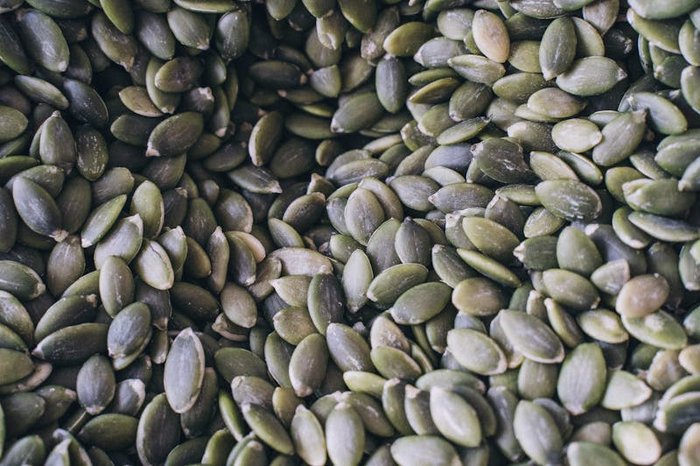
Follicular phase (days 1–14): You eat 1 tablespoon each of ground flaxseed and pumpkin seeds daily. Flaxseed contains lignans, which are phytoestrogens that can bind to estrogen receptors and help modulate estrogen activity. Pumpkin seeds provide zinc, which supports estrogen production.
Luteal phase (days 15–28): You switch to 1 tablespoon each of ground sesame and sunflower seeds daily. Sesame seeds also contain lignans that may help prevent estrogen dominance. Sunflower seeds deliver vitamin E, which some research links to progesterone support, and selenium, which aids liver detoxification of spent hormones.
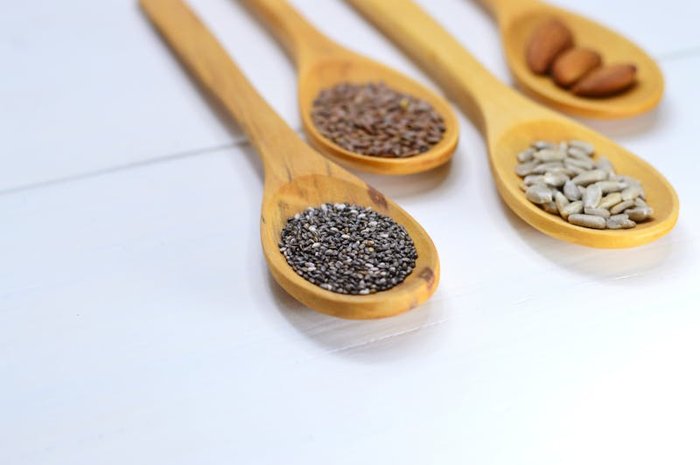
Most practitioners recommend grinding the seeds fresh for better nutrient absorption, using raw (not roasted) seeds, and adding them to smoothies, yogurt, or salads.
The Science Behind the Claims
Here’s where things get nuanced. The seed cycling protocol as a whole has limited direct research. But the individual components? Those are well-studied.
What the Research Shows
A 2023 randomized clinical trial published in Food Science & Nutrition examined seed cycling in women with PCOS. The results were promising:
Participants who followed a structured seed cycling protocol experienced significant improvements in hormonal markers (FSH, LH, and progesterone), ovarian morphology, and BMI compared to control groups.
A second 2023 study on 90 women with PCOS confirmed these findings, noting decreased luteinizing hormone (LH) and follicle-stimulating hormone (FSH)—both markers of the hormonal imbalance characteristic of PCOS.
Beyond PCOS, individual seed nutrients have solid science behind them:
- Flaxseed lignans have been linked to improved progesterone-to-estrogen ratios during the luteal phase in small human studies.
- Omega-3 fatty acids (from flax and pumpkin seeds) support healthy cell membranes and blood flow to reproductive organs.
- Vitamin E (from sunflower seeds) plays a documented role in follicle development and endometrial health.
- Selenium (from sunflower seeds) supports the liver’s phase-II detoxification pathway, which clears excess estrogen.
What the Science Does NOT Show
No large-scale, long-term trials have tested the complete cycling protocol in healthy women without PCOS. Critics argue that any benefits may come from simply eating more nutrient-dense seeds—not from the specific timing.
One study found no significant change in progesterone levels with zinc supplementation alone, challenging the pumpkin-seed-as-estrogen-booster claim. Another study on vitamin E supplementation in PCOS women showed no significant impact on ovulation or pregnancy rates.
“The benefits experienced might be due to the overall nutritional improvement from incorporating healthy seeds into the diet, rather than the specific cycling practice itself.” — The Dietologist
Who Might Benefit from Seed Cycling?
Seed cycling is low-risk and inexpensive, making it worth trying for several groups:
- Women with PCOS: The strongest evidence exists here. The 2023 clinical trials showed measurable hormonal improvements.
- Women with irregular periods: The nutrients in these seeds support overall reproductive health, even if the cycling mechanism isn’t proven.
- Women approaching menopause: Phytoestrogens from flax and sesame may help ease the transition, though direct evidence is limited.
- Anyone seeking a food-first approach: Adding flax, pumpkin, sesame, and sunflower seeds to your diet is a nutritional win regardless of hormonal effects.
If you’re dealing with menstrual cramps, stress-related hormonal issues, or hormonal hair loss, seed cycling is a gentle, complementary strategy worth exploring alongside medical guidance.
How to Start Seed Cycling
Step-by-Step Protocol
- Track your cycle: Day 1 = first day of your period. If your cycle is irregular or you don’t menstruate, you can follow the lunar calendar (new moon = day 1).
- Follicular phase (days 1–14): Add 1 tbsp ground flaxseed + 1 tbsp ground pumpkin seeds daily.
- Luteal phase (days 15–28): Switch to 1 tbsp ground sesame seeds + 1 tbsp ground sunflower seeds daily.
- Grind fresh: Use a coffee grinder or blender. Pre-ground seeds lose potency quickly.
- Stay consistent: Most practitioners suggest trying for at least 3 full cycles before evaluating results.
Tips for Success
- Add seeds to smoothies, oatmeal, yogurt, or salads—not cooking (heat can damage delicate oils).
- Buy organic, raw seeds to avoid pesticide exposure and preserve nutrient integrity.
- Store ground seeds in the refrigerator in an airtight container (they oxidize fast).
- Mark your calendar or use a cycle-tracking app to know which phase you’re in.
Potential Side Effects and Precautions
Seed cycling is generally safe for most people. The amounts are small, and the seeds are common foods. However, consider these points:
- Allergies: Avoid if you’re allergic to any of the four seeds.
- Digestive sensitivity: Start with smaller amounts if you’re not used to high-fiber foods.
- Phytoestrogen concerns: Women with estrogen-receptor-positive cancers should consult their doctor before consuming flaxseed or sesame in therapeutic amounts.
- Medication interactions: Flaxseed may affect blood-thinning medications. Check with your healthcare provider if you’re on any prescriptions.
- Pregnancy and breastfeeding: The protocol is designed for cycling women. Discontinue if you become pregnant and consult your doctor.
Seed Cycling vs. Other Natural Hormone Supports
| Approach | Cost | Evidence Level | Ease of Use | Risk |
|---|---|---|---|---|
| Seed Cycling | ~$10/month | Limited (promising for PCOS) | Very easy | Very low |
| Vitex (Chasteberry) | ~$15/month | Moderate | Easy (supplement) | Low–moderate |
| Adaptogenic herbs | $20–40/month | Moderate | Moderate | Low |
| Berberine | ~$20/month | Strong (for blood sugar) | Easy (supplement) | Moderate |
| Hormonal birth control | $0–50/month | Strong | Easy | Moderate–high |
Seed cycling stands out for its near-zero risk profile and extremely low cost. It won’t replace medical treatment for serious hormonal disorders, but it’s an excellent complementary strategy that adds nutritional value regardless of hormonal effects.
For those interested in broader natural health approaches, combining seed cycling with anti-inflammatory foods like turmeric and ginger and probiotic-rich foods for gut health creates a solid foundation for overall hormonal wellness.
Disclaimer: This article is for informational purposes only and is not intended as medical advice. Always consult with a qualified healthcare professional before making changes to your health regimen.Frequently Asked Questions (FAQ)
How long does it take for seed cycling to work?
Most practitioners recommend trying seed cycling for at least 3 full menstrual cycles (about 3 months) before evaluating results. Some women report changes within the first cycle, while others need longer. Consistency is key—sporadic use is unlikely to produce noticeable effects.
Can I do seed cycling if I don’t have a regular period?
Yes. If your cycle is irregular or absent, you can follow the lunar calendar as a guide: start the follicular phase on the new moon (day 1) and switch to the luteal phase on the full moon (around day 15). This provides a consistent 28-day framework regardless of your actual cycle.
Do I have to grind the seeds?
Yes, grinding is strongly recommended. Whole seeds often pass through the digestive tract undigested, meaning you miss out on the lignans, omega-3s, and other nutrients. A simple coffee grinder works perfectly. Grind fresh daily or every few days, and store in the refrigerator.
Is seed cycling safe during menopause?
Seed cycling is generally considered safe during perimenopause and menopause. The phytoestrogens in flax and sesame seeds may help ease menopausal symptoms like hot flashes, though direct research is limited. Consult your healthcare provider, especially if you have a history of hormone-sensitive conditions.
Can men benefit from seed cycling?
The protocol is designed around the female menstrual cycle, so the cycling aspect doesn’t directly apply to men. However, men can benefit from eating all four seeds—they’re rich in zinc, omega-3s, vitamin E, and selenium, which support testosterone production, prostate health, and overall well-being.