





Acute diarrhea represents one of the body’s most aggressive, protective physiological defense mechanisms—an emergency purge initiated by the enteric nervous system to expel microbial pathogens, cytotoxic enterotoxins, or inflammatory irritants. However, when accelerated peristalsis and hyper-secretory mucosal signaling overwhelm the colon’s absorptive capacity, the resulting loss of water and vital electrolytes can rapidly precipitate hypovolemia, metabolic acidosis, and cellular dehydration. Understanding how to stop diarrhea safely requires aligning with your gastrointestinal tract’s recovery biology: deploying targeted oral rehydration chemistry, enterocyte-repair nutrients, and transit-slowing fibers while strictly avoiding counter-productive remedies that trap invasive bacteria in the gut.
Core Summary (Key Takeaways)
- The SGLT1 Cotransport Solution: Plain water and commercial sports drinks frequently fail during acute diarrhea; optimal cellular rehydration requires a reduced-osmolarity Oral Rehydration Salts (ORS) solution that utilizes active sodium-glucose cotransporters in the small intestine.
- Soluble vs. Insoluble Fiber: Insoluble roughage irritates hyperactive bowel mechanoreceptors, whereas soluble viscous fiber (such as pectin from stewed apples) forms a protective gel and ferments into short-chain fatty acids that stimulate fluid absorption.
- Anti-Motility Redlines: Over-the-counter anti-diarrheal agents like loperamide should never be used if you experience high fever, bloody stools, or suspected bacterial dysentery, as halting motility traps invasive pathogens and risks toxic megacolon.

The Pathophysiology of Diarrhea: Secretory vs. Osmotic Mechanisms
In a healthy gastrointestinal tract, approximately 9 liters of fluid enter the jejunum daily (derived from dietary intake, saliva, gastric juice, bile, and pancreatic secretions), with the ileum and colon reabsorbing over 98% to form solid stool. Diarrhea occurs when this delicate equilibrium between mucosal secretion and absorption collapses through three primary pathophysiological pathways:
- Secretory Diarrhea: Pathogenic enterotoxins (such as cholera toxin or enterotoxigenic *E. coli*) chronically activate intracellular cyclic AMP (cAMP) or cyclic GMP. This forces apical cystic fibrosis transmembrane conductance regulator (CFTR) channels to pump massive volumes of chloride into the intestinal lumen, dragging sodium and water along with it.
- Osmotic Diarrhea: Malabsorbed, unhydrolyzed solutes in the bowel lumen (such as lactose or concentrated simple sugars) exert an osmotic draw, pulling water out of the vascular circulation and into the fecal stream.
- Inflammatory/Exudative Diarrhea: Invasive pathogens (such as *Campylobacter*, *Salmonella*, or *Shigella*) breach the mucosal barrier, triggering neutrophil infiltration, micro-ulcerations, and exudation of blood, mucus, and serum proteins.
According to the clinical practice guidelines published by the American College of Gastroenterology (ACG), effective management requires identifying whether fluid loss is driven by osmotic or secretory dynamics, with fluid restoration taking immediate clinical priority over symptom suppression.
“Diarrhea does not kill through infection; it kills through hypovolemic dehydration. Restoring intestinal fluid transport at the cellular level is the foundational pillar of gastrointestinal recovery.”
6 Evidence-Based Strategies to Resolve Acute Diarrhea
Modern clinical gastroenterology substantiates six targeted interventions to shorten diarrhea duration, consolidate stool volume, and regenerate damaged enterocytes:
1. Hypotonic Oral Rehydration Salts (ORS) via SGLT1 Cotransport
The single greatest medical breakthrough in diarrheal illness was the discovery of the sodium-glucose cotransporter-1 (SGLT1) on the apical brush-border membrane of intestinal enterocytes. Even when severe bacterial toxins paralyze passive fluid absorption, the active SGLT1 pump remains fully operational, transporting one glucose molecule alongside two sodium cations into the cell cytoplasm.
This rapid influx creates a concentrated localized osmotic gradient that pulls substantial volumes of water from the lumen back into the bloodstream. Relying on the gold-standard World Health Organization (WHO) reduced-osmolarity ORS formulation (245 mOsm/L: containing sodium chloride, anhydrous glucose, potassium chloride, and trisodium citrate) restores systemic volume far faster and safer than plain water alone.
2. Soluble Viscous Fiber (Pectin) for Stool Consolidation
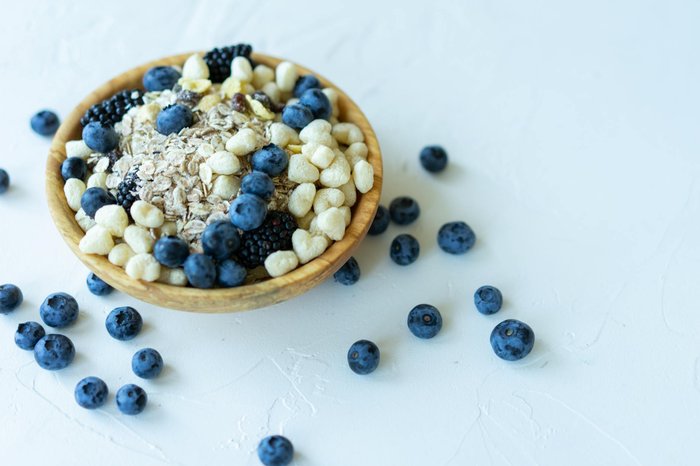
Dietary fiber is not monolithic. During acute diarrhea, insoluble fiber (wheat bran, raw seeds, rough leafy greens) acts as a mechanical irritant, firing enteric stretch receptors and accelerating transit. Conversely, soluble viscous fiber (particularly pectin found in stewed apples, green bananas, and oats) dissolves in luminal fluid to form a soothing colloidal gel.
This gel matrix absorbs free water in the intestinal lumen, increasing fecal viscosity and delaying transit time. Furthermore, colonic commensal anaerobic bacteria ferment soluble pectin into short-chain fatty acids (SCFAs), particularly butyrate. Butyrate acts as the primary fuel source for colonocytes, stimulating the active reabsorption of sodium and water across the colonic epithelium. For managing recurring post-infectious digestive instability, pairing soluble fiber with targeted home remedies for intestinal bloating and cramping restores baseline bowel regularity.
3. Strain-Specific Clinical Probiotics (Saccharomyces boulardii & LGG)
Generic dairy yogurts are largely ineffective during acute gastroenteritis because cold pasteurization and gastric acid degrade fragile cultures. Instead, clinical trials mandate the use of targeted, evidence-backed medicinal probiotic strains—most notably the non-pathogenic yeast Saccharomyces boulardii and the bacterium Lactobacillus rhamnosus GG (LGG).
A comprehensive Cochrane systematic review published in Cochrane Database of Systematic Reviews confirmed that co-administering strain-specific probiotics reduces the duration of infectious diarrhea by an average of 25 hours. *S. boulardii* directly neutralizes bacterial enterotoxins, protects mucosal brush-border integrity, and upregulates secretory immunoglobulin A (sIgA). To rebuild your gastrointestinal barrier post-infection, integrate evidence-based clinical probiotic foods for gut microbiome restoration once acute purging subsides.
4. Supplemental Zinc for Rapid Enterocyte Mucosal Repair
Zinc is an indispensable trace mineral required for cellular proliferation, nucleic acid synthesis, and the assembly of epithelial tight junction proteins (occludin and claudin-1). During acute diarrheal episodes, massive mucosal shedding leads to acute systemic zinc depletion.
Clinical guidelines established by the WHO and UNICEF strongly recommend short-term zinc supplementation (20 mg daily for adults and older children for 10 to 14 days). Supplemental zinc stimulates the regeneration of damaged brush-border villi, accelerates the restoration of mucosal disaccharidase enzymes, and downregulates potassium-driven ion secretion, measurably reducing stool frequency and recurrence risk.
5. Managing Secondary Lactase Deficiency and High-FODMAP Fermentation
When viral rotavirus, norovirus, or invasive bacteria infect the small intestine, they selectively slough off the mature enterocytes lining the tips of intestinal villi. These villus tips are where the enzyme lactase (beta-galactosidase) is exclusively synthesized.
This triggers transient secondary lactose intolerance lasting 7 to 14 days post-infection. If you consume milk, ice cream, or soft cheeses during this window, unhydrolyzed lactose passes intact into the colon, drawing water via osmotic pressure and undergoing explosive bacterial fermentation into hydrogen gas and lactic acid. Temporarily eliminating dairy and high-fermentation sugars allows immature enterocytes to migrate, mature, and re-establish native disaccharidase synthesis.
6. Judicious Anti-Motility Agents (Loperamide Boundaries)
Over-the-counter anti-motility medications (such as loperamide) act as selective peripheral mu-opioid receptor agonists in the myenteric plexus. Loperamide suppresses circular and longitudinal smooth muscle contractions, inhibits propulsive peristalsis, and tightens anal sphincter tone, providing rapid symptomatic control during non-invasive traveler’s or stress-induced diarrhea.
However, loperamide must be used with extreme medical caution. If diarrhea is accompanied by a fever exceeding 38.5°C (101.3°F) or bloody stools (dysentery), loperamide is strictly contraindicated. Halting peristalsis prevents the natural expulsion of invasive pathogens (such as *C. difficile* or *Shigella*), allowing bacterial toxins to penetrate the bowel wall and triggering life-threatening toxic megacolon.
Comparative Analysis: The 6 Interventions, Mechanisms, and Dosages
| Intervention | Biochemical Mechanism | Scientific Evidence Level | Optimal Clinical Protocol |
|---|---|---|---|
| 1. Reduced-Osmolarity ORS | Activates apical SGLT1 sodium-glucose cotransport to pull water into enterocytes. | Gold Standard (WHO / UNICEF) | Sip 200–400 mL after each loose bowel movement; avoid gulping. |
| 2. Soluble Viscous Fiber | Forms hydrating colloidal gel; ferments into SCFA butyrate to drive colonic fluid uptake. | Strong (Physiologic Nutrition) | Stewed peeled apples, green banana mash, or plain cooked white rice. |
| 3. Targeted Probiotics | *S. boulardii* and LGG degrade bacterial enterotoxins and upregulate sIgA secretion. | Very Strong (Cochrane Meta-Analysis) | 250–500 mg (10–20 billion CFU) daily taken between meals. |
| 4. Supplemental Zinc | Cofactor for epithelial tight junction assembly (claudin/occludin) and villus repair. | Strong (Clinical Guidelines) | 20 mg elemental zinc daily for 10 to 14 consecutive days. |
| 5. Lactose Elimination | Prevents secondary osmotic purging due to sloughed brush-border lactase enzymes. | Strong (Gastroenterology Consensus) | Zero dairy consumption for 7–10 days until stools completely normalize. |
| 6. Loperamide (Selective) | Peripheral mu-opioid receptor agonism slows myenteric plexus smooth muscle transit. | Strong (Non-Invasive Diarrhea Only) | 4 mg initial dose, followed by 2 mg after each loose stool (max 8 mg/day). |
The SGLT1 Osmotic Mechanism: Why Commercial Sports Drinks Worsen Dehydration
One of the most dangerous, pervasive internet home remedies is drinking commercial sports drinks (such as Gatorade), apple juice, or ginger ale during acute diarrhea. Clinical biophysics explains why this practice exacerbates fluid loss:
- The Osmolarity Mismatch: Healthy human plasma maintains an osmolarity of approximately 285 to 295 mOsm/L. The WHO clinical standard for ORS is specifically engineered to be hypotonic (245 mOsm/L), creating an osmotic gradient that rapidly draws water from the intestinal lumen across enterocytes and into blood vessels.
- Osmotic Fluid Purging: In contrast, commercial sports beverages and fruit juices possess hypertonic osmolarities exceeding 330 to 500+ mOsm/L due to concentrated high-fructose corn syrup and sucrose, combined with insufficient sodium concentrations (typically under 20 mEq/L, compared to 75 mEq/L in medical ORS).
- The Consequence: When high-sugar liquids hit an inflamed small intestine, they cannot be rapidly absorbed. Instead, through elementary osmotic forces, they draw interstitial fluid out of your bloodstream and dump it into the intestinal lumen, dramatically increasing stool liquidity and worsening dehydration.
Red Flags and Emergency Warnings: When to Seek Immediate Medical Care
While most uncomplicated acute gastroenteritis resolves within 48 to 72 hours, certain clinical manifestations indicate invasive bacterial infection, bowel ischemia, or severe hypovolemic crisis. Seek immediate emergency medical attention if you experience:
- Hematochezia or Melena: Presence of visible red blood, dark tarry stools, or substantial purulent mucus in the bowel movements.
- High-Grade Systemic Fever: Body temperature exceeding 38.5°C (101.3°F), indicative of invasive systemic pathogens.
- Severe Dehydration and Shock: Inability to keep fluids down due to persistent emesis, profound postural dizziness, confusion, dry mucous membranes, sunken eyes, or an absence of urination for over 8 hours.
- Severe Rebound Abdominal Pain: Localized, rigid abdominal guarding rather than diffuse cramping, raising concern for peritonitis or appendicitis.
- Pediatric & Geriatric Vulnerability: Infants under 6 months old and frail elderly adults dehydrate rapidly and require prompt medical oversight.
Disclaimer: This article is for informational purposes only and is not intended as medical advice. Always consult with a qualified healthcare professional before making changes to your health regimen.
Frequently Asked Questions (FAQ)
Can I make an effective oral rehydration solution at home if I do not have ORS packets?
Yes. The standard World Health Organization emergency home recipe consists of 1 liter of clean, safe drinking water mixed with 6 level teaspoons of sugar (anhydrous glucose/sucrose) and 1/2 level teaspoon of salt (sodium chloride). Stir until completely dissolved. Ensure precise measurements: adding too much sugar creates an osmotic draw that worsens diarrhea, while excess salt is dangerous for kidney function.
Is the traditional BRAT diet still recommended by doctors?
Modern pediatric and gastroenterological guidelines have modernized the historic BRAT diet (Bananas, Rice, Applesauce, Toast). While the soluble pectin in green bananas and stewed apples helps firm loose stools, staying on an exclusive BRAT diet for more than 24 to 48 hours is nutritionally inadequate, lacking essential protein, electrolytes, and healthy fats necessary for intestinal mucosal healing. Reintroduce lean poultry, well-cooked root vegetables, and complex broths as early as tolerated.
Does drinking apple cider vinegar cure diarrhea?
No. While apple cider vinegar contains antimicrobial acetic acid, drinking acidic solutions during active enteritis can severely irritate an already inflamed gastric and intestinal mucosa, worsening abdominal cramping and nausea. In our breakdown of apple cider vinegar benefits and digestive precautions, we emphasize that ACV is best reserved for low stomach acid support, not acute intestinal infections.
Can drinking coffee cause or worsen acute diarrhea?
Yes. Caffeine is a recognized gastrointestinal stimulant that accelerates gastric emptying and triggers mass colonic contractions via the gastrocolic reflex. Furthermore, certain coffee chlorogenic acids stimulate cholecystokinin release and increase intestinal secretion. As explored in our clinical guide on coffee and gut health motility, avoid all coffee and caffeinated teas until bowel movements have completely stabilized.