



Synthetic anti-aging ingredients are taking a backseat as dermatologists and longevity experts turn their focus to the ocean. Microalgae—microscopic aquatic powerhouses—are dominating clean beauty by delivering unmatched cellular protection and collagen stimulation, completely bypassing the severe irritation caused by traditional retinoids.
Core Summary (Key Takeaways)
- Astaxanthin and Spirulina offer marine-derived antioxidant protection up to 6,000 times stronger than traditional Vitamin C.
- These ocean-derived compounds provide dual benefits, boosting both internal longevity and external skin barrier repair simultaneously.
- Microalgae act as a highly sustainable, non-irritating alternative to synthetic retinols for combatting fine lines and hyperpigmentation.
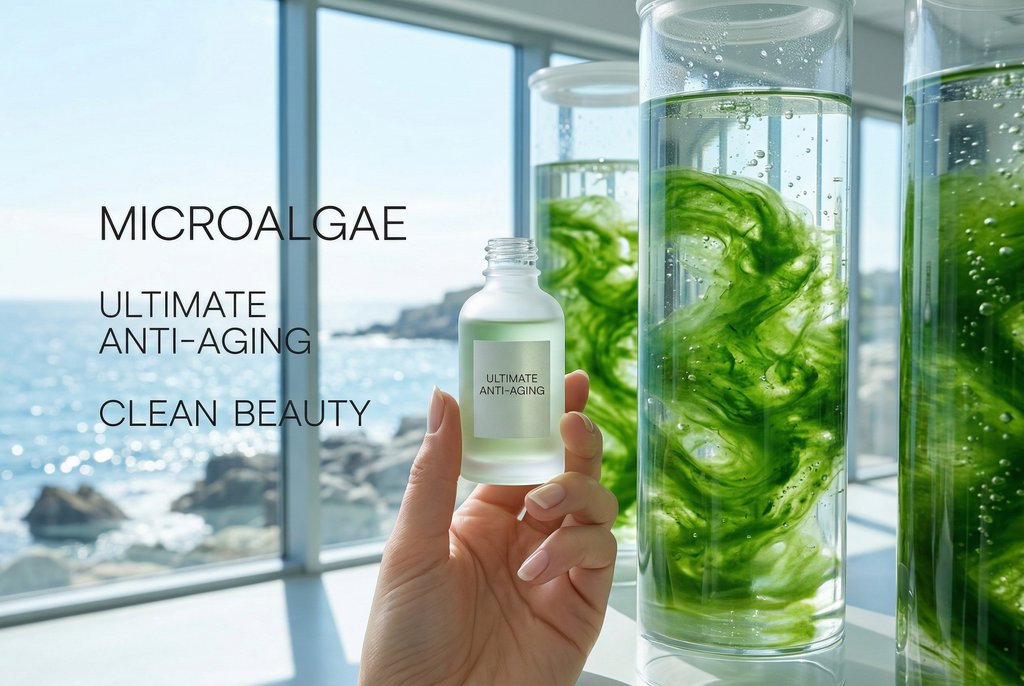
The intersection of systemic nutrition and dermatology has crowned microalgae as the ultimate multitasking ingredient. These single-celled organisms survive extreme marine environments by producing massive amounts of bioactive compounds. When applied topically or ingested as a dietary supplement, they transfer this biological resilience directly to human cells.
Unlike traditional synthetic chemicals, microalgae strains such as Spirulina, Chlorella, and Haematococcus pluvialis pack a dense matrix of amino acids, peptides, and omega-3 fatty acids. This unique synergy accelerates skin tissue repair while deeply hydrating the dermis, locking in moisture at a cellular level.
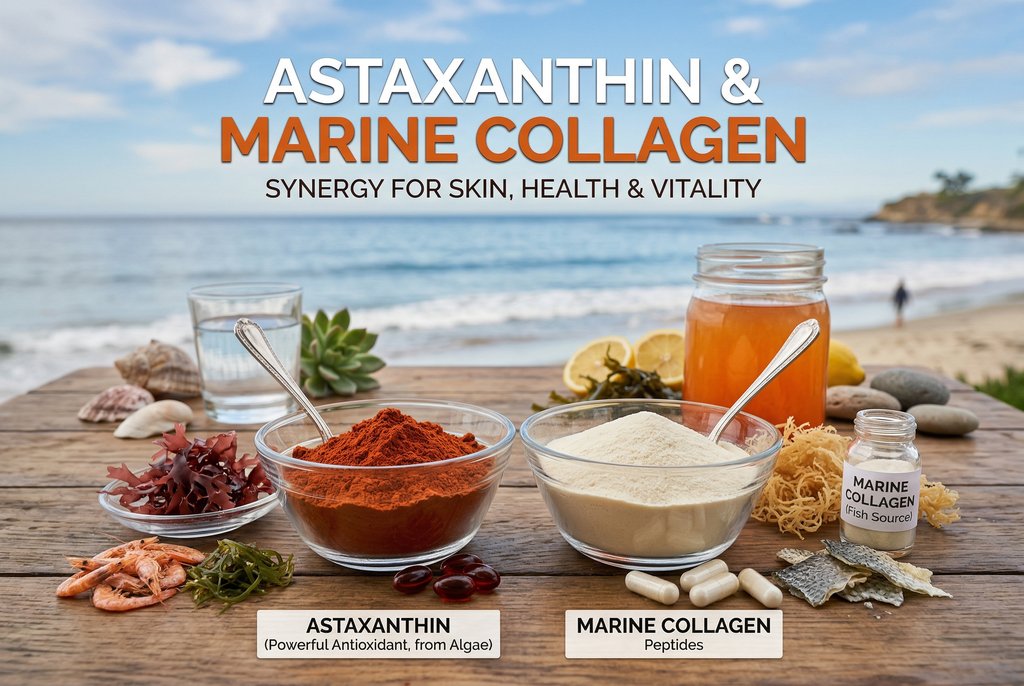
Clinical data indicates that Astaxanthin, a potent naturally occurring carotenoid derived from microalgae, neutralizes oxidative free radicals up to 6,000 times more effectively than Vitamin C, significantly preventing UV-induced skin degradation.
To understand the profound impact of marine compounds, we must look at how they modulate cellular aging. According to comprehensive research published by the National Center for Biotechnology Information (NCBI), astaxanthin not only improves skin elasticity but also dramatically reduces systemic oxidative stress when taken orally.
Furthermore, marine algae extracts are incredibly biocompatible with our skin’s natural lipid barrier. This means they penetrate deeply without triggering the inflammatory pathways often associated with chemical exfoliants. A review of marine drugs in cosmetics highlights their therapeutic potential for treating chronic skin conditions like eczema and rosacea.
Microalgae vs. Traditional Skincare Ingredients
| Feature | Microalgae (e.g., Astaxanthin) | Traditional (e.g., Retinol/Vit C) |
|---|---|---|
| Irritation Level | Extremely low, highly safe for sensitive skin | High, frequently causes redness or peeling |
| Antioxidant Power | Superior (Up to 6,000x more potent than Vitamin C) | Moderate to High, but highly unstable |
| Health & Beauty Synergy | Dual-Action (Effective as both topical and ingestible) | Strictly topical (Retinol cannot be ingested for skin) |
As the clean beauty movement shifts from simply “non-toxic” to “clinically active,” ocean-derived ingredients are setting the new gold standard. They bridge the gap between health supplements and luxury skincare, proving that the most advanced anti-aging technologies are often engineered by nature itself.
Disclaimer: This article is for informational purposes only and is not intended as medical advice. Always consult with a qualified healthcare professional before making changes to your health regimen.
Frequently Asked Questions (FAQ)
Can microalgae effectively replace retinol in my routine?
Yes. Specific algae extracts can stimulate native collagen production and increase cellular turnover without compromising your skin barrier. They are considered the premier alternative for individuals dealing with sensitive skin or rosacea.
Is it better to apply microalgae topically or take it as a supplement?
For optimal anti-aging and longevity results, a dual approach is highly recommended. Ingesting high-quality algae supplements targets systemic cellular oxidative stress, while topical serums directly address surface fine lines and hyperpigmentation.
Are ocean-derived beauty products environmentally sustainable?
Absolutely. Most commercial microalgae used in the clean beauty industry are sustainably cultivated in controlled indoor laboratory bioreactors. This closed-loop process ensures high purity, limits water waste, and creates zero disruption to fragile marine ecosystems.