








Hair loss affects millions worldwide, yet consumers continuously blindly resort to harsh chemical treatments without exploring clinically proven, plant-based alternatives. If you are tired of greasy foams, chronic scalp irritation, and temporary fixes, modern dermatology reveals a natural botanical protocol that actively rivals pharmaceutical interventions.
Core Summary (Key Takeaways)
- Rosemary oil contains high levels of carnosic acid, which stimulates cellular turnover and improves localized scalp circulation similarly to chemical vasodilators.
- Clinical data demonstrates that natural topical therapies offer equivalent hair regrowth rates to 2% minoxidil after six months of consistent use, with significantly fewer side effects.
- Combining botanical treatments with scalp microneedling creates micro-channels that multiply nutrient absorption and actively reverse scalp aging.
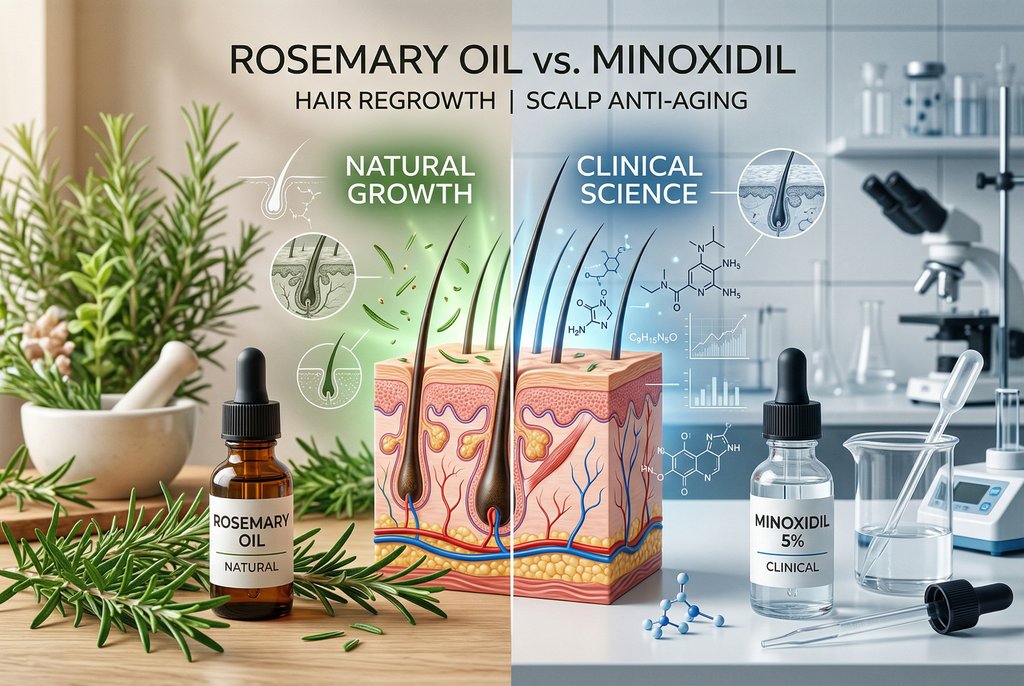
The Science of Carnosic Acid: Why Rosemary Rivals Minoxidil
The secret behind rosemary oil’s efficacy lies in carnosic acid, an active compound that heals tissue and nerve damage. This restorative property rejuvenates dormant hair follicles, directly combating the root causes of androgenetic alopecia. Unlike temporary cosmetic fixes, it promotes sustained cellular health.
When applied topically, this potent botanical extract dramatically improves blood perfusion to the scalp. Enhanced blood flow ensures that oxygen and essential nutrients are delivered efficiently to starving follicles. This mechanism mimics conventional vasodilators but operates without disrupting the body’s natural cardiovascular baseline.
In a landmark randomized comparative trial, rosemary oil was found to be just as effective as 2% minoxidil in increasing hair count at the six-month mark, while demonstrating significantly less scalp itching and irritation.
You can review the full methodology and results of this pivotal NCBI comparative trial, which cemented rosemary’s status in modern clinical dermatology. The absence of severe localized inflammation makes it a superior choice for sensitive skin profiles.
Comprehensive Comparison: Rosemary Oil vs. Minoxidil
Choosing the right intervention requires analyzing both efficacy and long-term tolerability. The table below breaks down the clinical distinctions between these two leading hair growth protocols.
| Feature | Rosemary Oil (Diluted) | Minoxidil (2% or 5%) |
|---|---|---|
| Mechanism of Action | Microcirculation boost & tissue healing via Carnosic Acid | Potassium channel opener (Vasodilation) |
| Efficacy Timeline | Visible results at 6 months | Visible results at 4 to 6 months |
| Primary Side Effects | Mild tingling (rarely severe) | Scalp pruritus, dryness, and systemic absorption risks |
| Cost Profile | Highly cost-effective and accessible | Ongoing monthly pharmaceutical expense |
Microneedling: The Ultimate Absorption Multiplier
To maximize the penetration of any topical treatment, advanced scalp anti-aging protocols incorporate microneedling (dermarolling). This mechanical therapy creates controlled micro-injuries in the epidermis, triggering a powerful wound-healing cascade that floods the scalp with collagen and elastin.
Studies published by the National Institutes of Health (NIH) confirm that microneedling combined with topical therapies stimulates stem cells in the dermal papillae. This synergy dramatically accelerates the transition from the resting (telogen) to the growth (anagen) hair phase.
Never apply concentrated essential oils directly to freshly punctured skin. Always use a carrier oil, such as jojoba or pumpkin seed oil, to dilute the rosemary extract and protect the delicate scalp barrier from potential chemical burns.
Disclaimer: This article is for informational purposes only and is not intended as medical advice. Always consult with a qualified healthcare professional before making changes to your health regimen.
Frequently Asked Questions (FAQ)
1. Can I apply undiluted rosemary oil directly to my scalp?
No. Pure rosemary essential oil is highly volatile and can cause severe contact dermatitis. It must be diluted with a gentle carrier oil, such as argan or castor oil, at a safe ratio (typically 2 to 3 drops per tablespoon of carrier oil).
2. How often should I use a dermastamp or microneedler?
For hair regrowth, clinical protocols recommend microneedling once every one to two weeks using a 1.0mm to 1.5mm needle depth. Overtreating can cause scarring, which actively damages hair follicles and hinders growth.
3. Will I experience a shedding phase with natural oils?
Yes, some users experience mild shedding during the first few weeks. This occurs because resting hairs are pushed out to make way for new, thicker hair shafts entering the active anagen growth phase.