








Your gut microbiome contains trillions of bacteria that influence digestion, immunity, and even mental health. The fastest way to support this ecosystem is through probiotic foods — fermented products packed with live beneficial bacteria.
Core Summary (Key Takeaways)
- Probiotic foods like yogurt, kimchi, kefir, and sauerkraut deliver live bacteria that improve gut microbiome diversity and digestive function.
- Research shows consuming fermented foods regularly can reduce inflammation markers, strengthen immune response, and ease bloating and gas symptoms.
- Rotating between different probiotic sources matters more than eating large amounts of a single food — each fermented product carries unique bacterial strains.
The gut microbiome has become one of the most researched areas in modern health science. In 2026, managing bloating and digestive discomfort starts with understanding which probiotic foods actually work and how to use them effectively.
What Are Probiotics and Why Do They Matter?
Probiotics are live microorganisms that, when consumed in adequate amounts, confer health benefits to the host. They colonize the intestinal tract and compete with harmful bacteria for resources.
A 2025 Stanford study found that participants who ate six or more servings of fermented foods daily showed significantly increased microbiome diversity and decreased 19 inflammatory markers within 10 weeks.
The human gut contains approximately 38 trillion bacteria — roughly equal to the number of human cells in the body. When this balance tips toward harmful species, problems like indigestion, constipation, and weakened immunity emerge.
Top 7 Probiotic Foods for Gut Health
Not all fermented foods deliver the same benefits. Below is a comparison of the most effective probiotic sources based on bacterial diversity, CFU counts, and scientific evidence.
| Food | Key Bacteria Strains | CFU per Serving | Primary Benefit |
|---|---|---|---|
| Yogurt (live cultures) | L. acidophilus, B. lactis | 1–10 billion | Digestion, lactose tolerance |
| Kimchi | L. kimchii, L. plantarum | 1–100 billion | Immune support, anti-inflammatory |
| Kefir | 30+ strains including L. kefiri | 10–50 billion | Broad-spectrum gut health |
| Sauerkraut (unpasteurized) | L. brevis, L. plantarum | 1–10 billion | Vitamin C, gut barrier |
| Miso | A. oryzae, L. acidophilus | Varies | Mineral absorption, digestion |
| Tempeh | Rhizopus oligosporus | Varies | Protein, B12, gut flora |
| Kombucha | Gluconacetobacter, Saccharomyces | Varies | Antioxidants, organic acids |
1. Yogurt: The Most Accessible Probiotic
Yogurt remains the most widely consumed probiotic food globally. It contains Lactobacillus acidophilus and Bifidobacterium lactis, two well-studied strains that improve lactose digestion and support intestinal health.
Look for labels that say “live and active cultures” — pasteurized yogurt loses its probiotic value. Greek yogurt typically has higher protein but may contain fewer bacterial strains than traditional varieties.
2. Kimchi: Korea’s Fermented Powerhouse
Kimchi delivers an exceptional concentration of Lactobacillus kimchii and L. plantarum. A single serving can contain up to 100 billion CFU, making it one of the most potent natural probiotic sources.
Research published in the Journal of Medicinal Food shows kimchi consumption reduces cholesterol levels, improves insulin sensitivity, and supports weight management through gut microbiome modulation.
3. Kefir: The Bacterial Diversity Champion
Kefir outperforms yogurt in bacterial diversity, containing over 30 distinct strains of bacteria and yeasts. This “probiotic cocktail” approach means kefir can colonize more niches within the intestinal tract.
Kefir grains contain a symbiotic colony of bacteria and yeasts (SCOBY) that cannot be replicated through standard fermentation. This makes kefir uniquely effective for broad-spectrum gut support.
4. Sauerkraut: Raw Matters
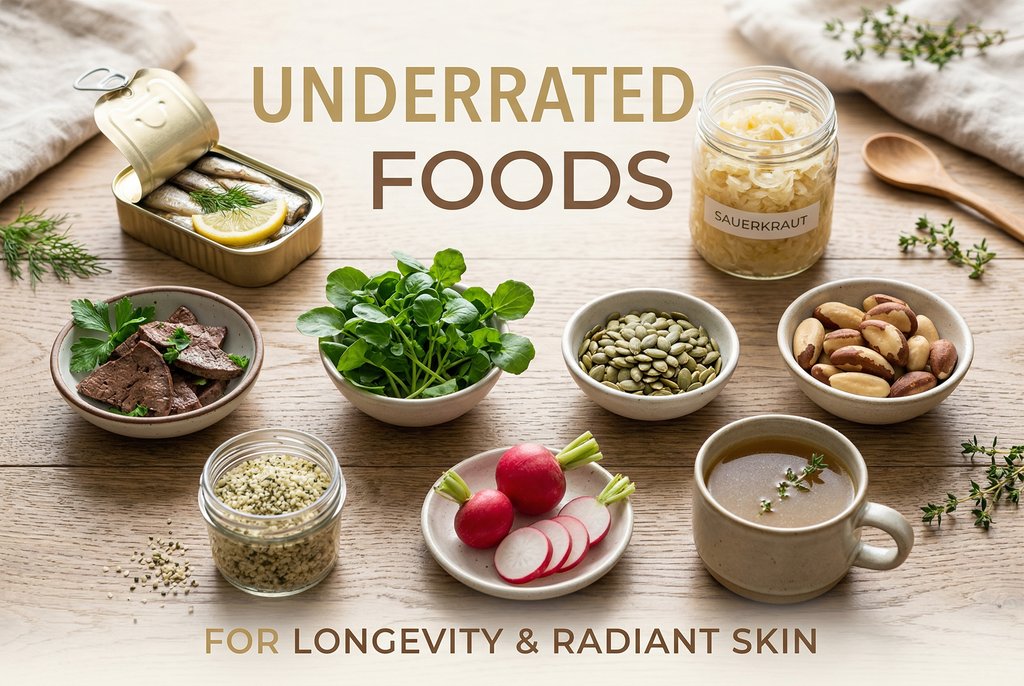
The critical distinction with sauerkraut is pasteurization. Store-bought versions are often heat-treated, which kills the beneficial bacteria. Choose refrigerated, unpasteurized sauerkraut to get the probiotic benefits.
Fresh sauerkraut also provides vitamin C, vitamin K, and fiber — nutrients that work synergistically with probiotics to support overall digestive function.
5. Miso: The Japanese Gut Secret
Miso paste, made from fermented soybeans, contains Aspergillus oryzae — a beneficial fungus rarely found in Western diets. This organism produces enzymes that improve mineral absorption, particularly zinc and iron.
A traditional miso soup provides probiotics alongside essential amino acids and B vitamins. However, high temperatures during cooking can reduce bacterial viability — add miso paste after removing the pot from heat.
6. Tempeh: Protein Meets Probiotics
Tempeh offers a unique combination: 20 grams of complete protein per serving plus naturally occurring B12 from the fermentation process. This makes it particularly valuable for plant-based diets.
7. Kombucha: The Fermented Tea Option
Kombucha contains acetic acid bacteria and beneficial yeasts that produce organic acids and antioxidants during fermentation. However, commercial varieties often have high sugar content — check labels for under 5g per serving.
How to Maximize Probiotic Benefits
Getting the most from probiotic foods requires understanding a few key principles:
- Rotate your sources. Different fermented foods carry different bacterial strains. Eating only yogurt limits your microbial exposure — aim for 3+ probiotic sources weekly.
- Combine with prebiotics. Honey, garlic, onions, and bananas contain prebiotic fibers that feed beneficial bacteria and help them thrive.
- Consume regularly. Probiotics require consistent intake to maintain colony levels. Daily consumption beats occasional large servings.
- Avoid killing the bacteria. Don’t combine probiotic foods with very hot liquids or store them at room temperature for extended periods.
Common Mistakes to Avoid
Many people undermine their probiotic intake through simple errors. Here are the most important ones:
- Buying pasteurized sauerkraut. Heat-killed versions offer zero probiotic value. Always choose refrigerated, raw products.
- Drinking sweetened kombucha. Some brands contain 15g+ sugar per bottle, which can feed harmful bacteria alongside the beneficial ones.
- Taking antibiotics and probiotics simultaneously. Separate intake by at least 2 hours to prevent antibiotics from destroying the probiotic bacteria.
- Expecting overnight results. Gut microbiome changes take 2–4 weeks of consistent dietary modification to become measurable.
Disclaimer: This article is for informational purposes only and is not intended as medical advice. Always consult with a qualified healthcare professional before making changes to your health regimen.
Frequently Asked Questions (FAQ)
What is the best probiotic food for beginners?
Yogurt with live cultures is the easiest entry point. It’s widely available, affordable, and well-tolerated by most people. Start with one serving daily and gradually add other fermented foods like kefir or kimchi as your gut adjusts.
How long does it take for probiotics to improve gut health?
Most people notice digestive improvements within 2–4 weeks of daily probiotic food consumption. Full microbiome diversity changes can take 8–12 weeks. Consistency matters more than quantity — eat probiotic foods daily rather than in large occasional doses.
Can probiotic foods replace supplements?
For general gut health, probiotic foods are often superior to supplements. Whole fermented foods provide bacteria alongside nutrients, enzymes, and fiber that supplements lack. However, people with specific medical conditions may benefit from targeted probiotic strains available only in supplement form.
Are there any side effects of eating too many probiotic foods?
Some people experience temporary bloating or gas when first increasing probiotic intake. This typically resolves within a week as the gut microbiome adjusts. Those with compromised immune systems should consult a doctor before dramatically increasing fermented food consumption.